
Is This Film Based on a True Story?
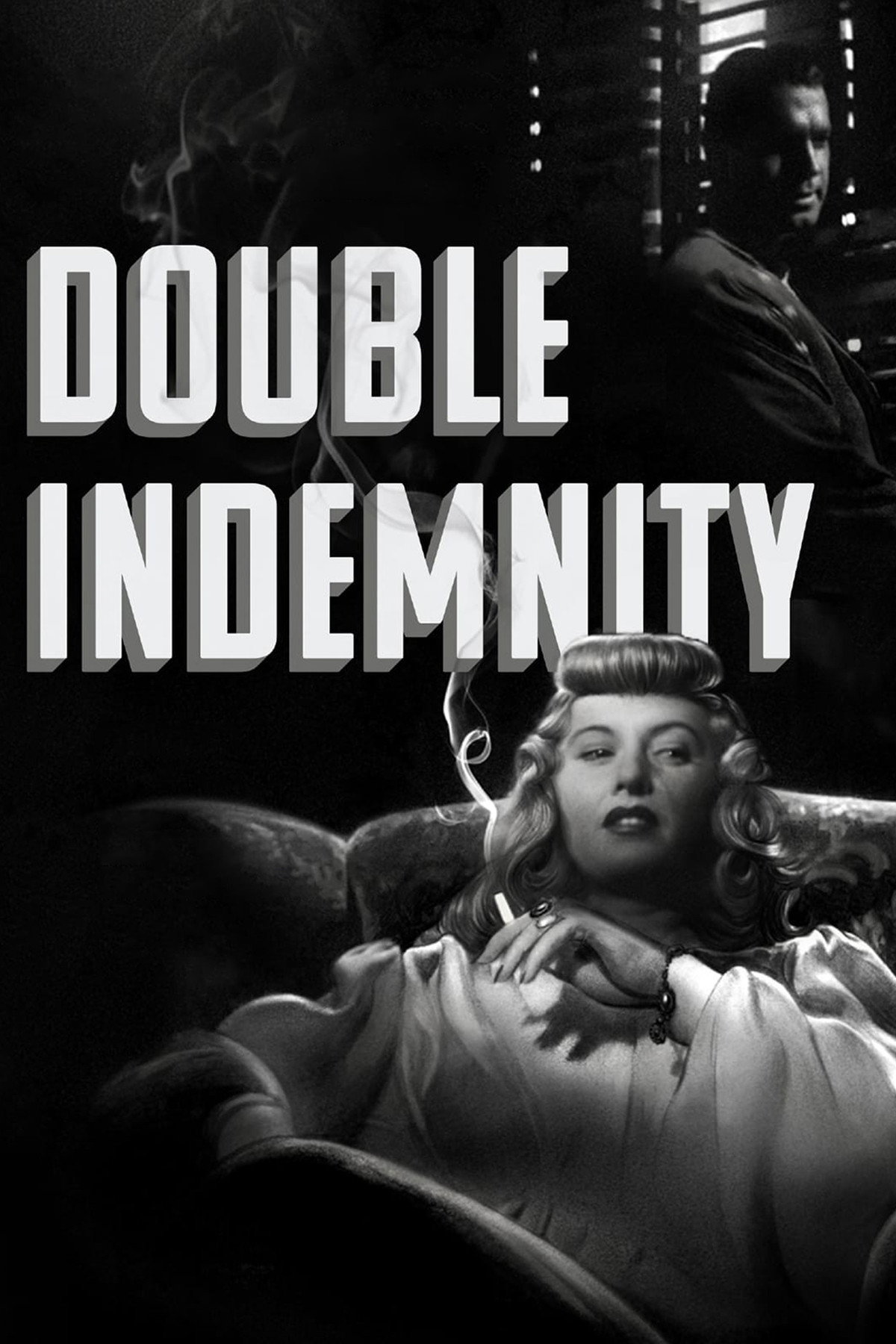
I remember the first time I watched “Double Indemnity” and was utterly swept up in its sharp-edged atmosphere—its cynical repartee, shadows creeping through Venetian blinds, and characters whose morality seemed to crack under pressure. After the credits rolled, I found myself wondering just how tightly tethered this film noir classic was to anything that had happened in real life. To answer the essential question directly: “Double Indemnity” is not a documentary-style retelling of one certain real event, but it does not emerge exclusively from pure invention, either. The movie is primarily based on a novella by James M. Cain, and while the story depicted in the film is fictionalized, it draws unmistakable inspiration from an actual case that unfolded years earlier. For me, this mingling of fact and fiction adds an extra layer of intrigue, especially as I consider just how much of the narrative rests in the shadowy space between truth and invention.
The Real Events or Historical Inspirations
When I dug into the background, I discovered a compelling connection between “Double Indemnity” and one of the most sensational crimes of the early twentieth century: the murder of Albert Snyder in 1927. What fascinates me is that the seed of the story, as conceived by Cain in his novella, is widely acknowledged to be the real-life case of Ruth Snyder and Judd Gray. Ruth Snyder, with the complicity of her lover Gray, murdered her husband for the proceeds of a life insurance policy that included a double indemnity clause—which provided twice the payout if the death was accidental. The case gripped the public imagination not just because of the shocking betrayal but also due to the lurid details and the way the plot unraveled, capturing the press’s every attention-grabbing headline.
This historical crime provided the backbone of the narrative that Cain explored. In my research, I found that the outlines are unmistakable—the wife and her partner conspire to kill for insurance money, plot an “accidental” death, and ultimately face exposure and downfall. It’s clear to me that this true crime story provided not only a plot template but a psychological jumping-off point for Cain, and then for screenwriters Billy Wilder and Raymond Chandler, who later adapted the novella for the film. What makes this connection feel especially relevant is not just the basic facts of the insurance fraud and murder, but the way the public and media reacted: an air of titillation mixed with moral panic, endlessly echoed decades later in the tone of the movie itself.
For me, the resonance between the Snyder-Gray case and “Double Indemnity” deepens my appreciation for the way fiction and reality braid together. It’s not that the film serves as a point-for-point retelling; rather, it uses historical events as a launching pad for a more universal meditation on temptation, guilt, and consequence. The actual court records, newspaper articles, and tabloid speculation about Snyder and Gray’s motivations provide the kind of fertile ground from which Cain’s narrative—and the eventual film—sprang.
What Was Changed or Dramatized
It strikes me every time I revisit “Double Indemnity” that, while rooted in real-world scandal, the story is just as much about what the filmmakers choose to emphasize and invent. One of the major differences between history and the film’s story is character. In real life, Ruth Snyder and Judd Gray were ordinary people: Snyder a Queens housewife, Gray a married corset salesman. They murdered for money, but their scheme was viewed as rather clumsy and desperate. The movie, however, transforms the conspirators into much more glamorous creatures of noir. Barbara Stanwyck’s Phyllis Dietrichson oozes calculated glamour while Fred MacMurray’s Walter Neff is a sharply drawn antihero, tragically self-aware even as he spirals deeper into crime. For me, the shift from the ordinary to the almost mythic amplifies the noir mood—the ache of longing, the fatalistic slide into doom.
The mechanics of the murder, as depicted in the film, are also meticulously plotted compared to the somewhat inept and chaotic events of the Snyder-Gray killing. Snyder and Gray’s murder attempt was distinctly sloppy, whereas in “Double Indemnity,” the crime is perpetrated with chilling precision, and the insurance company’s skepticism is dramatized with far more intensity than reality might have provided. Barton Keyes, played by Edward G. Robinson, becomes a symbol of dogged suspicion and moral clarity, which didn’t correspond quite so neatly to any single real-life investigator. The “double indemnity” clause itself—central to the movie’s suspense—was indeed a real insurance policy feature, but the degree to which it shapes the investigation and subsequent unraveling in the film feels heightened for narrative effect.
There’s also a marked difference in how the story resolves. The aftermath of the Snyder-Gray case included highly publicized trials and executions, with Ruth Snyder becoming the first woman executed in New York’s electric chair in decades. The film veers away from explicit judicial or societal judgment. Instead, it offers a more intimate reckoning: a personal confession and the sense of fate closing in. This may be the ultimate dramatization, in my view—a shift from public spectacle to private damnation, which gives the story its haunting, existential edge.
Historical Accuracy Overview
When I weigh the details as an analyst passionate about adaptation, it’s striking how faithfully certain elements of the film mirror history, while others are rearranged or fictionalized to serve a thematic purpose. The central concept—a murder fueled by the allure of an insurance windfall, abetted by an “accidents only” double indemnity clause—remains true to life. The seductive dynamic between co-conspirators, the plotting of accidental death, and the eventual unraveling all have direct analogs to the Snyder-Gray crime. From my vantage, these parallels are not only factual but also foundational to the impact of the narrative on screen and off.
But accuracy, as I’ve learned, is often selective in a work such as this. The identities, personalities, and even the very competence of the characters are dramatically rewritten: Stanwyck’s Phyllis is both a femme fatale archetype and a singular creation, not a direct portrait of Ruth Snyder. The insurance investigator, Keyes, becomes a robust foil rather than a reflection of a specific detective or adjuster. Even the murder itself, while inspired by actual crime, benefits from a degree of fictional polish; the act is portrayed with cunning and cool deliberation, in contrast to the messy reality of the Snyder/Gray murder scene, which was quickly seen through by authorities due to rudimentary evidence left at the scene.
For me, the greatest departure from historical record is the texture of fate and moral uncertainty that “Double Indemnity” weaves into its story. The real case was resolved with the full apparatus of law—arrest, sensational trial, and execution. In the world of the movie, however, justice is interior; much of the suspense comes not from the mechanics of law enforcement but from the gnawing weight of guilt and fate inexorably drawing shut. This difference, more than any factual liberty with names or specifics, seems most telling to me.
I also note that the time period—Los Angeles in the 1940s, with its smoggy streets and postwar anxiety—gives the film a context all its own, removed in both geography and tone from the New York City suburbia of the Snyder-Gray crime. It’s as if history provided the basic melody, but Cain and the filmmakers composed their own jazz riff atop the familiar chords.
How Knowing the Facts Affects the Viewing Experience
Every time I watch “Double Indemnity” through the lens of its origins, I find my interpretation growing more nuanced. Knowing that the narrative arose from a true crime that gripped the public in the 1920s alters my sense of its suspense and atmosphere. Suddenly, the events on screen aren’t just inevitable machinery rolling toward tragedy; they pulse with the knowledge that such cautionary tales played out not only on paper and celluloid, but in real lives, with all the messy complications and reverberations that history brings. For me, this kind of context doesn’t diminish the stylized artifice of the film—it deepens it, coloring my experience with faint shadows of actual consequence, making the story feel both mythic and pointedly real.
I am struck, too, by how the translation of headline crime into noir fable reframes the audience’s expectations. Knowing the film’s proximity to real murder can heighten the discomfort with which an audience greets Stanwyck’s seduction, MacMurray’s downfall, or Robinson’s dogged pursuit of the truth. I find that this knowledge also encourages a kind of double vision: as a viewer, I oscillate between immersion in narrative suspense and a more distanced reflection on the ways popular culture absorbs, reshapes, or even sanitizes raw historical fact.
What also feels powerful, in my personal response, is the way the film’s treatment of guilt, confession, and fate circles back to the realities of human behavior—the very qualities that make true crime cases like Snyder-Gray resonate over time. As I consider the film’s stylized aesthetics and the language of longing and doom that permeate every frame, I am reminded that these artistic flourishes don’t erase real human motives, but amplify them, giving shape to anxieties that might otherwise be forgotten. For me, understanding the factual background of “Double Indemnity” grounds its melodrama in the bedrock of history, even as it launches into the rarefied territory of classic cinema.
Lastly, I find myself reflecting on how the blurred line between fact and fiction draws me back to the film over and over. The knowledge of its roots—sordid, complicated, undeniably real—serves to underline just how captivating stories of crime and consequence can be, in our collective appetite for both entertainment and truth. Watching “Double Indemnity” while recalling its historical inspiration, I am left with a feeling that the boundaries between art and reality are never truly fixed but negotiated anew with each viewing, each act of remembering, and each turn of the plot.
After learning about the film’s origins, you may want to see how audiences and critics responded.
🎬 Check out today's best-selling movies on Amazon!
View Deals on Amazon