
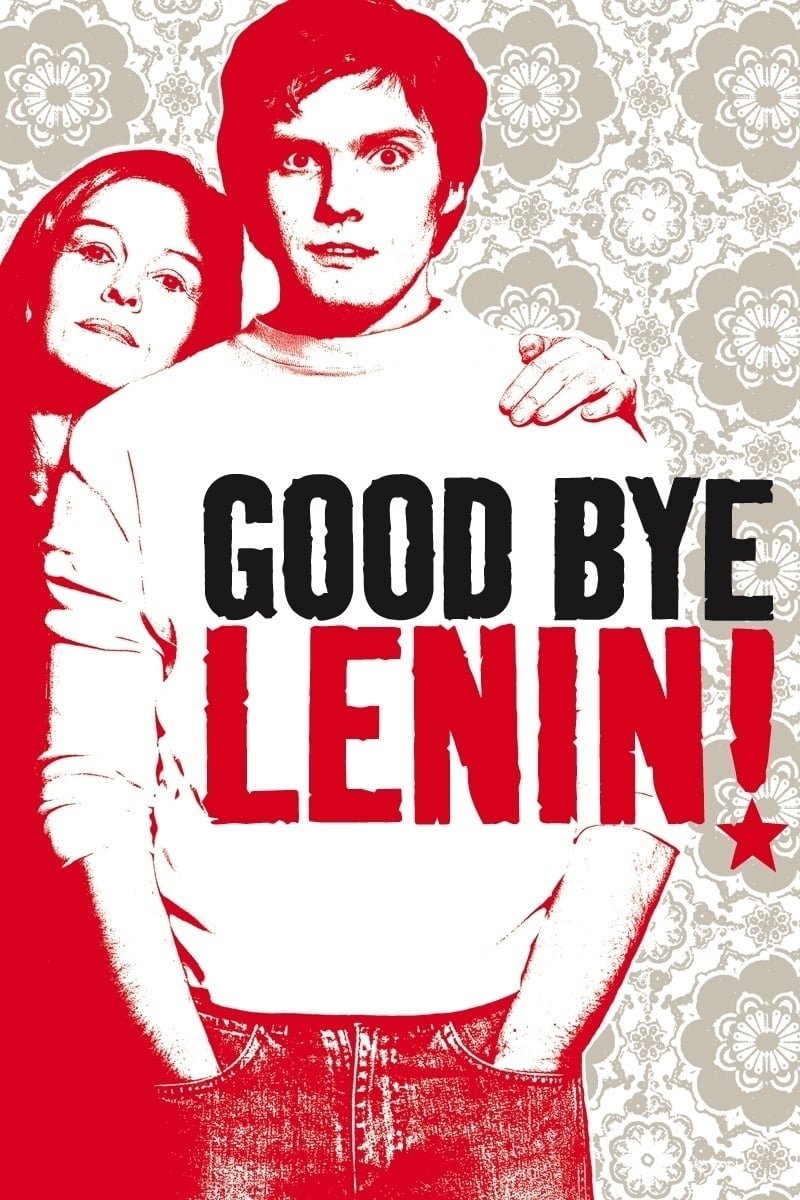
Is This Film Based on a True Story?
When I sat down to watch Good Bye, Lenin! for the first time, I found myself drawn in by its blend of comedy, nostalgia, and personal drama all set against the backdrop of a crumbling East Germany. But as someone deeply invested in the truth behind cinema, I wanted to know: was this extraordinary family story drawn from the annals of real life, or did it spring fully formed from a writer’s imagination? From everything I’ve discovered, Good Bye, Lenin! is firmly a work of fiction. The film is not directly based on a true story, nor does it attempt to portray any specific, documented family or individual. What it does do—quite powerfully, in my experience—is tap into the genuine historical context of the fall of the Berlin Wall and the societal upheaval that followed the collapse of the German Democratic Republic (GDR). Its inspiration is undeniably rooted in a real period, but the characters’ experiences are inventions designed to illuminate those larger truths. For me, this blurring of truth and fiction made for a unique viewing experience because while the narrative itself is imagined, the world in which these events allegedly unfold is painstakingly authentic to a pivotal era of German history.
The Real Events or Historical Inspirations
As I dug deeper, it became clear to me that Good Bye, Lenin! uses its fictional family to channel the emotional reality of the German reunification period. I sense that the story isn’t autobiographical for director Wolfgang Becker or his co-writer Bernd Lichtenberg, but rather, it is heavily shaped by the cultural and political climate of East Germany during the late 1980s and early 1990s. What I find most remarkable is how the film utilizes bona fide historical phenomena as its canvas: the peaceful revolution that led to the fall of the Berlin Wall in 1989, the acceleration of reunification, and the rapid disappearance of East German customs, products, and ideologies. My own understanding is that, while the protagonist’s elaborate ruse to protect his mother is fictional, the anxiety and confusion that flooded GDR homes at the time is drawn from the lived reality of millions.
For me, the strongest sense of historical inspiration comes from the wave of “Ostalgie”—a term Germans coined for the nostalgia many easterners felt after the old order vanished almost overnight. As people scrambled to adjust, many, especially the older generation, experienced an intense sense of loss and disorientation. I believe the character of Christiane, devoted to socialist ideals and shell-shocked by rapid change, stands in for countless East Germans who watched their entire worldview evaporate in less than a year. There’s a deliberate echo of documented social phenomena: the replacement of familiar Trabant cars with Western vehicles, or the way iconic East German brands and foods disappeared, fueling both culture shock and sentimental longing. I noticed how the film even makes use of specific archival footage and 1989 news broadcasts, grounding the story in very tangible events.
However, as far as I could find, there are no publicized sources, interviews, or articles indicating that Good Bye, Lenin! is inspired by a particular memoir or set of real individuals. Instead, it is informed by a collective memory—an imaginative but sincere attempt to reflect the emotional and psychological tumult that Germans experienced during reunification. I find it a fascinating approach, blending the specificity of a real historical moment with an invented personal drama.
What Was Changed or Dramatized
The distinctiveness of Good Bye, Lenin!, in my view, lies in how it reshapes reality to highlight emotional truths. The most obvious invention, as I see it, is the central conceit: a young man recreating an entire lost nation inside a single apartment. The effort to insulate his mother from a transformed world by rigging TV broadcasts, tracking down old groceries, and fabricating news reports is, to my knowledge, uniquely creative fiction. There’s no evidence that anyone attempted such an elaborate subterfuge to preserve a loved one’s worldview during reunification. If anything, it’s an exaggerated metaphor for the coping mechanisms families may have actually used—small gestures, gentle lies, or clinging to familiar routines to buffer loved ones from overwhelming change.
I have noticed that the film also amplifies certain social realities for thematic or narrative effect. The profound erosion of East German identity and the “invasion” of Western culture are depicted in ways that sharpen the sense of rupture—sometimes more dramatically than widely reported in archived oral histories. For instance, while it’s true that many East German products vanished in the wake of reunification, the desperate quest for Spreewald gherkins or the absolute uniformity of change the film presents is more symbolic than statistically representative. Actual adjustment periods, I’ve read, varied greatly based on geography, age, and personal disposition.
Another aspect I find markedly dramatized is the tightrope act the family sustains over many months. Realistically, such a comprehensive deception—enlisting children, neighbors, and even rogue amateur filmmakers—strays far into creative license. My impression is that, while the political backdrop is rigorously anchored in history, the protagonist’s journey, his relationship to his sister and mother, and the specific unfolding of events are all recalibrated for maximum narrative resonance rather than strict verisimilitude. The raw emotional reactions, on the other hand, feel indebted to genuine oral testimony and social science research from the era.
Historical Accuracy Overview
Assessing the film’s fidelity to history has always been a fascinating exercise for me. The macro events—the demonstrations, the border openings, and the visual details of GDR life—are presented with significant accuracy. I recognized references to well-documented protests in Leipzig, the mounting anticipation and confusion before the Wall fell, and the details of East German daily life, from state-run TV programming to the ubiquitous Trabant cars. The filmmakers go to great lengths, in my opinion, to meticulously reconstruct the feel of East Berlin during its waning days, using actual period décor, clothing styles, and real archival media to immerse viewers in the period. I found the range of products, commercial signage, and political slogans featured in the set design to correspond with photographic evidence and museum displays from the time.
However, I observe that where the film diverges from pure historical accuracy is in its micro-level storytelling—the family saga at the center. The elaborate deception constructed by Alex, and the logistics required to keep his mother in the dark about the seismic changes outside their walls, are highly romanticized. The emotional arc of Christiane, her eventual awakening to the new reality, and the many coincidences and near-reveals that provide comedic tension, are shaped for the sake of narrative unity. The documentary evidence I’ve consulted—whether interviews with historians or oral histories from former GDR citizens—makes it clear that while displacement and anxiety were rampant, a real attempt to “preserve” the GDR in this hermetic, cinematic way is a fiction.
On the other hand, the film’s depiction of psychological and cultural shock aligns closely with what I have read in sociological studies. For example, the sense of bewilderment and loss experienced by the elderly, or the attitudes of younger generations who are more likely to embrace Westernization, correspond to patterns seen in contemporary interviews and memoirs. There is accuracy in the emotional responses, even if the narrative structure is stylized. I am continually impressed by how the film manages to evoke specific truths, such as the ambivalent legacy of the GDR, the double-edged sword of reunification, and the sometimes surreal experience of watching one world vanish overnight, all while remaining honest that it is not a literal chronicle of any one person or family.
How Knowing the Facts Affects the Viewing Experience
Understanding the relationship between fact and invention in Good Bye, Lenin! has significantly shaped how I interact with the film as a viewer. Realizing that, while not a textbook case study, it is a carefully crafted meditation on a historical moment, I am more attuned to the symbolic meaning behind the comedy and drama. Instead of looking for direct one-to-one correspondences to real people, I find myself reflecting on how millions of Germans—each with their own stories—grappled with seismic social change. The creative liberties taken with the plot invite me to see the film as a fable rather than reportage, a lens through which to access deeper emotional truths about memory, adaptation, and loss.
For me, this context changes my expectations: I don’t watch looking for points of inaccuracy or “errors,” but rather for insight into the mood and mindset of East Germans at the time. The fictional scenario feels like an allegory for the lengths people will go to preserve a sense of continuity for those they love, and how nostalgia can be both comforting and confining. By knowing that the film’s central premise is invented but its background rigorously researched, I am free to enjoy the humor and poignancy without feeling betrayed by artistic license. My experience is one of appreciation for the evocative power of fiction rooted in truth: how a story that never happened can nonetheless capture the spirit of a time and a people in a way statistics or newsreels can’t.
There’s also an added dimension for me in understanding how the film fits into ongoing debates within Germany itself about how to remember and interpret the GDR. I see the playful, affectionate reconstruction of East German life as more than nostalgia; it’s a commentary, through fiction, about the complexity of reunification and the legacy of a disappeared country. The fact that these are invented characters allows the filmmakers—and viewers like myself—to probe uncomfortable questions: how do societies heal after division? What do we owe to the disappeared past, and how do we choose which memories to preserve?
I’ve found that sharing this knowledge with others enhances discussion, keeping the focus less on whether the scenario “really happened” and more on what truths the film evokes. In conversations after the credits have rolled, the talk drifts toward memories, histories, and the layers of identity that the fall of the Berlin Wall set in motion—rather than critiques of the plot’s plausibility. Knowing where the film diverges from documentary fact enables me to see it as an act of cultural remembrance, a creative homage to a pivotal moment, and a testament to the enduring power of narrative art. That, for me, is the true value in understanding what is fact and what is fiction in Good Bye, Lenin!.
After learning about the film’s origins, you may want to see how audiences and critics responded.
🎬 Check out today's best-selling movies on Amazon!
View Deals on Amazon