
Is This Film Based on a True Story?
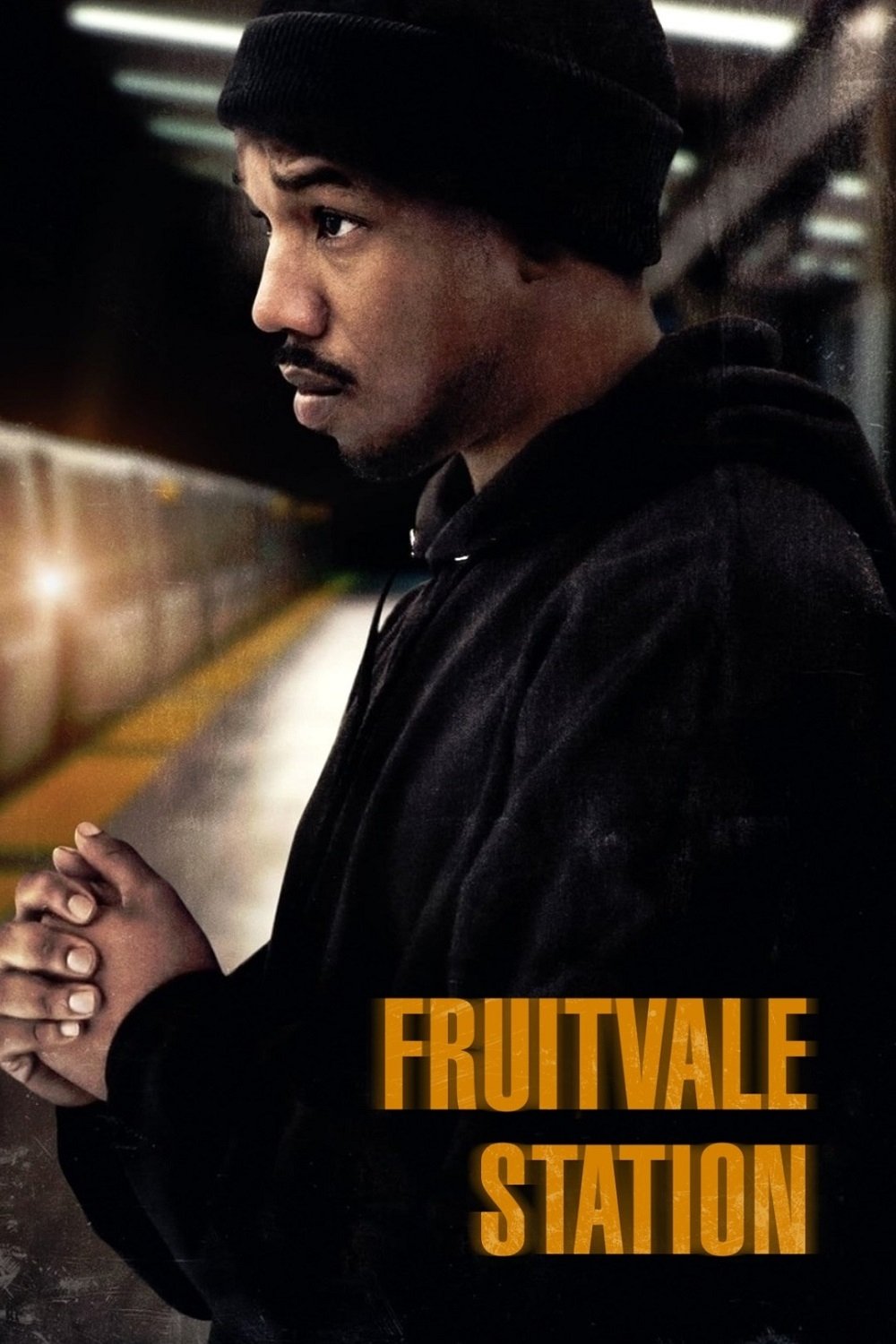
As soon as I watched the opening moments of “Fruitvale Station,” it struck me that this was not a work of pure imagination or stylized fiction. My experience digging into its origins confirmed that the film is rooted directly in true, documented events. The story closely follows the final day in the life of Oscar Grant III, a young Black man whose death at the hands of a Bay Area Rapid Transit (BART) police officer became a rallying point for national conversations about police use of force. I found that “Fruitvale Station” is not just inspired by real events; it is meticulously based on them, right down to the names, locations, and the specific incident at the heart of its narrative. However, even a film so firmly staked to reality must navigate the tricky terrain between fact and dramatization, especially when reconstructing the intimate moments of a real person’s last day. That balance—between documentary exactness and the emotional truths of cinematic storytelling—became clear as I compared the film against historical records.
The Real Events or Historical Inspirations
For me, the resonance of “Fruitvale Station” became undeniable as I explored the actual tragedy of Oscar Grant III. The facts are, unfortunately, all too clear: In the early hours of January 1, 2009, Oscar Grant was shot in the back by then-BART police officer Johannes Mehserle at the Fruitvale BART station in Oakland, California. This incident was not only widely publicized but captured in multiple cell phone videos by fellow train passengers. I couldn’t help but note that these primary-source videos—graphic and raw—became pivotal not only for news cycles but for the subsequent investigation, public debate, and ultimately, the film itself, which begins with real footage of the actual event.
What I found remarkable was how closely the film aligns itself with the documented events of that night. The legal proceedings that followed, the public protests, and the heated discussions about race and authority in America were very much based on what really happened. I discovered that “Fruitvale Station” uses the real names of the main individuals involved: Oscar Grant, his girlfriend Sophina Mesa, his mother Wanda Johnson, and even Officer Mehserle. The accuracy of dates, settings, and the context of New Year’s Eve 2008 are all drawn from news reports, court transcripts, and statements from Oscar’s friends, family, and witnesses present at the station. That adherence to detail gave me a sense that the film intends to do more than just dramatize; it tries to memorialize.
If there was any doubt about the factual foundation, I looked to interviews with people who knew Oscar. Many confirmed that key episodes in the film—scenes involving his mother, his girlfriend, his daughter, and even ordinary moments like shopping or joking with friends—were based on recollections shared with the filmmakers. It became clear to me that “Fruitvale Station” is constructed from a composite of real encounters, legal briefs, and the firsthand accounts of those closest to Oscar. Documents from the official investigation and volumes of media coverage hover in the background, shaping almost every narrative choice made.
What Was Changed or Dramatized
Despite its foundation in documented history, I recognized that “Fruitvale Station” is not a minute-by-minute re-enactment. The need to compress events, illuminate themes, and create an emotional throughline clearly required some creative liberties. As I compared the film’s scenes with transcripts and press accounts, several dramatizations stood out, reminding me that almost any historical drama faces these same compromises.
One area where the film diverges from strict documentation is in the recreation of Oscar’s final day. Since much of what Oscar did on December 31, 2008, wasn’t captured on camera or in writing, some events are reconstructed from interviews and others are dramatized based on likely routines and emotional truth. For example, the scene where Oscar helps a sympathetic stranger at a grocery store—assisting a woman with her fish-fry dilemma—became one of the film’s most tender moments, yet this incident has no confirmed basis in witness statements or existing records. From my perspective, it seems designed to give Oscar dimension beyond the headlines, though it bends reality by necessity.
I also noticed that the dialogue and emotional exchanges between Oscar and his loved ones reflect both specificity and creative extrapolation. The filmmakers drew from remembered conversations and the impressions of his friends and family, but these words are not verbatim transcripts. I sensed an attempt to fill gaps in the historical record with scenes that feel emotionally honest, even if the specifics were imagined. For example, the film presents Oscar’s struggle with his past criminal record and his relationships in a way that is informed by interviews but shaped into narrative arcs for dramatic effectiveness.
I found the depiction of the shooting itself to be extremely faithful in its broad outlines, but the decision to focus intimately on Oscar’s perspective—seeing the chaos and fear from his eyes—struck me as both a faithful recreation and an artistic choice. Eyewitness testimonies and multiple video recordings confirm the chaos, but small details—who was standing where and what exactly was said—had to be reconstructed and, at times, staged for the camera. The film’s timeline also consolidates some prior events into Oscar’s final day (such as phone conversations or interactions with acquaintances), glossing over exactly when and how they happened in favor of narrative flow.
One striking dramatization that caught my attention was the inclusion of a scene involving Oscar’s concern about his future, hinting at major life changes. While Oscar’s loved ones have spoken about his desire to improve his situation, the particular conversations and epiphanies depicted are informed guesswork, meant to humanize and contextualize rather than to serve as direct records. In short, the creators located emotional authenticity within the constraints of historical uncertainty. This blend makes the story compelling but ensures it cannot be treated as a literal timestamped account.
Historical Accuracy Overview
The interplay between scrupulous fact and cinematic invention is something I keep coming back to when revisiting “Fruitvale Station.” After weighing news sources, the trial of Johannes Mehserle, and the public reactions that followed, it’s clear to me that the film remains broadly accurate on all essential points relating to the shooting itself. The timeline of the initial confrontation, the escalation at the Fruitvale platform, and the tragic consequences mirror those found in video evidence and eyewitness testimony.
For the core incident—the shooting—my research shows a near documentarian approach. Both the physical positioning of those involved and the brutal suddenness of the gunshot are supported by videos, police accounts, and legal findings. Even the aftermath as presented, including the reactions of the surrounding crowd and the frantic impulse to record events, matches the vividness of the actual footage that surfaced in the days after. There is no creative restructuring or attempt to soften the facts in these climactic scenes.
Where the film drifts further from historical precision is in the peripheral, personal moments. I noted that Oscar’s family life and social interactions throughout his last day must, by necessity, be imagined to some degree. These moments are blended from interviews given by his close circle, memories filtered through grief, and cultural context of the time. That said, the major beats—his relationships, his employment challenges, his desire for renewal—reflect what those closest to him described. The movie’s technical accuracy is mixed with elements that fill narrative gaps using emotional logic more than verifiable fact.
I also considered how the film addresses Oscar’s prior legal troubles, his attempt to find stability, and his struggle with the choices he had made. These were referenced frequently in news stories and interviews, so the general contours are supportable. The details of conversations, precise timelines, and minor incidents are dramatized rather than strictly verified. By highlighting these specifics, the filmmakers give Oscar depth, though they inevitably introduce personal interpretation into the record.
When it comes to the depiction of public response, I was struck by how carefully “Fruitvale Station” calibrates its focus. The large-scale protests and public anger following Oscar’s death are only glimpsed or alluded to. The movie ends before the full legal aftermath and public unrest, which were major parts of the actual story as it played out in media and Oakland communities. This choice places the weight on Oscar’s personal experience rather than the larger societal repercussions, something that is accurate in spirit but not exhaustive in scope. That selective lens shapes the film’s historical footprint as much as its fidelity to detail.
How Knowing the Facts Affects the Viewing Experience
I find that my emotional response to “Fruitvale Station” is invariably colored by my understanding of the facts—the context, the aftermath, the heartbreak. Watching the film with knowledge of the cell phone videos and the extensive real-world coverage, I become acutely aware of the difference between observing a tragedy as a news item and experiencing it as a series of lived moments. Knowing how closely the depiction of Oscar’s final day matches the documentation of his death creates a sense of immediacy; it’s less “watching a movie” and more bearing witness to a painful chapter in contemporary American history.
At the same time, being familiar with the ways “Fruitvale Station” supplements the historical record with dramatized interactions alters my perception of the characters. I view Oscar not just as a victim but as a fully rendered person—a father, partner, and son whose personality is reconstructed out of both memory and creative inference. The knowledge that certain scenes (like the grocery store kindness) aren’t confirmed history nudges me toward seeing them as a tribute to the complexity of Oscar’s life rather than irrefutable fact. That awareness draws me closer to the intentions behind the film—memorializing a person who was, for many, more than a media headline—and it brings a deeper poignancy to his final hours.
One thing that stands out for me is how understanding the documentary roots of the film magnifies both its power and its limitations. The moments captured in video—chaotic, fragmentary, and raw—are brought to life with clarity, making the film an evocative record of real-world injustice. But the dramatized interiority—Oscar’s hopes, regrets, and perhaps-unspoken words—remind me that the camera cannot record everything. The empathy the film elicits is, in part, built on these creative choices. Knowing where fact ends and interpretation begins offers me a more nuanced engagement; I am able to hold the truth of Oscar’s fate and the artistry of his portrayal in tandem, neither dismissing the verifiable record nor minimizing the film’s emotional reach.
Ultimately, for viewers like me who arrive with knowledge of Oscar Grant’s story, the emotional resonance is heightened by that proximity to reality. The familiarity with the aftermath—the trial, the protests, and the ongoing dialogue about police conduct—overshadows every frame. Conversely, for those unfamiliar with the case, the faithfulness to real events can inspire further exploration, pushing viewers to seek out the news archives, video evidence, and personal accounts that shaped the film’s creation. Either way, “Fruitvale Station” operates as more than a movie; it becomes, in my experience, part of the public memory of a moment that continues to reverberate.
After learning about the film’s origins, you may want to see how audiences and critics responded.
🎬 Check out today's best-selling movies on Amazon!
View Deals on Amazon