
Is This Film Based on a True Story?
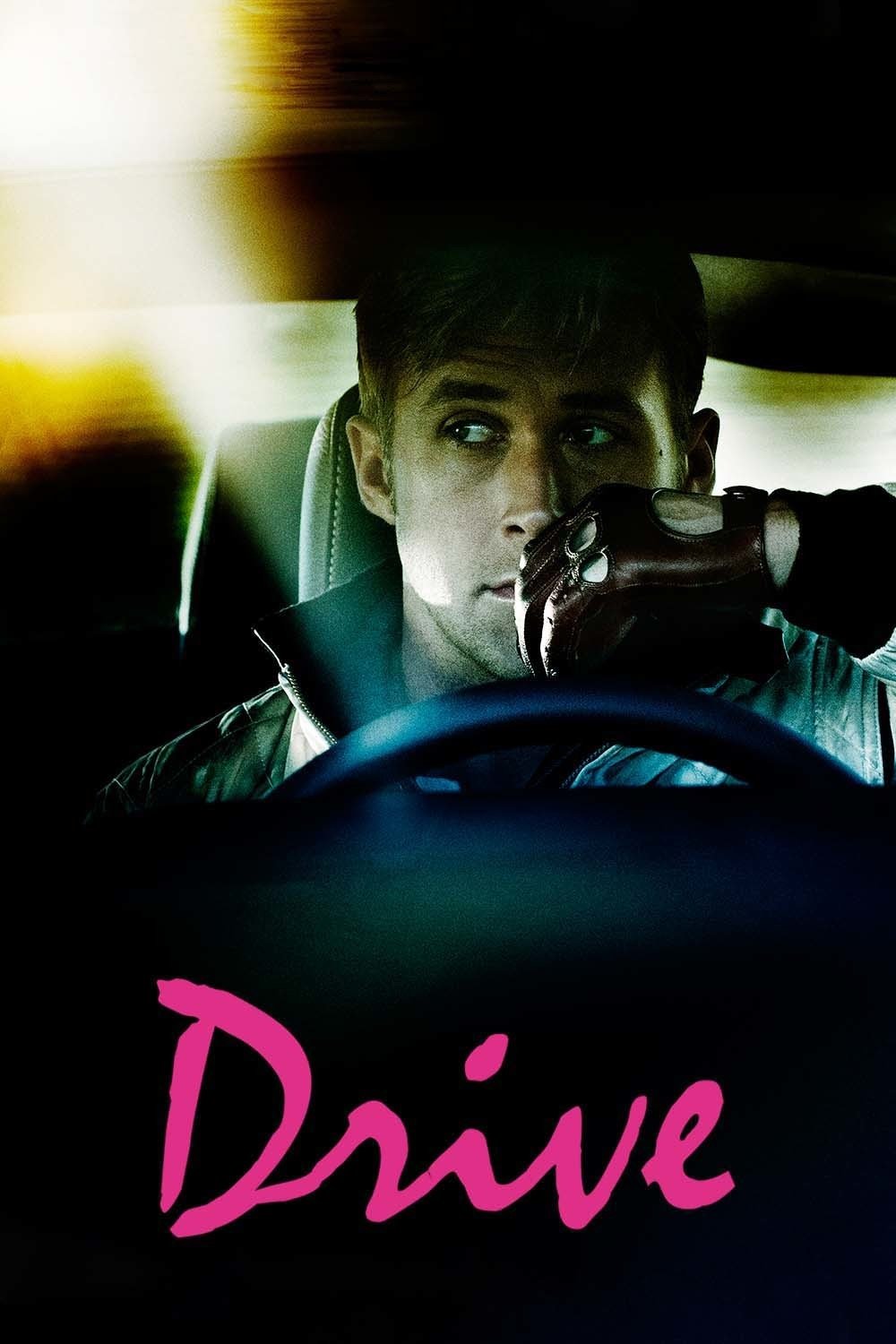
For me, the question of whether “Drive” is based on a true story initially created a sense of intrigue, especially considering how grounded and visceral the film feels. However, after diving into its origins, I can say with certainty that “Drive” (2011) is not based on real events or people. It is entirely fictional, drawing instead from a 2005 novel of the same name by James Sallis. I did not find any claims or evidence suggesting the characters, plotlines, or major incidents are rooted in actual historical events or individuals. The film presents a stylized, atmospheric story centered on a mysterious driver, but the narrative—the people, the heists, the relationships—originates purely from creative invention and literary inspiration. As I watched and researched, any sense of realism for me came from the film’s style rather than its fidelity to truth.
The Real Events or Historical Inspirations
When I looked for real-world inspirations behind “Drive,” I quickly realized that the film’s DNA lies firmly in fiction and genre tradition rather than biography or documented reality. The primary source is James Sallis’s novel, which itself is a work of crime fiction, not non-fiction reportage. As such, neither the book nor the film draws directly from real-life figures, historical heists, or documented cases.
But I did notice that “Drive” channels certain cultural and cinematic traditions. In my research, I found that the story inhabits the legacy of neo-noir crime cinema, as well as the archetype of the lone antihero that’s haunted American storytelling well before this film. There are echoes of real subcultures—the Los Angeles car scene, the world of professional stunt driving, and the mythology of the getaway driver—but these influences are more about vibe and aesthetic rather than specific people or incidents. If there’s any “real” foundation, it’s the general existence of Hollywood’s stunt community and the history of criminal enterprises in urban America. Still, I cannot locate a single real-world person or event that sparked this narrative; the originality of the work is, for me, part of its allure.
Additionally, the director, Nicolas Winding Refn, and writer Hossein Amini have both pointed out their homage to cinematic predecessors, such as Walter Hill’s “The Driver” (1978) or Michael Mann’s “Thief” (1981). To my mind, these are points of stylistic or thematic inspiration rather than real-life sources. These films, like “Drive,” exist in heightened, almost mythic versions of criminal underworlds, not direct docudramas or adaptations of true crime. When I think about “Drive” in the broader tapestry of genre films, I appreciate how it borrows the atmosphere of urban L.A. and the energy of car culture—but always as a fictionalized, stylized construct. No actual “Driver” ever prowled the streets in this fashion.
What Was Changed or Dramatized
Since “Drive” stems from a novel and not real life, it’s more accurate for me to look at how the film altered or dramatized elements from its literary source and the genre conventions it embraces. What stood out as I compared film and text was how the movie refines, simplifies, and intensifies aspects of the story to fit its cinematic goals.
For instance, I noticed that the film omits large portions of the character’s backstory provided in the novel. In James Sallis’s book, there’s much more detail about the Driver’s upbringing, his troubled childhood, and the formation of his skills and philosophy. The film, on the other hand, presents the Driver as almost mythic—he’s a man of few words, whose motivations and past are left mysterious. This choice strips away psychological exposition and lets me project my own ideas onto him, heightening the character’s enigmatic presence.
The narrative structure also receives significant streamlining. While the book employs a non-linear, vignette-driven approach, the film rearranges and condenses events for clarity and dramatic impact. I observed, for example, that the chronology of the heist gone wrong and the subsequent fallout is rendered much more directly in the movie, ratcheting up the tension and emotional stakes minute by minute. Relationships, particularly between the Driver and Irene, are intensified and made more central to the narrative, giving the story a delicate undercurrent of human vulnerability and longing that’s less pronounced in the novel.
Visual and thematic stylization is another area where the film diverges from ordinary if not strictly “real” life. I find that the film’s color palette, soundtrack, and prolonged silences all serve to heighten emotion and suspense; these choices are not meant to capture the literal, logistical details of organized crime or stunt driving as one might find in a documentary. Instead, they dramatize the inner world of the characters, creating an experience that’s aesthetically heightened compared to any realistic representation I might expect from a true story adaptation.
In short, every element—from car chases to criminal exploits—strikes me as being designed for maximum cinematic effect, shaped more by the needs of the story and atmosphere than by any attempt to mirror actual events or people. Every deviation, omission, or embellishment seems calculated for style, not historical or procedural fidelity.
Historical Accuracy Overview
Reflecting on the movie’s relationship to real events or “accuracy,” I found myself separating two questions: is it accurate to the book, and is it accurate to the real world? My answer for the second is clear—”Drive” does not engage with actual history, so the notion of historical accuracy does not really apply. All the main plot points, characters, and criminal machinations are completely imagined; there is no evidence that such a sequence of events unfolded in Los Angeles or anywhere else involving a driver-for-hire with a double life as a stuntman and a getaway man.
That said, when I look at the portrayal of certain professions or urban environments, I do see some aspects presented in ways that reflect real subcultures, if only in broad strokes. The film’s depiction of the stunt driving world includes, for example, vehicles, techniques, and attitudes that reflect research into the technical craft of car stunts and the culture among drivers in Hollywood. There are moments, such as the way the Driver modifies cars or scopes out escape routes, that have a ring of plausibility; those are grounded details, but they remain divorced from any real, documented criminal cases or publicized events involving such a figure.
The criminal elements—the mob interactions, violent retribution, and convoluted heists—are much more in line with genre archetypes than any historically verifiable phenomena. For me, this places the film squarely in a tradition of crime fiction that borrows the atmosphere of real danger rather than precise historical details. Even the Los Angeles setting, with its cityscape and neon-lit night streets, is presented as an almost mythological version of the city, stripped of specific time, place, or headline events. In my experience, the mood and texture of the city felt true to what I know of L.A., but the events are entirely fabricated. No official records, criminal cases, or biographies echo the story told here.
On the whole, if someone were to look for truth claims or historical references in “Drive,” they would find none—aside from the tangential echoes of real-world professions (stunt drivers, mechanics, petty criminals, mobsters) that are universal rather than specific. The accuracy on display is atmospheric and professional, not historical or factual.
How Knowing the Facts Affects the Viewing Experience
For me, realizing that “Drive” is a work of pure fiction liberates the film from the usual pressures of historical fidelity or biographical faithfulness. Because the story is an original construction—with roots in a novel and shaped by cinematic convention—I found myself freed from the obligation to reconcile the events or characters with real-life context. That freedom lets me experience the film as a kind of dream or emotional statement, not a record of true events.
Knowing there is no “real” Driver or specific true crime behind the story, I focused more on the film’s style, mood, and the psychological undertones of its central figures. I didn’t watch “Drive” to spot where it might deviate from public record or respond to controversies about accuracy. Instead, every exaggerated shot of a car racing down a sunlit boulevard or every wordless exchange between characters became, for me, a meditation on solitude, violence, and connection in an imagined world. It’s as if the absence of real-world ties magnifies the film’s universal resonance; the story becomes symbolic, almost mythic, rather than tethered to a single lifetime or moment in history.
This understanding also shaped my expectations. I wasn’t waiting for historical nods or period-specific references. The pleasure I took from the film came from the tension of not knowing where the story would lead, since it wasn’t beholden to an actual ending or outcome. I could appreciate the heightened aesthetic choices—the synth-heavy soundtrack, the striking costume details, the painterly cinematography—without worrying about their literal truthfulness.
At the same time, knowing the film’s fictional status also highlighted for me the ways it borrows from the collective memory of certain kinds of stories—crime films, noir, and the mythology of the lone hero. Recognizing these threads helped me connect “Drive” to a broader tradition while appreciating its unique variations. The anonymity of the Driver, for instance, speaks to a broader, almost archetypal sense of alienation and longing, themes that resonate regardless of whether there’s a true story at the base.
Ultimately, the film’s lack of historical origin was, for me, an invitation rather than a limitation. It pushed me to engage with the emotions, the style, and the moral ambiguity of its world on its own terms. For viewers who care deeply about the line between fact and fiction, knowing “Drive” is an original invention might shift their focus from fact-checking to savoring the film’s artistry, suspense, and existential undertones. It taught me that sometimes the strongest cinematic experiences emerge not from documented truth, but from the assured construction of a fictional universe that feels, paradoxically, authentic in its own way.
After learning about the film’s origins, you may want to see how audiences and critics responded.
🎬 Check out today's best-selling movies on Amazon!
View Deals on Amazon