
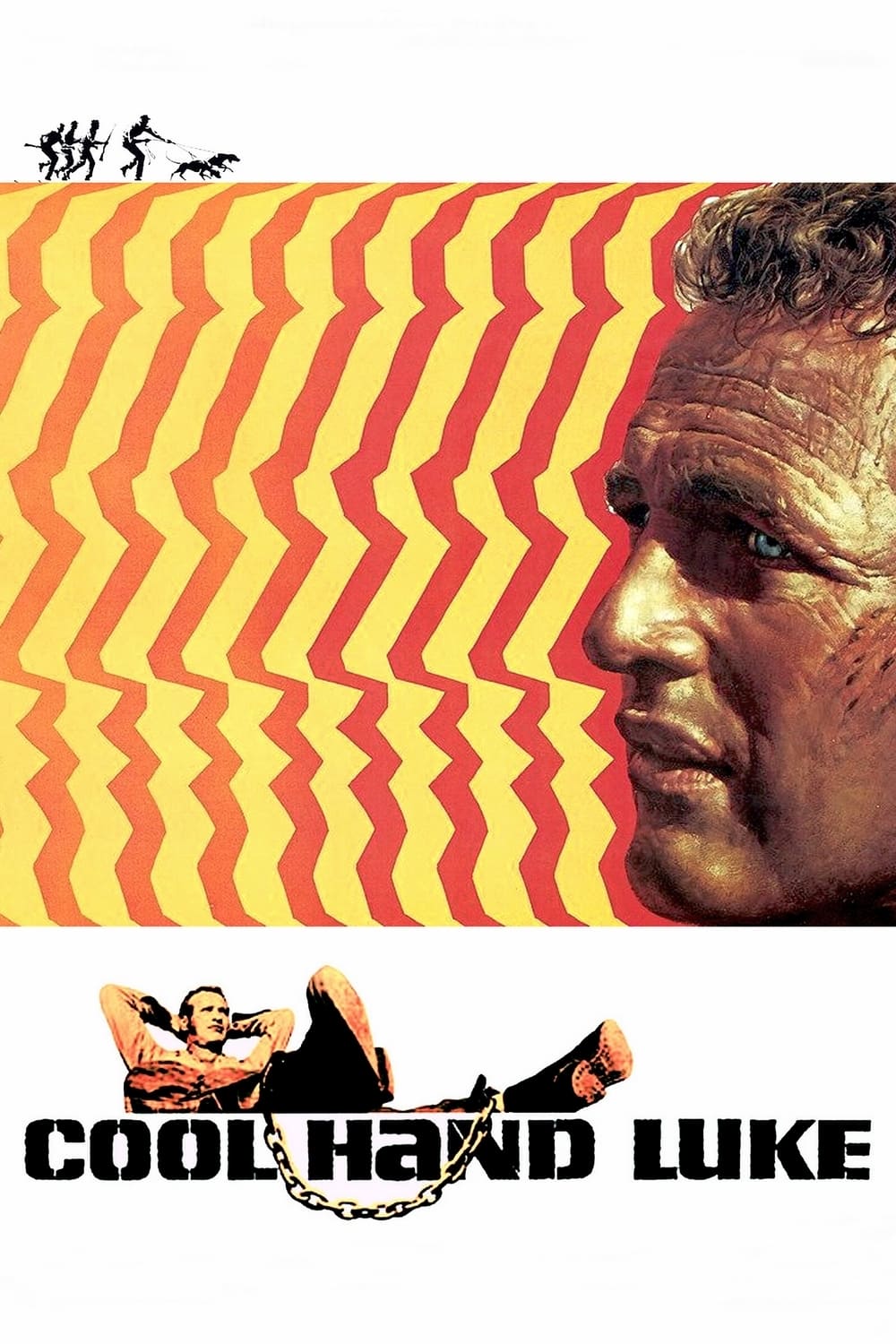
Is This Film Based on a True Story?
Every time I revisit “Cool Hand Luke,” I find myself grappling with the boundaries between fiction and lived experience. While many classic films from the 1960s cling closely to historical events or real biographies, I’ve discovered that “Cool Hand Luke” occupies a very different space. It is not rooted in an actual, documented person’s life, nor does it directly chronicle a widely recognized incident. Instead, from all the research and firsthand accounts I’ve encountered, the film is best characterized as a work of fiction—yet not one spun blindly from whole cloth. The seeds of “Cool Hand Luke” are planted in lived experience, because its source novel was shaped by the memories and observations of its author, Donn Pearce, who drew inspiration from his time spent in a Florida prison road gang. I wouldn’t call the story a record of a true event, but I also can’t categorize it as pure fantasy. The nuances of prison culture, the psychological tolls of incarceration, and the slow grind of institutional discipline reflected in the film all sprang from a reality Pearce lived, witnessed, and interpreted. So, while “Cool Hand Luke” doesn’t depict a historical event, individual, or widely reported occurrence, it stands as a highly evocative fictional account, with roots in authentic, firsthand observation.
The Real Events or Historical Inspirations
The deeper I dig into the origins of “Cool Hand Luke,” the more I’m reminded how firmly grounded it is in the lived memories of its novelist, Donn Pearce. My research led me to Pearce’s life story: he served time on a southern chain gang in the 1940s, having been convicted for burglary and safecracking in Florida. Those months of hard labor and oppressive heat became the crucible from which the world of “Cool Hand Luke” was forged. Pearce’s novel, published in 1965, presents a protagonist and ensemble cast that draws extensively on the people he met and the social dynamics he observed during incarceration. The character “Luke” isn’t a one-to-one stand-in for Pearce or for any single prisoner, but instead represents a composite—a blend of rebellious spirits, institutional survivors, and outspoken individuals Pearce observed behind the fences. The novel’s setting, the Florida prison system of the post-war era, is distinct not only for its relentless physical labor—cutting weeds, laying asphalt, swinging a sledgehammer by the roadside—but also for the rigid routines and unpredictable indignities that defined daily survival. As I pore over interviews with Pearce, it becomes even clearer that the infamous “failure to communicate” mentality is less a record of a historical fact, and more a reflection of a psychological atmosphere: Pearce wanted to encapsulate the chasm between those holding power within the system and those condemned to live within it.
Parallel to Pearce’s firsthand knowledge, I see echoes of even broader prison traditions—stories of stoic resistance, myths of escape artists, and folk tales of nonconformists dating back to the chain gangs of the American South. Luke’s bouts of defiance and his unyielding morale in the face of relentless discipline ring as authentic because Pearce wasn’t simply borrowing details; he was channeling the memoryscape of a time, place, and culture that shaped him. These days, when I reread the book, I notice the way Pearce renders conversations, daily routines, and coded gestures with a familiarity that comes only from someone who’s not just heard these stories, but lived them. Even as the film invents and condenses for dramatic effect, its sense of place—those long, sun-bleached days and nights ringed with tension—feels inseparable from authentic experience.
What Was Changed or Dramatized
When I analyze the translation from Pearce’s novel to the big screen, what intrigues me most is how the screenwriters and filmmakers sculpted elements for emotional clarity or thematic resonance. A number of scenes and symbols in the film, particularly Luke’s infamous egg-eating contest or the ritualized boxing match with Dragline, seem engineered to create memorable cinematic moments rather than chronicle genuine incidents. Pearce himself, in later interviews, sometimes expressed ambivalence toward certain dramatic flairs that Hollywood added to his story. The film’s Christ-like imagery—Luke lying arms outstretched after exhaustion, references to sacrifice and resurrection—were amplifications by screenwriter Frank Pierson and director Stuart Rosenberg, emphasizing themes of individual resistance and martyrdom more than reflecting actual attitudes or behaviors that Pearce encountered. As someone immersed in the interplay between fact and adaptation, I recognize that these flourishes aren’t necessarily distortions, but devices meant to sharpen the narrative’s emotional and symbolic edge.
There’s also the matter of dialogue and characterization. Watching Paul Newman’s rendition of Luke, I’m aware that the film shapes his charisma, wit, and ambiguity for maximum audience investment—elements that likely reach further than Pearce’s original literary vision. Major events in the film, such as Luke’s repeated prison escapes, his enduring popularity among fellow inmates, and his ultimate fate, were distilled or exaggerated to create a cohesive, dramatically satisfying arc. In reality, Florida’s chain gang system was brutal and escape attempts were sometimes more desperate and less romantic than the film depicts. Even core character interactions—such as the evolving respect between Luke and his boss, Dragline, or the iconic “failure to communicate” moment—reflect dramatic invention and screenplay polish. Although inspired by real social dynamics, these moments are heightened, sharpened, and sometimes wholly fictionalized for effect.
Historical Accuracy Overview
Reflecting on how “Cool Hand Luke” balances authenticity with drama, I see a fascinating hybrid: environment and culture deeply rooted in genuine history, with characters and incidents shaped by the demands of universal storytelling. The rituals of hard labor—whether tarring roads or hacking weeds beneath a relentless sun—are among the film’s most evocative and credible elements, closely mirroring the accounts I’ve read from former inmates and historians studying southern penal systems. The group hierarchies, coded communication, and ever-present tension between inmates and their overseers seem steeped in the real dynamics of mid-20th-century chain gangs. Pearce’s firsthand insights, transposed by the filmmakers, allow the story to transmit an aura of truth, even as specifics drift toward myth.
Yet, for every accurate element, there are artistic departures. The nearly mythic stature that Luke assumes—the way his suffering unites the men, or the near-spiritual reverence he evokes—transforms him from a believable oddball into a kind of American folk legend. While I appreciate how the film’s visual and verbal language insists on the authenticity of oppression and resistance, I also recognize that Luke is ultimately a symbolic creation, not a literal one. Characters’ relationships, moments of humor, even the extreme physical challenges (like the eggs or the boxing match) represent hyperbolic expressions of real camaraderie and survivor mentality, rather than meticulous records. Even the famous phrasing of “what we have here is a failure to communicate” is a kind of literary distillation—a manifesto for modern alienation, more than a transcript from any actual prison camp.
For me, the most solid historical accuracy lies in the depiction of hierarchy, punishment, and deprivation, not in the specifics of any single event. The film doesn’t claim to recount a specific biography or reconstruct an exact incident; rather, it aims to condense and stylize an entire cultural ethos. The artistry lies in its ability to borrow techniques from allegory and myth, making its truths more about the experience of helplessness and rebellion than about direct historical reenactment. For those seeking a literal history, the film wanders from the path, but for anyone seeking to understand the emotional landscape of an era and a system, it offers potent, if subjective, insight.
How Knowing the Facts Affects the Viewing Experience
Whenever I introduce someone to “Cool Hand Luke,” I find myself wanting them to know the film’s complex relationship to real events. On the first watch, viewers may naturally search for specifics—is there a real Luke, a notorious egg-eating contest, some documented uprising buried in yellowed newspapers? But as I’ve untangled the origins, I’ve come to see that knowing the truth behind the film’s creation actually enriches rather than diminishes its effect. Understanding that Donn Pearce’s observations shaped the material means the sense of struggle, solidarity, and stubborn hope is not detached from lived reality—even if the events themselves are dramatized. The film’s truth, then, is emotional and atmospheric, more a lens on the prison experience than a footnote-laden historical record. For me, realizing that Luke was never real in a biographical sense doesn’t weaken my identification with his defiance or his loneliness. In fact, it sharpens my appreciation for how fiction can collect hundreds of small, real sufferings and transform them into a single, powerful voice.
Every time I reflect on this, I notice how my expectations shift. If I go in searching for strict verity or the recreation of a singular event, I might miss the broader tapestry the film weaves. But when I frame “Cool Hand Luke” as a piece of lived memory refracted through fiction, the moments of exaggeration, mythmaking, and symbolism become invitations—to empathize, to imagine, to recognize the roots of resistance and dignity in unlikely places. There’s a sense of authenticity that runs deeper than fact-checkable details; something about the sunburned faces, the coded glances, the quiet moments of humor rings absolutely true, even if documentary precision is sacrificed. I’ve learned that for many viewers, including myself, this is what keeps the film vital across decades: its ability to summon an emotional reality that still resonates, even as the literal history recedes into shadow. When the final fadeout arrives, what lingers for me isn’t so much a biographical account as a myth that stains the heart—soaked in the sweat, sorrow, and stubborn will of all those forgotten by history, now given a voice in fiction.
After learning about the film’s origins, you may want to see how audiences and critics responded.
🎬 Check out today's best-selling movies on Amazon!
View Deals on Amazon