
Is This Film Based on a True Story?
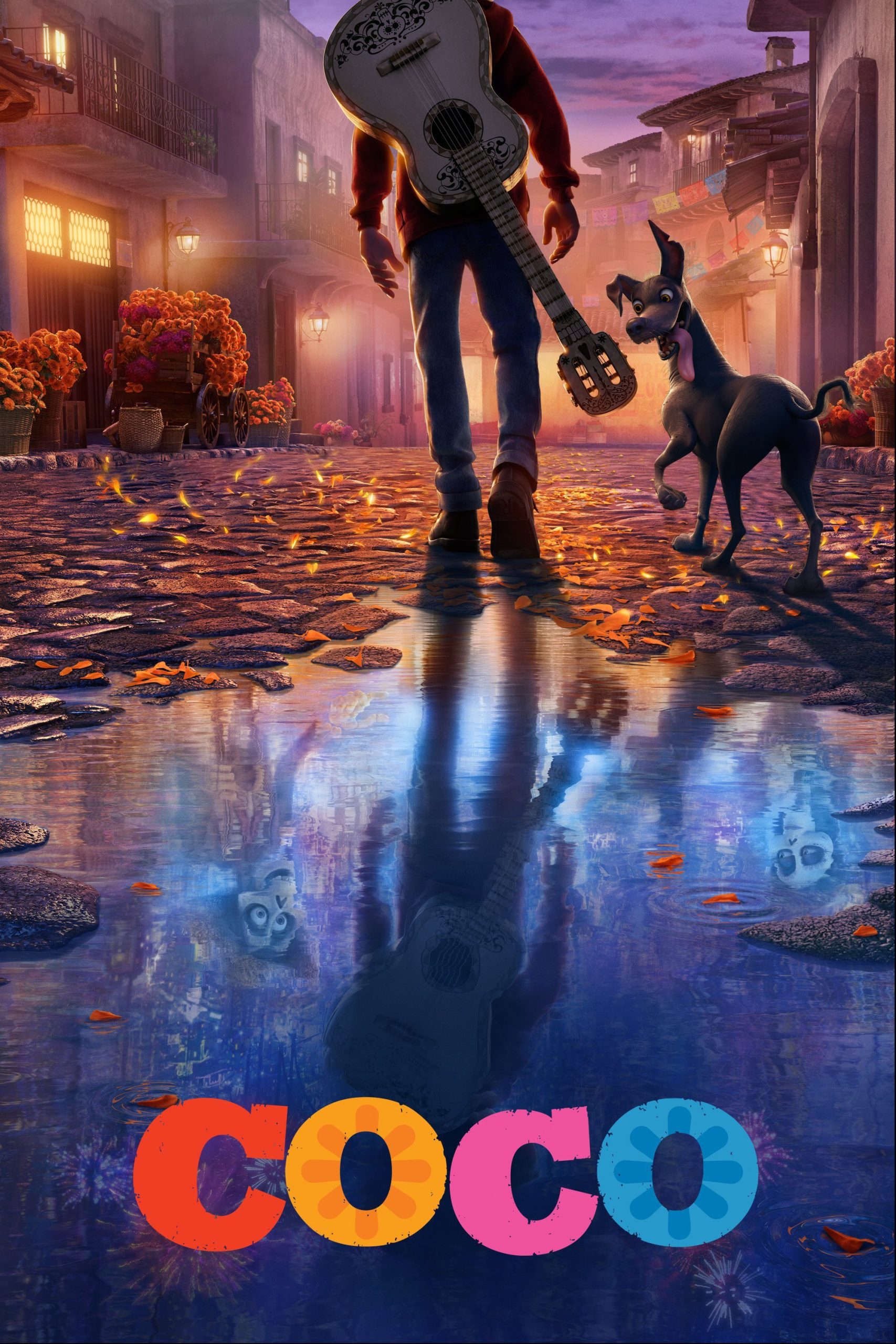
When I first watched “Coco,” the film instantly struck me with its warmth and exuberant celebration of Mexican culture. However, as I delved more deeply into its origins, I realized that “Coco” is not based on a specific true story or any one real individual’s life. It’s a completely fictional narrative, set in an imaginative version of Mexico, with original characters who embark on a singular journey shaped by family, tradition, and music. The story’s emotional power led me to question whether some portions might have been drawn from real accounts or actual families. After examining available sources, it became clear that the film is a work of fiction, though it is heavily inspired by real Mexican customs—most notably Día de los Muertos, or the Day of the Dead. My experience revealed that while the storyline itself is not directly tied to actual events, the thematic backbone is grounded in real cultural practices, which gives the film an authentic resonance despite its fictional premise.
The Real Events or Historical Inspirations
After watching “Coco” and feeling completely absorbed by the intricate visuals and music, I became curious about whether any real-world traditions, events, or people influenced the story. What stood out to me most was the vibrant depiction of Día de los Muertos. Rather than being inspired by a real family or personal story, “Coco” draws its foundation from this cultural celebration—a tradition that has deep roots in Mexican history. I found fascinating details about how the filmmakers invested considerable time researching across different regions of Mexico; they consulted historians, artisans, and local families. The skull motifs, colorful altars, papel picado (paper decorations), and the use of marigolds in the film all point to authentic elements within Day of the Dead festivities, as I later confirmed in studies about Mexican customs. There are no direct accounts, diaries, or historical documents that “Coco” adapts, but it’s evident to me that the festival’s rituals—honoring ancestors, creating ofrendas (altars), and the sense of intergenerational connection—formed the narrative framework. What is especially distinctive, in my view, is that the film doesn’t merely echo the general atmosphere of Día de los Muertos but also weaves in specific visual motifs such as the Alebrijes (spirit animals), which were introduced in the 20th century as folk art but have become widely associated with the festival. My research revealed there’s no archetype of a “Miguel Rivera” or “Ernesto de la Cruz” in Mexican records; the characters are imagined, yet they embody the lived experiences and values of many Mexican families, reinforcing the authenticity without factual lineage.
What Was Changed or Dramatized
Throughout my analysis of “Coco,” I realized the creators made deliberate choices in how they dramatized and embellished elements from real traditions to serve the film’s story. After learning about actual Day of the Dead practices, I noticed several ways the narrative diverges from or amplifies established customs. For example, the depiction of the Land of the Dead as a fantastical city, complete with glowing towers and a surreal transit system, stands in stark contrast to the more somber and intimate atmosphere of actual commemorative gatherings. To me, this dramatization serves to externalize the spiritual journey so central to the plot but is far removed from any documentable reality. Another area I found fictionalized is the central plot device—the magical guitar and the conditions allowing a living boy to cross to the afterlife. While rooted in symbolic traditions of memory and ancestral veneration, the supernatural mechanics remain woven from imagination. The concept that a family member can “disappear forever” if not remembered through photos or stories is stylized for cinematic tension, even though remembrance fuels the ethos of the actual holiday. When it comes to Alebrijes, my research revealed they don’t function as literal spirit guides in Mexican belief. Instead, their inclusion is a dramatic invention, giving visual personality to what is, culturally, a more abstract connection between the living and the dead. “Coco” also introduces an original song, “Remember Me,” which, while evocative of Mexican ballads, was composed for the film rather than adapted from any traditional repertoire. All these dramatizations stood out to me not as misrepresentations, but as artistic reinterpretations aimed at engaging viewers across generations and cultures.
Historical Accuracy Overview
Reflecting on my exploration of the film’s depiction of tradition versus real-life practices, I see “Coco” as a tapestry woven from threads of authenticity, colored with creative liberties. What I found compelling is how the film mirrors the look and feel of Mexican townships, the family altars, and the joyful ambiance of Día de los Muertos. Filmmakers visited states like Oaxaca and Guanajuato for research, and this is evident in the film’s set design and costume choices that stay true to Mexico’s varied regions and their unique observances of the holiday. The representations of food, music, and artisan crafts—such as the hand-painted guitars and embroidered garments—reflect the creators’ dedication to authenticity. Still, “Coco” remains a story set in a universe where the supernatural is not only possible but expected. The mechanics of crossing between worlds, communicating with ancestors in person, and anthropomorphic skeletons all serve as markers of creative storytelling rather than literal history. I noted that while the film captures the soul of remembrance and familial ties that drive real Day of the Dead celebrations, its central intrigue—a secret about Miguel’s great-great-grandfather and the musical legacy—is an invented drama with no analog in festive traditions. Through this lens, I appreciate how the film balances accurate representation of culture with the imaginative leaps necessary for an engaging, family-friendly narrative. It reminds me that historical accuracy in animated fiction is often defined not by literal adherence, but by emotional and cultural truthfulness.
How Knowing the Facts Affects the Viewing Experience
For me, coming to “Coco” with a clear sense of its origins—rooted in tradition, not biography—fundamentally shaped the way I experienced each moment onscreen. Understanding that the film is not a factual retelling allowed me to focus on the symbolism and the intent behind the choices, rather than fact-checking every detail. It deepened my appreciation for how effectively the film translates Mexican traditions into accessible, universal themes of remembrance, family, and the importance of honoring ancestors. I found that being aware of what is authentically drawn from Mexican culture—like ofrendas or the use of marigolds—gave specific moments in the film more significance, lending emotional weight to scenes that might have otherwise seemed simply fantastical. On the other hand, knowing that supernatural plot points and character backstories are largely invented reinforced my understanding of these as narrative devices, meant to carry complex family dynamics and the inner journey of a young protagonist. This clarity shifted my expectations: I no longer saw “Coco” as an educational documentary or a strictly historical film, but rather as a loving, interpretive portrait of Mexican identity and folklore. When I encountered the brilliant displays of color, or the soaring musical performances, I viewed them not as literal reenactments, but as emblematic expressions of the culture’s generational storytelling. Overall, for me, uncovering the film’s roots made the viewing experience richer; by separating fact from fiction, I could more fully engage with both the genuine cultural motifs and the inventive narrative framework that “Coco” so vividly brings to life.
After learning about the film’s origins, you may want to see how audiences and critics responded.
🎬 Check out today's best-selling movies on Amazon!
View Deals on Amazon