
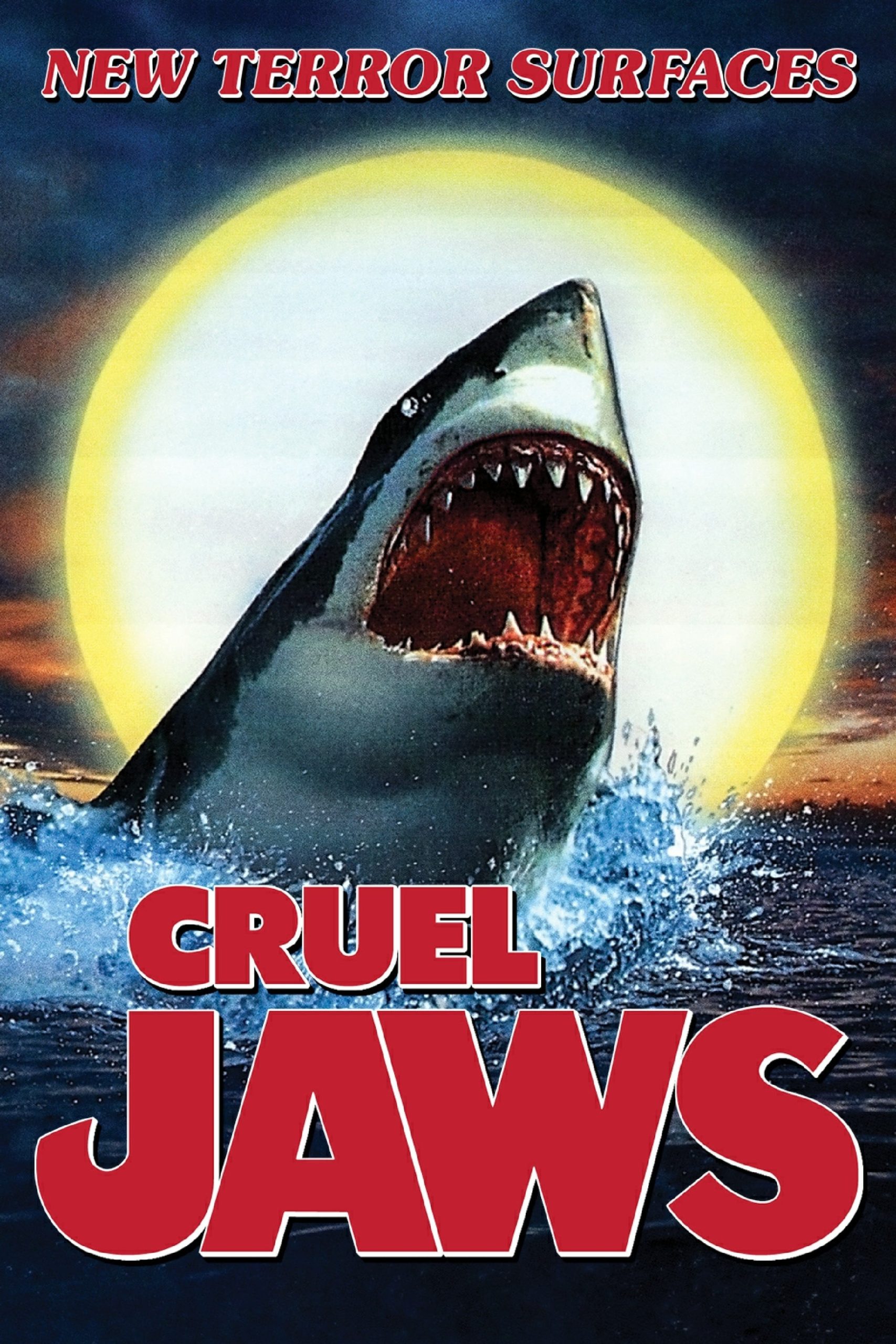
Is This Film Based on a True Story?
From the very first time I watched Jaws, I found myself orbiting this nagging question: could something like this have ever happened? On the surface, Jaws feels so plausible—vividly real, even—that I remember pausing more than once to consider the possibility of a great white terrorizing a community. Reflecting on all the research I’ve done since, I can say definitively that Jaws is not a literal retelling of real events. However, it occupies an interesting space between fiction and inspiration: it’s a dramatized, fictional story that draws clear inspiration from real-life shark attacks and existing anxieties of the time. The film is an adaptation, first and foremost, of Peter Benchley’s 1974 novel of the same name, which itself grew out of real-world incidents. Still, no community called Amity with a man-eating shark exactly like in the movie ever existed. In that respect, when I get down to the facts, Jaws is more ‘inspired by’ than ‘based on’ actual events—an important distinction for anyone curious about what really happened in those infamous New England waters.
The Real Events or Historical Inspirations
The endless mythos around Jaws often circles back to the source material—Peter Benchley’s bestselling novel. As I dug in, I found that Benchley’s imagination ignited after he stumbled upon the true-life account of the 1916 Jersey Shore shark attacks. That chilling event involved a series of abrupt, fatal shark attacks along the New Jersey coastline, spanning only twelve days but ultimately resulting in four deaths and one serious injury. These attacks created a frenzy in the American press, fostering a fear of sharks that rippled through the culture to this day. When I trace Benchley’s specific creative triggers, it’s clear the 1916 attacks—rather than any single documented incident—laid the groundwork for the kind of mass panic and municipal crisis he envisioned in his book and the subsequent film adaptation.
There aren’t any direct counterparts to Chief Martin Brody, Quint, or Matt Hooper in the real world, but the tension Benchley describes—between the interests of public safety, scientific understanding, and economic drivers like tourism—mirrors the political and social dilemma faced by real towns following those 1916 attacks. Another key influence on both Benchley’s novel and the Spielberg film was the actual behavior and size of great white sharks, which had only started receiving significant scientific attention in the early twentieth century. When I read about Frank Mundus, a Montauk-based shark fisherman active in the 1960s and 1970s, I started to see subtle connections to the character of Quint: both known for their bravado and their ability to wrangle enormous ocean predators. However, to my knowledge, this was more about atmosphere and color than a true biographical portrayal. The drama and the monster at the heart of Jaws emerges from a combination of factual shark behavior, American coastal history, and a generous dose of fictional invention.
What Was Changed or Dramatized
I’ve always been fascinated by how films like Jaws transform reality into a story that delivers visceral thrills, even when rooted in mundane or scattered historical truths. The movie takes several creative liberties that steer it away from history and into the realm of pulse-pounding storytelling. For one thing, the idea of a massive, persistent great white intentionally hunting humans along the same stretch of coastline is, based on what I’ve read, not supported by ichthyological records. Real sharks don’t target individual townspeople in a calculated sequence. Spielberg’s adaptation amplifies the terror by rendering the shark as a kind of malevolent, almost supernatural entity. In contrast, the 1916 New Jersey attacker’s motivation remains unknown, with some scientists still unsure whether one or multiple sharks were even involved.
There’s also a significant distinction between the true complexity of small-town governance and the dramatized, almost archetypal figures of the movie. Chief Brody, for instance, is a pure fictional construct: an everyman hero forced into crisis, facing down not only a monstrous animal but bureaucratic denial and local self-interest. While Benchley’s authorial inspiration was clearly informed by historical panic and seaside economics, Spielberg’s screenplay takes these threads and weaves them into a compact, emotionally charged narrative. The character of Quint, the battle-scarred shark hunter, echoes tales about Frank Mundus but exaggerates qualities—such as the legendary Indianapolis speech—entirely for dramatic effect. No one actually shared that backstory in connection with a real shark hunt in American history. As for the science, while the film presents Hooper as a beacon of expertise, the state of shark research in the 1970s was still evolving. Many of the behaviors attributed to the film’s shark are exaggerated, including its cunning and determination.
I also see overt dramatization in the way the events escalate and how the threat to public safety is depicted. Notably, real communities hit by disaster—shark-related or otherwise—seldom follow such a tight narrative arc, nor do they typically produce clear-cut heroes or climactic single confrontations. The urgency with which Amity Island reopens its beaches (despite warnings) draws from real debates but is heightened for suspense and moral tension. When I compare the inhabitants of Amity to accounts from beach towns during the 1916 panic, there are similarities in the pressure to minimize losses, but the stakes and personalities are more sharply drawn on the screen than in any single historical record.
Historical Accuracy Overview
Whenever I examine Jaws against the available documentation, I end up with a mosaic: pieces of reality, reassembled and greatly amplified for effect. The central historical inspiration—those 1916 New Jersey shark attacks—portrays actual fatalities and coastal anxiety, but much of what defines Jaws is invented. The mechanical shark, nicknamed “Bruce,” was based on scientific models but designed to be far larger and more ominous than most real great whites ever recorded. In fact, the shark in the movie is around 25 feet, whereas the average great white is typically closer to 15 or 16 feet. There have been rare, confirmed sightings of sharks approaching the film’s dimensions, but these are exceptional and not characteristic of the species.
I find the accuracy of the movie functioning more on the psychological level—the fear of the unknown, the vulnerability of vacationers, and the economic consequences of closing a prized tourist attraction. Historically, these are genuine community pressures dating back to not just the shark attacks, but countless other aquatic dangers threatening waterfront towns. While the marine science in the film borrows certain truths (for instance, the concept that most shark attacks are cases of mistaken identity), the remainder—especially the portrayal of the animal as calculating and vengeful—leans on audience expectations about predators rather than strict zoological evidence. Benchley himself would later speak publicly about his regret over popularizing the image of sharks as villains, indicating a consensus in later years among experts that much of the film’s depiction was misleading despite its roots in real incidents.
Amity Island, the setting for Jaws, is a composite inspired by Northeast resort towns, with filming locations spread across Martha’s Vineyard and other Massachusetts locales. While these communities housed real individuals coping with natural dangers, the specific sequence of events and character interplay are the product of Benchley’s narrative and Spielberg’s directorial choices. So when I weigh the ingredients—fact, folklore, and outright invention—what emerges is a work that echoes genuine historical moments but ultimately serves the demands of drama first, reality second.
How Knowing the Facts Affects the Viewing Experience
For me, the effect of knowing what’s true and what’s invented in Jaws makes the experience more layered, not less compelling. My first encounter with the film was all adrenaline and suspense, but over time, peeling back its origins, I found new appreciation in distinguishing the line between myth and possible reality. When I recall how the 1916 attacks seeded nationwide shark panic, I start to see the movie as a time capsule—one that translates real community fears into a singularly harrowing story. Understanding that the “killer shark” idea is an exaggeration, not scientific fact, lets me watch the movie as an exploration of human anxiety, not a cautionary tale about swim safety. I sometimes think of how local economies, depicted through the Amity town council’s debates, genuinely influence policy decisions during threats, whether it’s a shark, a hurricane, or something else entirely.
Grasping the film’s blend of fact and fiction helps me avoid conflating the real dangers sharks pose with the monstrous representations often seen on screen. When I learned that studies after Jaws documented a rise in shark fear and even instances of shark hunting, it made me meditate on the way stories can ripple into policy and public perception. Yet, despite knowing the shark’s attacks and relentless pursuit are pure narrative license, I’m still drawn in by the plausibility of the situation, a testament to how powerfully the film weaves its inspirations into a nearly seamless whole. That tension—between real historical threads and the needs of a gripping thriller—gives me a richer framework for watching, where I can relish the suspense on its own terms and at the same time recognize where art has eclipsed reality.
If I were introducing Jaws to someone aware of its history, I’d encourage them to let the facts inform but not dominate their experience. Yes, the odds of a single great white behaving like the movie’s antagonist are incredibly low, but the town’s debate over safety versus commerce, and the peculiar mix of dread and fascination sparked by unknown dangers beneath the surface, strike close to truths shared by many waterfront communities across decades. As someone fascinated by the way movies refract and magnify, I found in Jaws a case study in how real anxieties found new life—not as biography, but as legend. I suspect that’s why, each time I revisit the beaches of Amity in my mind, the terror feels so unnervingly immediate, even as the real world remains, for now, a little less perilous.
After learning about the film’s origins, you may want to see how audiences and critics responded.
🎬 Check out today's best-selling movies on Amazon!
View Deals on Amazon