
Is This Film Based on a True Story?
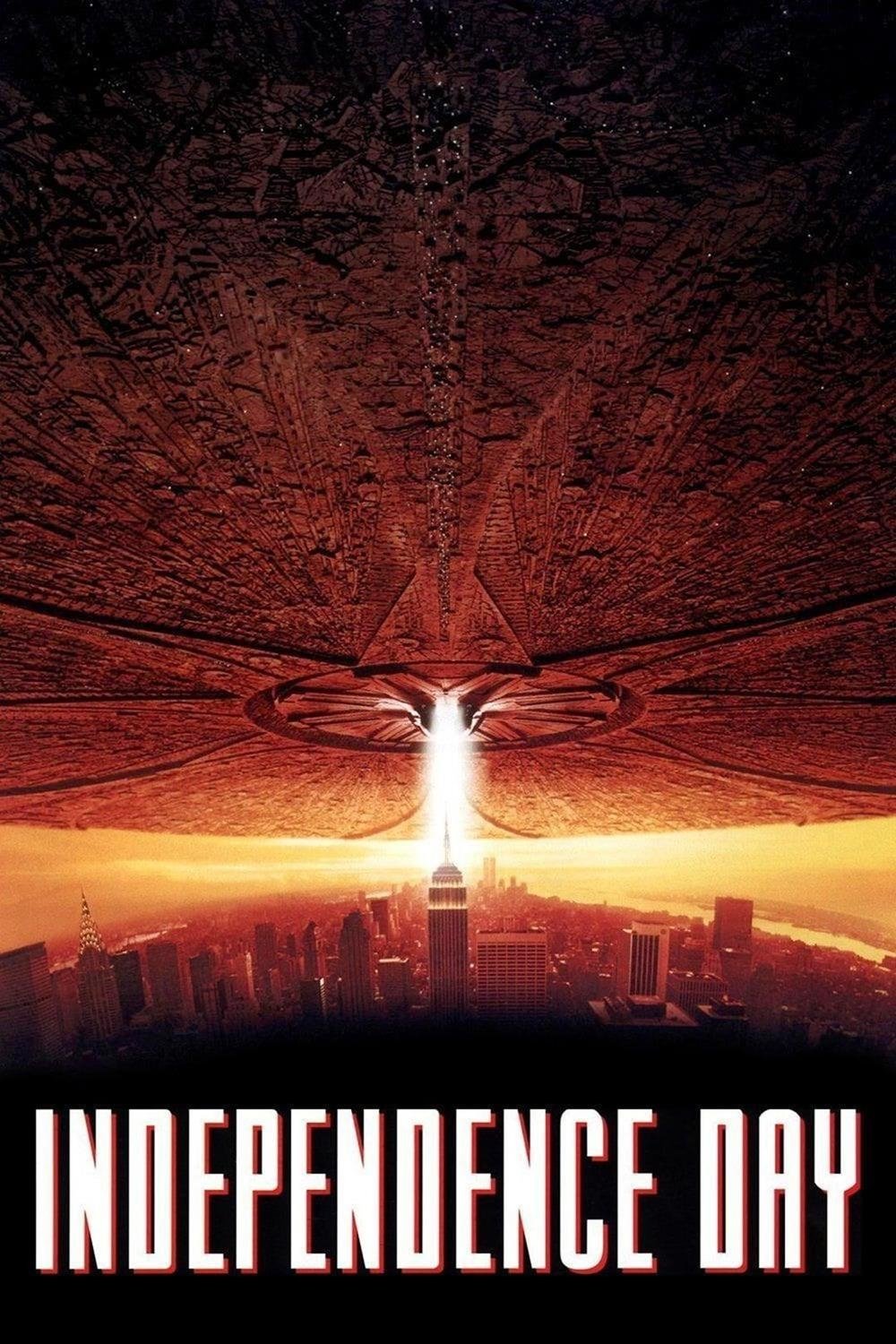
When I first sat down to rewatch “Independence Day,” I couldn’t help but laugh at the idea of someone seriously asking whether it was based on actual events. From my perspective, and based on everything I know about both the film and the context in which it was made, this 1996 blockbuster stands firmly in the camp of complete fiction. There are no hidden diaries or declassified government memos that recount a catastrophic alien attack on Earth occurring on July 4th. The movie springs directly from the imagination of its writers, Roland Emmerich and Dean Devlin, tapping into a long tradition of speculative science-fiction that asks “What if?” rather than “What was?” To put it plainly: I have never found evidence, even in the most creative corners of history, to suggest that “Independence Day” has its roots in any real historical event or personal testimonial. The film is not inspired by true events; it is a thoroughly fabricated fantasy, designed for excitement and spectacle rather than historical retelling or documentary insight.
The Real Events or Historical Inspirations
Despite its status as a work of pure fiction, I’ve always been drawn to the idea that art rarely exists in a vacuum. “Independence Day,” while not rooted in any specific historical event, certainly draws from broader cultural currents and collective anxieties—particularly, longstanding fascination with UFO lore, government secrecy, and the specter of global catastrophe. I see echoes of the Roswell UFO incident of 1947 rippling through the film, with its Area 51 subplot tapping into half a century’s worth of speculation about hidden government programs and contact with extraterrestrial life. While no department in the United States government has officially announced the existence of secret hangars containing alien spacecraft, I can’t ignore how the narrative pulls from rumors and urban legends that have been part of pop culture for decades.
Even though no real-world invasion occurred, the movie’s creators were evidently inspired by the long legacy of alien invasion stories that populate science fiction, both in literature and film. From H.G. Wells’s “The War of the Worlds,” published in 1898, to the Cold War paranoia depicted in movies like “The Day the Earth Stood Still” (1951) and “Earth vs. the Flying Saucers” (1956), I see “Independence Day” as proudly continuing this tradition. Emmerich and Devlin themselves have spoken about how these earlier works influenced their vision. They were motivated not by government files or eyewitness accounts, but by the dramatic possibilities these older stories suggested—particularly the combining of apocalyptic threat with national holidays like the Fourth of July. In my view, the movie borrows the patriotic fervor of American Independence Day, recasting it as the stage for humanity’s struggle, rather than referencing any form of actual global conflict.
Another subtle inspiration I can’t ignore is the way the film reflects then-contemporary feelings of global unity and existential fear. The 1990s saw the closing of the Cold War, leaving the world simultaneously more interconnected and more uncertain about the next global crisis. There’s a palpable sense in the movie of nations coming together against a common threat, which may have reflected or spoken to hopes and anxieties of the post-Cold War era, but I see this as a reflection rather than adaptation of real history. Ultimately, while “Independence Day” is not based on a true story, I believe it draws upon a collage of cultural and historical themes—just not literal historical events.
What Was Changed or Dramatized
I find it almost amusing to consider the question of dramatic license in “Independence Day,” since there was no original event to deviate from. Yet, in looking closely at how the film presents its world and its crisis, I see a deliberate amplification of certain elements for the sake of excitement, shock value, and emotional resonance. The scale of destruction—the White House and major cities obliterated in spectacular fashion—is heightened well beyond what has ever occurred or is technologically feasible. The idea of a coordinated resistance, with humanity spontaneously uniting through Morse code and devising a computer virus to defeat a vastly advanced alien adversary, is not just unlikely; it’s an outright fabrication that exists purely for the audience’s sense of triumph.
As someone who has spent years analyzing the relationship between storytelling and veracity, I notice that the filmmakers take established science and twist it for cinematic effect. The notion that modern Earth technology—a 1996-era computer, no less—could interface with and cripple an extraterrestrial ship through a computer virus is something I recognize as implausible, bordering on comedic for anyone familiar with real-world cyber warfare or alien biology. Likewise, the depiction of Area 51 as a fully-operational, high-tech facility with preserved alien specimens is, to my knowledge, entirely drawn from the realm of conspiracy theory and science fiction pulp rather than verifiable fact.
I’ve always been fascinated by the way the character of President Thomas Whitmore is dramatized, transforming a politician into a hands-on fighter pilot and speech-giver who galvanizes all of humanity. There is no real-world president on record who has acted with such direct personal involvement during a military attack, especially not by climbing into a jet and engaging in dogfights. It’s classic Hollywood embellishment—taking the essence of leadership and pushing it into mythic territory. In essence, what I see on screen is not history tweaked or adapted, but imagination unleashed, borrowing imagery and tone from real myths and legends to tell a new, fictional tale.
Historical Accuracy Overview
When I sift through the film for kernels of truth, the list comes up remarkably short. From the perspective of actual, documentable history, almost nothing in “Independence Day” holds up as accurate. The destruction depicted—the elimination of landmarks, the collapse of government infrastructure, the mass evacuations—are all created by visual effects and narrative necessity. There is no factual precedent for global, coordinated alien attack; nor has there been any verified encounter between humans and alien technology hidden away in government facilities. I have yet to find any record, official or otherwise, of Area 51 serving as humanity’s front line against extraterrestrial beings.
If there is anything I would concede as “accurate,” it is the portrayal of certain real-world locations. The White House, the Empire State Building, and other global landmarks are depicted in a largely realistic manner before their on-screen destruction. Similarly, the military technology and aircraft bear at least a passing resemblance to those in real service during the mid-1990s, although their use against intergalactic adversaries is, of course, pure fantasy. The film’s emphasis on global cooperation, coordination, and urgency does reflect real protocols for international crisis response, but transposes them into a landscape of science fiction rather than international politics as we know them.
Where the film parts most distinctly from reality, as I see it, is in its core premise—civilization under attack by technologically superior extraterrestrials. UFO sightings and unverified reports have appeared in headlines throughout the last century, but not one has led to the kind of overwhelming, globally confirmed crisis that the movie depicts. The film’s reliance on pseudoscientific solutions—such as hacking an alien mothership with contemporary software—catapults the story into pure fantasy. Even the idea of the military and civilian scientists working in lockstep with such speed and resourcefulness is more indicative of narrative formula than historical process.
What stands out most to me is how “Independence Day” uses pseudo-historical cues to give its story a veneer of believability: presidential speeches, military briefings, and the invocation of national holidays all echo things that do happen in the real world, just not in this particular context. Every time the movie hints at a “true story,” it’s really just using the language and imagery of history to create a sense of immediacy and drama—a testament to the power of storytelling rather than actual documentation.
How Knowing the Facts Affects the Viewing Experience
For me, clarity about the purely fictional roots of “Independence Day” transforms it into a different sort of spectacle. Knowing that no part of this narrative is derived from diaries, interviews, or classified accounts lets me experience the movie as a work of creative exuberance rather than historical reportage. I enjoy how, when the audience is not burdened with the expectation of accuracy or adherence to real events, the film’s set pieces and moments of high drama become more like the pages of a comic book or the energy of an epic summer novel. Recognizing that the movie emerges from a lineage of science fiction exaggeration, and not journalistic fact, sets the stage for a particular kind of enjoyment—one that is about immersion, escapism, and the thrill of imagination unchecked by the boundaries of reality.
I find that understanding the total absence of historical foundation can also free the audience from the instinct to scrutinize details that would matter intensely in a film based on real people or events. There’s no need to ask whether that uniform is period-accurate, whether the White House response protocol is plausible, or whether any contemporary president would make similar decisions. Instead, I can surrender to the movie’s rhythm, appreciating how the characters and plot are engineered for maximum emotional impact and communal excitement. The knowledge that everything is fabricated only adds to the fun of spotting references or Easter eggs to other science fiction works—another treat for fans of the genre.
Sometimes I think about the potential confusion between movies that claim to retell true stories and those, like this one, that are unapologetically invented. For my own viewing, the transparency of “Independence Day” as fantasy grants me a sense of relief. I don’t have to worry about unintentional propaganda or historical distortion; I can focus instead on what the story says about fear, resilience, and the quirks of human optimism. The speech given by President Whitmore, for all its iconography, is less a footnote in real presidential rhetoric and more a celebration of the enduring spirit found in science fiction’s vision of heroism and collective action.
Ultimately, the absence of real events at the heart of “Independence Day” lets audiences like me engage with it playfully, without the ethical or interpretative weight that accompanies films grounded in true stories. That freedom can be refreshing, allowing for enjoyment of spectacle purely on its own terms. For those who come to the movie hoping for revelations about government secrets or the real nature of UFO incidents, familiarity with its fictional origins may actually enhance appreciation for how it cleverly blends old myths, pop culture references, and emotional storytelling into something that feels briefly possible, even as it remains pure invention.
After learning about the film’s origins, you may want to see how audiences and critics responded.
🎬 Check out today's best-selling movies on Amazon!
View Deals on Amazon