
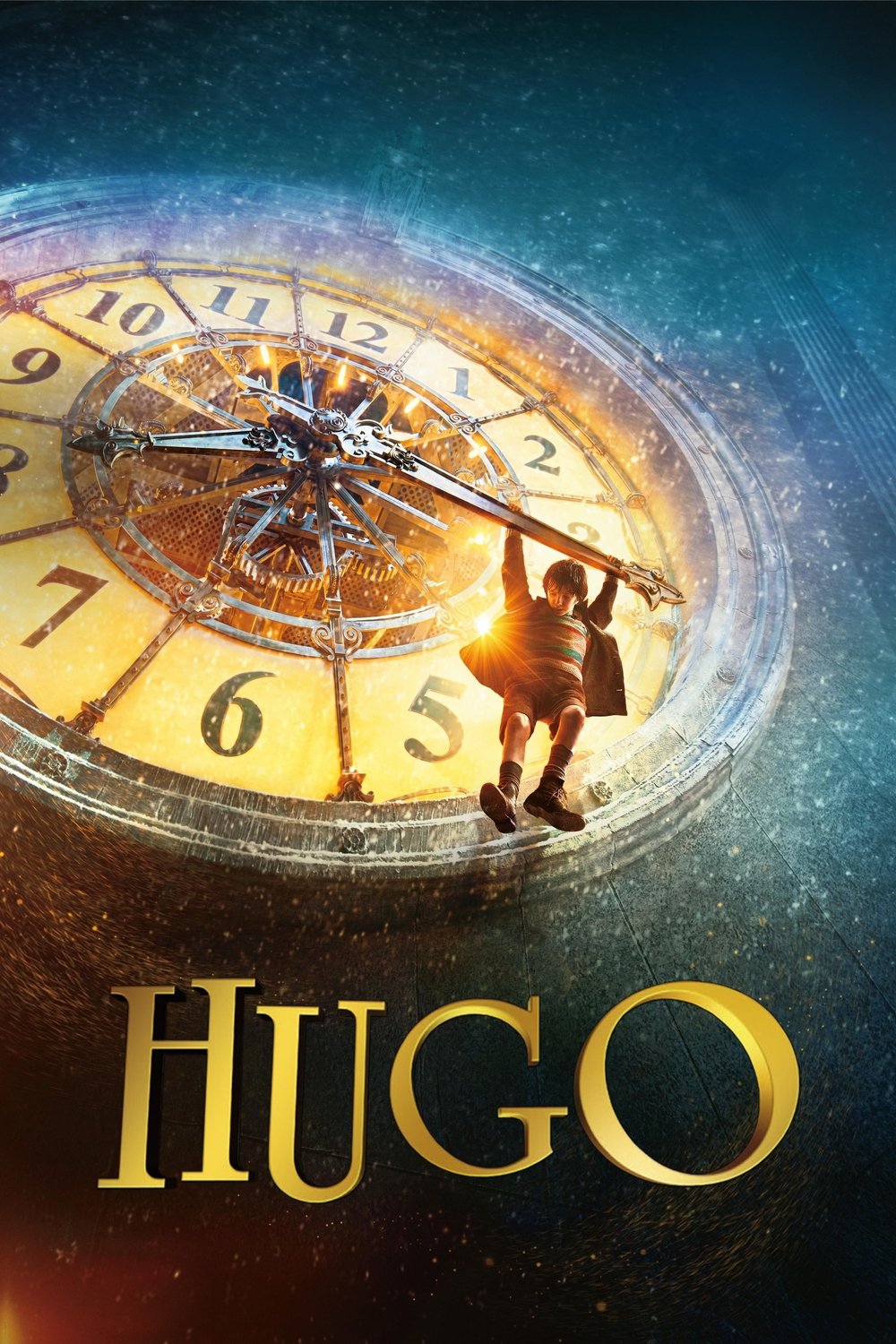
Is This Film Based on a True Story?
The first time I watched “Hugo,” I was struck by its lush sense of nostalgia and the way it seemed to channel both wonder and loss into a single cinematic breath. But the question that lingered for me after those luminous closing credits was simple: Did these mesmerizing events ever take place, or is this a child’s fantasy spun from whole cloth? After digging into the film’s origins, I can say that “Hugo” falls somewhere between reality and invention. It is not derived from a single true story, but rather, it intricately weaves factual threads—especially surrounding the filmmaker Georges Méliès—into an otherwise fictional narrative. The larger plot and most of its characters, including the young protagonist Hugo Cabret, are inventions from the mind of Brian Selznick, whose book “The Invention of Hugo Cabret” forms the film’s primary source. However, the film’s reverence for early cinema, and its detailed depiction of Méliès’s life, anchor it to real history more than most family adventure films dare to do.
The Real Events or Historical Inspirations
From my own research and fascination with cinema history, it’s clear to me that “Hugo” would not exist in its present form without the life and legacy of Georges Méliès. When I first learned about the film’s background, I realized that the heart of its historical grounding lies not with its protagonist, but with this pioneering French filmmaker. Méliès, regarded as one of the fathers of cinematic special effects, did in fact create over 500 films at the dawn of cinema, including the legendary 1902 work “Le Voyage dans la Lune” (“A Trip to the Moon”), which is lovingly recreated in “Hugo.” The film’s depiction of Méliès’s rise—his early days as a magician, his fascination with illusion, and his eventual embrace of filmmaking—resonates authentically with accounts I’ve read in biographies and film history texts.
But it’s not just Méliès’s exuberant creativity that connects “Hugo” to real events. The decline the film portrays, where Méliès fell into obscurity and ran a modest toy booth in the Gare Montparnasse train station, actually happened. That detail lingered in my mind, because it underscores the enormous shifts in early twentieth-century technology and public taste. For a period—the 1920s and early 1930s—Méliès did sell toys and candies in a train station, largely unrecognized for his cinematic achievements. I was especially touched by the discovery, made decades after the silent era faded, of Méliès’s lost films and his overdue rediscovery by film lovers. The film’s rapturous depiction of his work being celebrated once more echoes real film preservation efforts carried out in France during the middle of the twentieth century.
Beyond Méliès, I noticed that “Hugo” faithfully evokes the wider historical setting. The bustling halls of a Paris train station, the mechanical clockworks, and the rise of automata artisans are all grounded in historical fact. Automata—those complex mechanical figures designed to mimic life—were indeed crafted by skilled artisans in France during the late nineteenth and early twentieth centuries. The automaton at the heart of the story takes direct inspiration from these remarkable creations, many of which now reside in museums. And while I could not find evidence of a real-life Hugo Cabret, the obsession with clockwork and machinery in a belle époque context certainly fits the era.
Yet, the ultimate inspiration for the film belongs to literature. Brian Selznick’s book, itself a hybrid of novel and graphic storytelling, melds fiction with biography, casting Méliès’s real story in a new light through the eyes of fictional characters. This meeting point between history and imagination forms the sturdy foundation on which “Hugo” is built.
What Was Changed or Dramatized
While watching “Hugo,” I couldn’t help but notice how the boundary between fact and fantasy kept shifting, pulling me between awe and curiosity. The film’s most significant inventions revolve around the titular character. Hugo Cabret, as far as any research can tell, is an entirely fictional boy. There’s no historical record of a child orphan living in the walls of a Paris train station, maintaining its clocks, or seeking a hidden message through a mysterious automaton. This was, to my understanding, an imaginative device Selznick used to bridge the gap between Méliès’s biography and a coming-of-age adventure that would resonate with younger audiences.
I was equally aware that the friends and antagonists Hugo encounters—Isabelle, Inspector Gustave, and others—are elaborate narrative constructs, not figures drawn from real-life documentation. The automaton, though inspired by real mechanical men of the era, is itself a narrative device. I haven’t found evidence of Méliès constructing, owning, or hiding a secret message in any actual automaton. The notion of the automaton being the bridge between Hugo and Méliès, enabling a connection between their stories, is an embellishment meant for dramatic and emotional resonance.
Another aspect that was clearly dramatized is the eventual recognition and revival of Méliès’s reputation at the film’s conclusion. In reality, Méliès’s rediscovery by the public was a slower process, one involving complex efforts by French archivists, scholars, and film aficionados over many years. While I found the film’s sentimental climax deeply stirring as Méliès is lauded at a public screening, history tells me that his renown was, unfortunately, not restored in such a sweeping, cinematic fashion. Instead, it came in increments—occasional exhibitions, tributes, and finally, an honorary place in the annals of film history.
I also uncovered that some technical details about the trains and the inner clockwork of the station are intentionally stylized—shot for grandeur rather than exact representation. The drama of near-accidents and the elaborate chases through the train station belong more to the realm of cinematic tradition than to the documentary record. It’s clear that the film selected moments of heightened tension and visual wonder to serve the emotional arc rather than reflect specific events.
Historical Accuracy Overview
Wading through the film’s layers, I found myself piecing together which parts stand firmly in history and which float freely as creative inventions. From what I’ve studied, certain biographical elements are solidly grounded: Méliès’s early career as a stage magician; his experimental approach to filmmaking; the brilliance and collapse of his studio; and his decline into obscurity, working out of a toy stall in a railway station. The film’s illustrations of these moments—its reimaginings of Méliès’s old studio, the bustling magic of early film sets, and the devastation inflicted by the First World War on artistic ambitions—mirror historical records faithfully.
The depictions of automata, too, are accurate in their mechanics, design, and cultural placement. I’ve examined photographs and descriptions of automata from museums and auction catalogs, and the film’s intricate, almost reverential attention to their construction feels genuine. Even the broader texture of Paris, with its mix of industry and artistry, rings true for the period—an age when clockmakers, magicians, and showmen could cross paths in surprising ways.
Yet, as I watched the story unfurl, I was keenly aware of its imaginative license. The central narrative—Hugo’s secret survival, his quest to solve his father’s final mystery, the automaton as a bridge between past and present—is multi-layered fiction. The emotional trajectory of characters like the station inspector and Hugo’s close friends are embellishments created to serve a tale of adventure and belonging, not historical record. The film’s depiction of Méliès’s “rediscovery” is telescoped for dramatic effect, compressing the actual, hard-earned process into a single exuberant celebration.
On balance, I came away appreciating the film’s commitment to honoring real achievements in cinema through Méliès’s story, even while it embellishes or invents significant details in service of entertainment and audience engagement. For anyone with a deep interest in film history, as I have, “Hugo” offers an evocative if not entirely literal portrait of an era on the cusp of modernity.
How Knowing the Facts Affects the Viewing Experience
When I sit down to rewatch “Hugo” armed with the knowledge of what’s real and what’s invented, my sense of appreciation doesn’t diminish—if anything, it grows more nuanced. Understanding that the boy hiding in the walls and the clockwork mystery are inventions, I find myself even more captivated by the realities the film restores to life. Méliès’s actual journey from fame to obscurity, and back to posthumous recognition, becomes a poignant counterweight to the sweetness of the fictional elements.
I’ve found that, for viewers attuned to history, each reference to Méliès’s films hits with a touch of awe. The reconstructed scenes from “A Trip to the Moon” and glimpses of his other works are not just dramatic cues, but genuine invitations to appreciate some of the medium’s earliest wonders. The automaton, too, while a piece of fiction, opens a window into a time when mechanics, art, and storytelling fused in tangible artifacts. Knowing that automata like the one in “Hugo” actually existed—even if they didn’t contain secret messages—adds depth to the scenes and makes their presence so much more than mere fantasy.
I suppose what strikes me the most is how the film’s fusion of truth and invention invites a layered experience. There is a kind of joy in recognizing touches of reality: the faded glories of silent film, the tangible melancholy of creative dreams deferred, and the genuine awe inspired by reclaimed masterpieces. For me, being aware of these details doesn’t spoil the narrative’s romance; it prompts a deeper reflection on the fragility of legacy and the persistence of art. I find myself compelled to look up Georges Méliès’s surviving works and to explore the broader tapestry of early cinema—exactly the kind of response a film with one foot in history and one in fantasy might hope to evoke.
For viewers who approach “Hugo” without any prior knowledge, the fantastical elements blend seamlessly into the emotional fabric of the story, but I always think that a little historical context can act as a key, unlocking subtle layers of significance. Suddenly, scenes gain resonance: the laughter of a forgotten audience, the bittersweet triumph of rediscovery, the idea that art can be lost and found anew. In that sense, my understanding of the facts doesn’t so much categorize the film as “true” or “false,” but rather enriches my appreciation for how it celebrates real accomplishment through the universal language of storytelling. Ultimately, to know the foundation behind “Hugo”—its homage to Méliès, its embrace of lost and found magic—makes it a more rewarding journey into the heart of both history and imagination.
After learning about the film’s origins, you may want to see how audiences and critics responded.
🎬 Check out today's best-selling movies on Amazon!
View Deals on Amazon