
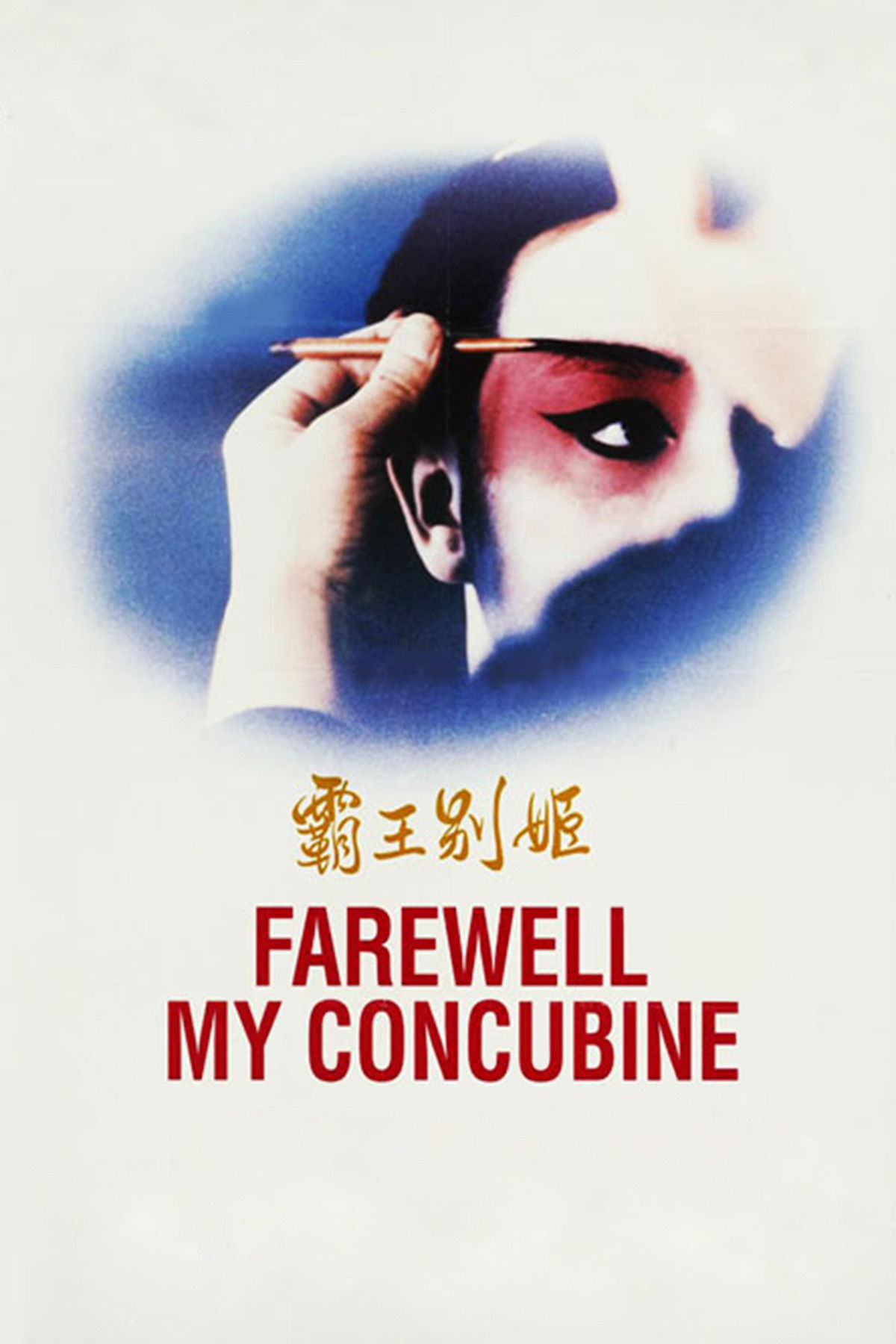
Is This Film Based on a True Story?
The first time I watched “Farewell My Concubine,” I felt swept up in a world that seemed so grounded in historical struggles yet so intoxicatingly evocative that I wondered about the fine line between reality and fiction. After researching its origins and underlying inspirations, I can say that “Farewell My Concubine” is not a direct retelling of a true, documented story, but instead is a fictional narrative heavily inspired by real historical events, authentic cultural heritage, and nuanced human experiences from twentieth-century China. The film’s central characters, Cheng Dieyi and Duan Xiaolou, are not actual historical figures, yet their lives are crafted to intersect meaningfully with tangible moments, ideologies, and upheavals in Chinese history. In this way, the movie is best described as a work of historical fiction enriched with accurate details and influences rather than a pure adaptation of a singular, factual life or incident.
The Real Events or Historical Inspirations
When I explored what might have influenced the film, I realized that the cultural backdrop of “Farewell My Concubine” is deeply entrenched in specific contexts and real events that have profoundly shaped both the story and its characters’ arcs. The film is adapted from a 1985 novel by Lilian Lee (Li Bihua), which itself masterfully blends fictional storytelling with the vivid, often harrowing realities of China’s tumultuous twentieth century. For someone like me, interested in the blurred lines between historical fact and narrative invention, this interaction between source material and lived experience is both fascinating and telling.
Perhaps most obviously, the film’s backbone is the world of Peking opera – a centuries-old performance tradition prominent in Chinese art and culture. While the two leads are fictional, the details of their training, their professional lives, and the style of their performances draw directly from established practices in Peking opera troupes of the era. In my research, I noticed that the grueling training depicted was not fabricated; historical records corroborate that child apprentices were often subjected to rigorous practice, psychological pressure, and strict discipline. Many of the events, customs, and hardships faced by young actors accurately mirror real testimonies.
The historical timeline upon which the story is mapped is also undeniably authentic. The film navigates major events such as the Japanese occupation of China, the Chinese Civil War, and, most strikingly, the Cultural Revolution. I was particularly struck by the film’s depiction of the Cultural Revolution’s impact on traditional arts and personal lives; it drew from genuine experiences of artists and intellectuals in that era, many of whom suffered public humiliation, persecution, or worse. Interviews with real Peking opera artists and research into Chinese historical documents further confirmed for me that this atmosphere of suspicion, political aggression, and shifting alliances was not exaggerated for dramatic effect.
What also stands out is the titular reference to the famous Peking opera “Farewell My Concubine,” a play rooted in Chinese history. The opera, recounting the legend of Consort Yu and Xiang Yu during the Chu-Han Contention (202 BCE), provides an allegorical mirror to the film’s themes. While the lead roles are not direct representations of these historic figures, their lives and sacrifices are framed to echo the opera’s legendary motifs of loyalty, love, tragic defeat, and personal dissolution. Throughout my inquiry, I observed that Lee’s novel and Chen Kaige’s direction rely on this historic opera as their primary symbolic anchor, rather than pulling directly from a particular real-life couple or biographical record.
So, while “Farewell My Concubine” is not a documentary, it is certainly an intricately woven narrative rooted in historically accurate backdrops, genuine political events, and true-to-life depictions of cultural art forms.
What Was Changed or Dramatized
If there’s one aspect that keeps returning to my mind, it’s how “Farewell My Concubine” masterfully manipulates historical context to serve its emotional and narrative aims. While the backdrop is authentic, the personal stories of Dieyi and Xiaolou are creative inventions. Their dramatic relationship, reminiscent of some rumors and subtexts that have floated within real Peking opera circles, ultimately stems from the author’s and filmmaker’s imaginations. There’s no evidence in public record of these two specific artists, nor of their exact trajectory through China’s shifting regimes.
For example, the childhood scenes showing brutal training and the master’s punishments take this reality to the edge, amplifying the suffering to accentuate the resilience required to survive in Peking opera. I noticed that certain emotional cues and dramatic moments – like Dieyi’s lifelong gender confusion and attachment to his stage persona – are intensified to fit storytelling purposes. These components, while potentially inspired by rumors or generalized accounts of effeminate male actors in opera, have no direct basis in any available biographies.
The relationships between the protagonists and Juxian (the third point in their triangle) are entirely invented, yet designed to highlight real historical pressures: the anxieties surrounding sexuality, masculinity, and loyalty during times of political volatility. The love triangle itself serves as a metaphor; in my analysis, it’s a fictional vehicle intended to dramatize conflicting personal and cultural loyalties, rather than an event documented in any historical texts.
One of the film’s most harrowing sequences occurs during the Cultural Revolution, when deep-seated friendship and professional loyalties are shattered under political duress. As I learned, these pivotal moments are projected through the lens of the central characters, but they resonate because similar real-life betrayals did occur across China’s artistic communities. Nevertheless, the specifics – such as public denunciations and tragic confessions during opera troupe purges – are composite dramatizations, collating various documented phenomena into a concentrated dramatic experience.
The ending, in particular, stands as a culmination of narrative invention. The tragic resolution between Dieyi and Xiaolou, though symbolically laden (and in some ways reflecting the fate of Consort Yu within the opera), is not based on any single real-life tragedy from the Peking opera milieu. It is, instead, the creative resolution of the author and filmmaker, devised to underscore the film’s exploration of the cost of loyalty, love, and devotion during periods of radical societal change.
Historical Accuracy Overview
When I try to weigh the historical accuracy of “Farewell My Concubine,” I keep coming back to this unique equilibrium: the film delivers a deeply immersive recreation of cultural, political, and social realities, while constructing a protagonistic journey built on literary invention and allegory. The era-specific details consistently ring true to me, especially in their reconstruction of Peking opera’s golden period as well as its persecution during the Cultural Revolution. I have read accounts from performers who survived this epoch, and they confirm that the climate of suspicion, the choreographed rituals of public “self-criticism,” and the struggle to reconcile personal integrity with survival were widespread.
The film’s authenticity extends to its portrayal of technical aspects of the opera, the costuming, the musical training, and even the dialects spoken by the actors. I was impressed by the careful research apparent in these scenes; scholars have noted that the film’s choreographed performances accurately capture elements of acting, singing, and gestural traditions which had been standard during the mid-twentieth century.
However, when I examine the principal relationships and specific plot events, it’s clear that these are artfully dramatized. As much as Dieyi’s struggles with identity echo real psychological complexities encountered by opera artists, they serve the film’s larger metaphorical objectives rather than providing a biographical record. Similarly, the emotional intensity of betrayals, violence, and reconciliation between the characters collapses decades of history and artistic interpretation into a single, dramatic thread designed to maximize emotional resonance.
To sum up my impressions: the core events the characters witness – foreign invasions, regime changes, cultural purges – are meticulously mapped to China’s true history. Yet the film’s main drama, the intimate story of two opera actors and their shared, tumultuous journey through these national tremors, is a finely tuned creation, composed from a blend of established fact and creative projection. It falls squarely into the genre of historical fiction: essential truths of a period and a tradition, filtered through the imaginative possibilities of art.
How Knowing the Facts Affects the Viewing Experience
Whenever I revisit “Farewell My Concubine” after delving into the factual sources behind it, the film resonates differently—sometimes more deeply, sometimes with a heightened sense of tragedy. Knowing the broad strokes of China’s mid-century upheavals and understanding the real suffering endured by artists during the Cultural Revolution makes the film’s most distressing moments feel less like melodrama and more like a reverberation of collective trauma. This knowledge tethers the fictional journey of Dieyi and Xiaolou to the lived realities of countless men and women whose artistry and dignity were tested by political storms.
My awareness of the historical context in which Peking opera thrived, and then nearly vanished, transforms my appreciation of each rehearsal scene and stage performance. Each gesture, line of dialogue, and costume in the film takes on a documentary value: it’s not merely a storytelling device, but a loving reconstruction—sometimes even resurrection—of a world on the brink. For me, grasping these layers means that the film’s artistry doesn’t feel like a flight of fancy; it becomes a testament to the endurance, vulnerability, and adaptability of performers whose lives were as much dictated by history as by fate or personal decision.
The creative liberties taken in shaping the main characters’ relationships and individual arcs do alter my response in subtle ways: I am less concerned with the veracity of the intimate drama, and more compelled by what the story seeks to reveal about the pressures of conformity, the heartbreak of loyalty, and the ache of longing—for love, for recognition, for survival. When I encounter the hallmarks of classical tragedy—a theme borrowed both from Western and Chinese traditions—I recognize them as stand-ins for countless undisclosed stories silenced by time and by political necessity.
If I had watched this film imagining it as a strict biographical account, my experience would be more confined, possibly distracted by the logistics of fact-checking and comparing to real figures. Knowing the film’s fictional status, but also knowing its substratum of historical experience and evidence, frees me to appreciate its expressive power and how it channels emotional truths through crafted performances. It also offers a lens through which to examine larger social changes—a kind of living mural, animated by lives both real and imagined.
Ultimately, “Farewell My Concubine” stands as a testament to art’s ability to synthesize, commemorate, and transform history. The film is grounded in the verifiable turbulence of twentieth-century China, yet it operates best when viewed as a prism, refracting historical trauma and artistic beauty through the personal, invented stories of Dieyi and Xiaolou. The more I understand about the real operatic traditions, social norms, and political pressures the film draws from, the richer my interpretation becomes—which, for me, is the mark of a truly meaningful historical drama.
After learning about the film’s origins, you may want to see how audiences and critics responded.
🎬 Check out today's best-selling movies on Amazon!
View Deals on Amazon