
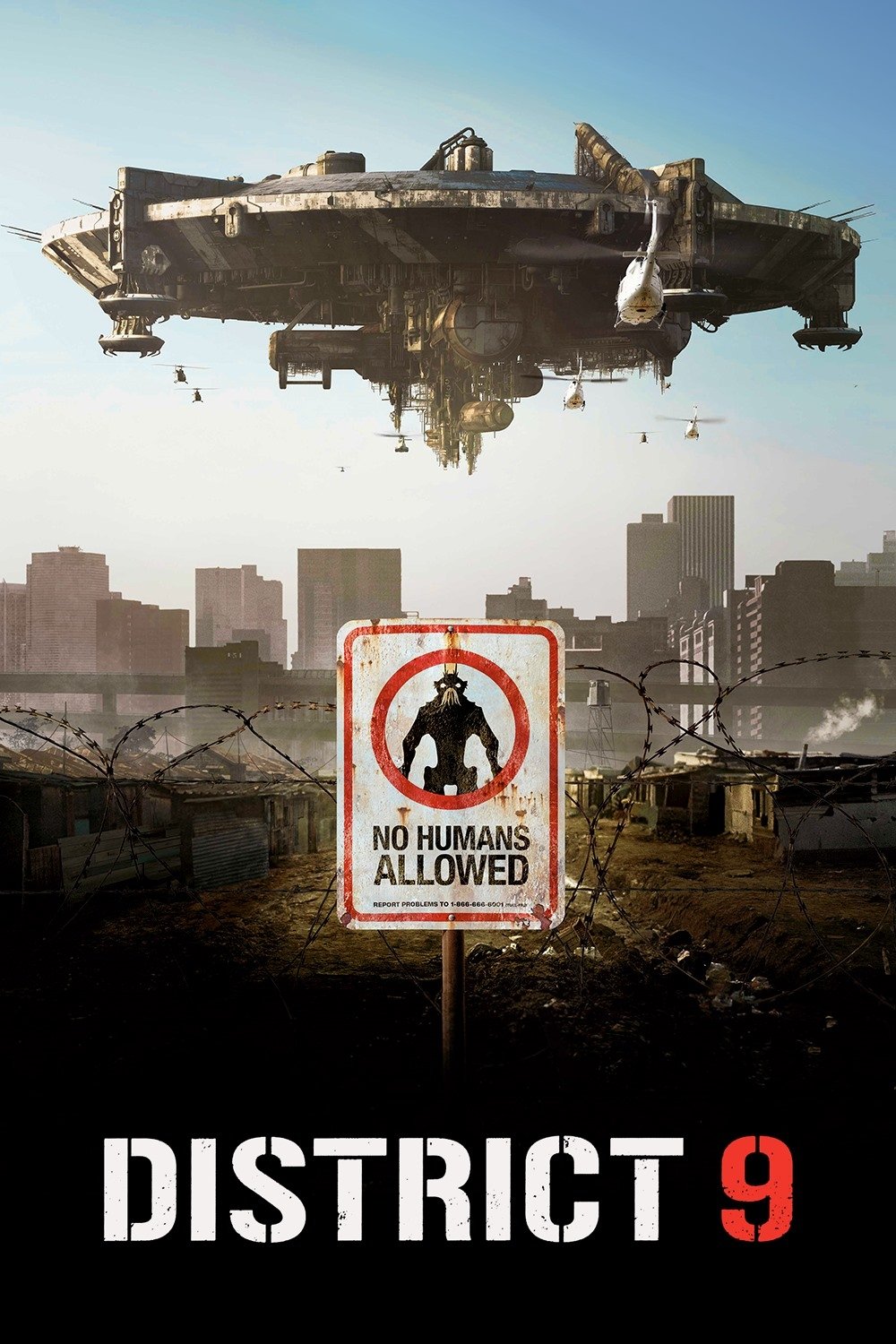
Is This Film Based on a True Story?
When I first watched “District 9,” I was struck by how believable its world felt, despite its clear science fiction premise. Now, after looking into its origins, I can say with certainty that “District 9” is not based on a true story in a literal sense—there was never an alien spacecraft hovering above Johannesburg, nor did extraterrestrials land and become segregated from human society. The film’s plot, characters, and most surface events are entirely fictional. However, from my perspective, the emotional truth it conveys and the societal tensions it depicts are undeniably inspired by real-world history and ongoing social dynamics, particularly those found in South Africa’s past. While the film never presents itself as a strict retelling of historical events, the allegorical structure mirrors factual realities in powerful and sometimes uncomfortable ways.
The Real Events or Historical Inspirations
Reflecting on what grounds “District 9” in something starkly real for me, I keep returning to the history of apartheid in South Africa and, more specifically, to the forced removals in District Six, Cape Town, during the late 1960s and 1970s. The echoes are impossible for me to miss. “District 9” borrows its title and some of its emotional weight from this period. I remember learning how, under apartheid, people of color were removed from their established homes and communities under the Group Areas Act and relocated to townships, often with only a moment’s notice and little regard for their welfare or culture. This institutionalized racism and abuse are, in my view, the skeleton beneath “District 9’s” science fiction flesh. Director Neill Blomkamp grew up in South Africa and has spoken about how the country’s history and ongoing social divides shaped his vision for the film. I find that the sense of displacement and systemic oppression that pervades the film directly echoes actual testimonies and historical records from that era.
On top of this, the film’s depiction of bureaucratic indifference and systemic xenophobia seems, to me, an unambiguous commentary on not only apartheid but also recent outbreaks of xenophobic violence in post-apartheid South Africa, particularly against immigrants from other African countries. The timing of “District 9’s” release coincided with public debates about identity, integration, and exclusion in South Africa—which, in my mind, makes the story all the more resonant. As I dig further, I also see how documentary-style cinematography, mock interviews, and other realistic touches serve to blur the boundaries between the invented story and genuine social commentary, making it easy to feel as though I am witnessing a reimagined, but emotionally true, version of history.
There’s another pivotal historical touchstone for me: the direct reference to District Six. The documentary feel and the Johannesburg setting are tributes not only to South Africa’s struggles but also to the unique social landscape of the city—a place shaped by forced divisions, migrant communities, and enduring rifts. While there’s no direct archival source that the movie follows scene by scene, the emotional core and sociopolitical dynamics are drawn from a very specific time and place. In my understanding, this context is essential to fully grasping why the film feels so urgent.
What Was Changed or Dramatized
As much as “District 9” explores and evokes South African history, it’s obvious to me that the narrative is replete with deliberate departures from real life, intended for dramatic effect and to fit within a science fiction framework. Most strikingly, the aliens, known in the movie as “prawns,” never existed. This entire conceit is a fictional device to reframe themes of segregation and otherness, which were, in reality, upheld along racial rather than extraterrestrial lines. By choosing to use alien refugees as analogues for marginalized people, the filmmakers introduced a layer of fantastical separation that both distances the events from reality and magnifies their emotional and moral impact.
I’ve noticed that the use of extraterrestrial technology, bioengineered weapons, and the process of human transformation (as seen with the protagonist, Wikus van de Merwe, partially turning into a prawn) are complete fabrications. These elements, obviously, have no roots in historical documents or firsthand accounts of apartheid or forced removals. Instead, they serve as metaphors for issues of perspective, assimilation, and dehumanization. They aren’t just dramatic embellishments; they’re mechanisms for me as a viewer to inhabit the mindset of both the oppressed and the oppressor, sometimes at the same time.
Additionally, the presence of Multi-National United (MNU), depicted as a private contractor overseeing alien affairs, is a fictional representation. While real-world South African authorities did enact and enforce policies of segregation, there was never a corporate entity dealing with aliens or exploiting refugees for their biotechnology. Similarly, the gore, violence, and hyperbolic confrontations often escalate much more aggressively than even the worst reported actions during the apartheid era or subsequent conflicts in South Africa. For me, these elements heighten the stakes and emotional impact but are more reflective of creative license than any transcript or historical record.
I also need to mention the film’s mockumentary presentation, which draws heavy inspiration from actual news broadcasts and eyewitness interviews but packages the events through a distinctly fictional format. The style mimics truth-telling but is, from what I’ve seen, entirely constructed, with actors and sets designed to evoke rather than recreate real events. Names, places, and even the language used by the aliens (and surrounding humans) are all invented for the purposes of narrative engagement. I can’t find any evidence that specific individuals or families depicted have direct historical analogues—they’re composites, archetypes, or imaginative inventions derived from larger societal circumstances.
Historical Accuracy Overview
When I assess the historical accuracy of “District 9,” I see a complex tapestry where literal events diverge sharply from factual history, yet allegorical truth remains closely tethered to reality. In the strictest sense, the movie is not accurate: no aliens ever landed in South Africa, no such camp as District 9 existed, and the events shown are not drawn from any particular real-life incident. But if I dig beneath the surface, the movie’s depiction of forced removal, dehumanization, and governmental indifference to suffering echoes some of the most thoroughly documented realities of apartheid-era South Africa. While the title references Cape Town’s District Six, the movie reimagines this location as District 9, transforming it into a global symbol of displacement.
From my research, the portrayal of bureaucratic callousness—wherein authorities inform residents (alien or otherwise) of impending eviction with little compassion—draws unmistakable inspiration from recorded government procedures during apartheid rule. The film’s illustration of everyday social interactions, open prejudice, and hierarchical abuse is painfully close to what survivors and historians have documented, albeit dramatized and relocated to a scenario that, on its face, is impossible. This, to me, is where the film’s impact as an allegory truly lands: the emotional sensibility, not the factual accuracy, holds.
Yet, as I note, the narrative wraps these historical parallels within layers of sci-fi invention. The degree of direct factual accuracy is, then, effectively zero when it comes to specifics—there were no alien weapons, no transformations, and no private corporations capturing alien tissue for experiments. The most accurate portions are the emotional climate and social structures: forced eviction, scapegoating of the “other,” and the splitting of society into isolated sectors based on perceived danger or inferiority. All of these are well-documented components of South African history, even if, in “District 9,” they are recast with different characters and unbelievable circumstances.
One practical detail I’d highlight: the aesthetics of the shanty towns, the involvement of paramilitary forces, and the palpable fear and resentment mirrored real-life conditions in Johannesburg and Cape Town during times of tension and political upheaval. The scenes involving mass removal and makeshift camps invoke the lived experiences reported during the actual District Six removals, and the film’s blending of languages (Afrikaans, English, Zulu, and the fictional alien tongue) accurately reflects Johannesburg’s cosmopolitan soundscape. But I’m always aware that the specifics remain fictional: the parallels exist on a symbolic, not a documented, level.
How Knowing the Facts Affects the Viewing Experience
My relationship with “District 9” shifts noticeably when I approach it with an understanding of South African history. For me, the movie initially functioned on the surface as a clever piece of speculative fiction—aliens as refugees, dark humor, and biting commentary on human nature. But once I placed the narrative against the backdrop of apartheid and the District Six removals, everything from the design of the camp to the attitudes of the humans took on new, more painful layers of meaning. I began to see the story not just as imaginative filmmaking but as a vessel for very real grievances, anxieties, and hopes that shaped generations of South Africans.
When I watch the eviction notices, the impersonal bureaucracy, and the anger among locals and newcomer aliens, I now recognize the shadow of policies and rhetoric taken almost directly from the historical record. Knowing that this violence and resentment happened between people, not just with imagined creatures, deepens both my engagement and discomfort. For me, the transformation of Wikus from human to alien is not simply a physical thriller; it becomes a metaphor for empathy, for crossing the frontier of otherness, and for understanding what it means to lose one’s place in society.
Being aware of the allegorical roots does more than help me “get” the film’s message. It changes the stakes entirely. District 9’s violence is not just an action spectacle—a realizable fear for entire populations once swept aside by the tides of history. Every reference to relocation, identity checks, and the designation of camps mirrors real pain that I, or anyone with family linked to forced migrations, deeply feels. The film’s aliens, while invented, inherit a legacy of real suffering, and I find I can’t view their situation as purely speculative fiction anymore.
On the other hand, if I approach the film strictly as fiction—without the historical context—I could easily miss the biting relevance and tragic echoes that pervade nearly every scene. The movie would still engage me, but the emotional distress and reflection it stirs would be less vivid, less personal. It’s only with knowledge of apartheid, urban removals, and the ways modern societies ostracize vulnerable groups that the narrative opens up into the disturbing allegory it is meant to be. For me, that knowledge moves the story into territory that is both more disturbing and more meaningful than typical science fiction.
What I ultimately find is that my understanding of the facts doesn’t undermine the film’s imaginative power but rather heightens its urgency and depth. Each viewing becomes a dual exercise in empathy—for the fictional aliens and for the real people whose lives were torn apart by policies meant to divide. The blurred lines between history and invention, for me, give “District 9” a lasting resonance. Whether it’s recognizing the details borrowed from District Six or picking up on the moods and anxieties of contemporary South Africa, this layered knowledge reshapes every emotional beat. Anyone who approaches the film with historical awareness might, as I have, come away seeing not only a story of aliens but a stark and enduring meditation on what it means to be an outsider, both in fiction and in history.
After learning about the film’s origins, you may want to see how audiences and critics responded.
🎬 Check out today's best-selling movies on Amazon!
View Deals on Amazon