
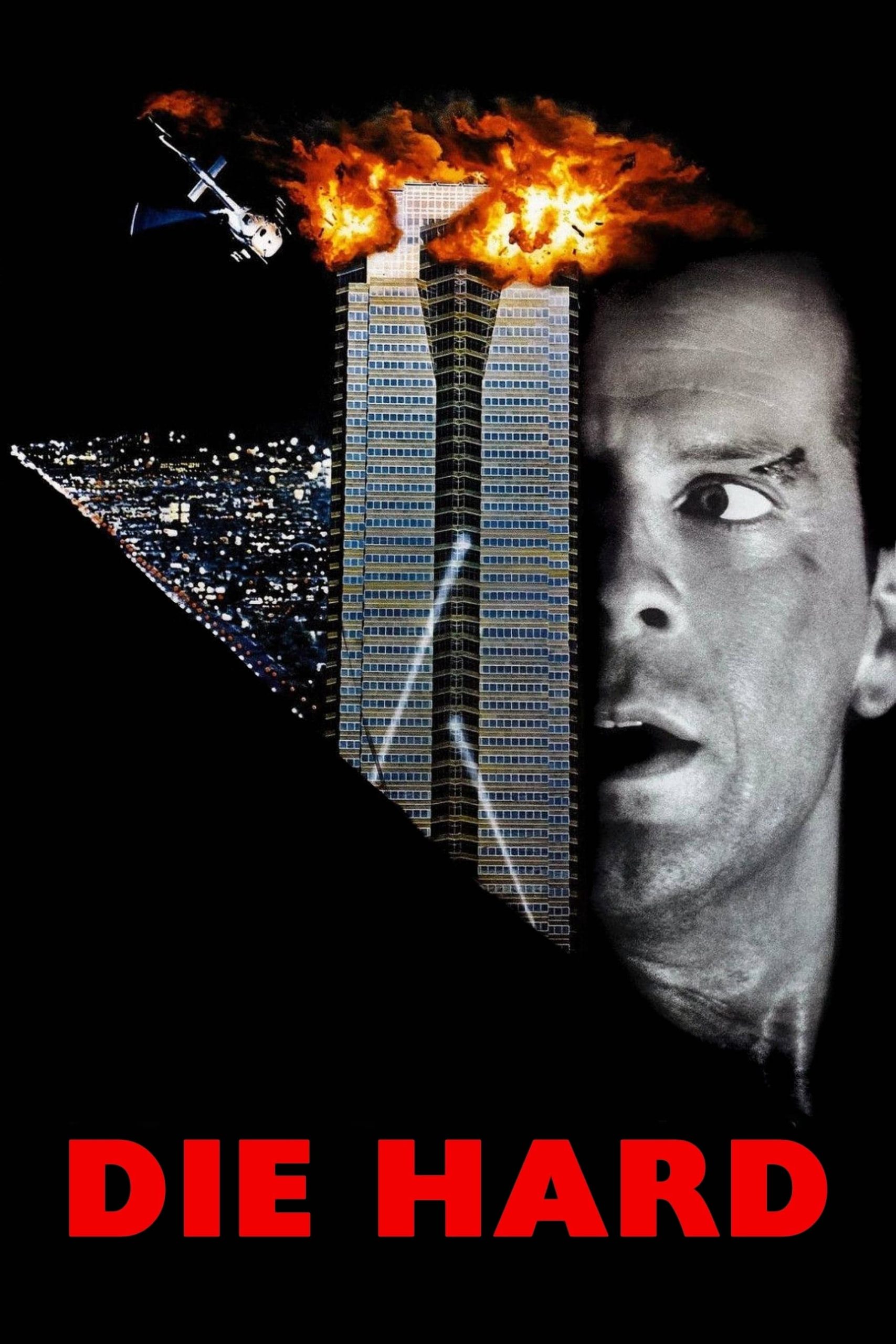
Is This Film Based on a True Story?
Whenever I watch “Die Hard,” I’m immediately swept into its relentless pace and high-stakes spectacle, but if I step back and consider whether it’s rooted in reality, my answer is that it’s not literally based on a true story. For me, “Die Hard” stands firmly in the camp of fiction. It doesn’t dramatize any specific real-world terrorist event or the exploits of an actual law enforcement officer. I’ve looked into its origins, hoping to discover real-life inspiration beneath the layers of broken glass and machine gunfire, but what I keep finding is that its foundation is squarely narrative rather than factual. However, its tangled lineage—a chain reaching through literature and film adaptations—does invite more nuance. While I can’t say it springs from a headline or a historical record, I see that its narrative began in a novel, not in a news report.
The Real Events or Historical Inspirations
Tracing “Die Hard” back to its roots feels like following a thread through multiple layers of storytelling. What fascinates me is that this movie didn’t leap, fully formed, out of someone’s recollection of actual events, but from the pages of Roderick Thorp’s 1979 novel, “Nothing Lasts Forever.” When I first learned this, it reframed how I viewed the entire franchise, because “Nothing Lasts Forever” is itself a sequel to Thorp’s earlier novel, “The Detective.” That earlier book inspired a 1968 film starring Frank Sinatra, and so the path to Bruce Willis’s iconic John McClane takes a few surprising detours through literary adaptation and Hollywood tradition.
But does the fiction trace any lines to historical reality? As I dug into Roderick Thorp’s biography, I found that he reportedly dreamed up the plot for “Nothing Lasts Forever” after having a vivid nightmare. There’s an anecdote circulating that Thorp, after seeing a 1974 disaster movie called “The Towering Inferno,” dreamed about a man being chased through a skyscraper by armed attackers. This dream, borne out of cinematic inspiration rather than actual events, led to his novel. For me, that emphasizes how “Die Hard” wasn’t conjured out of real headlines, but rather out of the imagination responding to other fiction. There are no equivalent terrorists taking over an L.A. skyscraper in reality, no lone cop named John McClane who battled real-life criminals atop a Christmas Eve cityscape.
As I delved further, I noticed that some elements within the fictional world of “Die Hard”—for instance, Euro-terrorists, corporate targets, and infrastructural vulnerabilities—do echo contemporary anxieties of the 1970s and 1980s. These fears made their way into public consciousness thanks to headlines about international terrorism and high-profile building attacks, especially in Europe and the Middle East. While these headlines shaped the era’s atmosphere, in my view, they provided more of a thematic background than a specific inspiration for “Die Hard.”
What Was Changed or Dramatized
What stands out to me as I reflect on “Die Hard” is how substantially its creators reshaped their source material for the big screen. The most dramatic difference between the film and “Nothing Lasts Forever” is the character at the center of the story. In Thorp’s novel, the protagonist is Joe Leland, an aging, retired police detective. When I think about what makes John McClane so compelling—a physically vulnerable and witty everyman—it’s clear to me that this was a significant change. Bruce Willis’s McClane is younger, more physically agile, and his wisecracking humor makes him relatable in ways that diverge from Thorp’s world-weary Leland.
Other alterations catch my eye as well. The circumstances of the siege differ; in the novel, the building under attack belongs to the Klaxon Oil Corporation, and the criminals are motivated primarily by political causes, mixing personal and ideological motives. In translating this to film, the creators transformed the villains into high-tech thieves masquerading as terrorists, and the building became the fictional Nakatomi Plaza, a setting with Japanese corporate overtones reflecting the economic anxieties of the era. Alan Rickman’s Hans Gruber, suave and calculating, strikes me as a major departure from his more coldly ideological literary counterpart.
Perhaps most significantly, the movie places a sharper emphasis on spectacle, timing, and suspense. Chases, firefights, and feats of daring—like McClane leaping off the rooftop tied to a firehose—feel tailored for cinematic impact rather than literary realism. The violence is stylized and the pacing relentlessly tense, making the story feel less like a grounded thriller and more like a new high-water mark for action cinema. I see that the personal stakes also shifted: the movie makes McClane’s estranged wife Holly the central hostage, deepening the emotional conflict. This decision changes the narrative from a story about an older man’s quest for redemption to one about a fractured marriage imperiled and ultimately strengthened by extraordinary events.
Even the geographical details transformed. Instead of New York or San Francisco, the filmmakers set the story in Los Angeles, giving it a sun-soaked, West Coast energy. I think these changes weren’t accidental; they tuned the narrative to American cinema’s appetite for brisk storytelling and larger-than-life personalities. If I compare book and film, the liberties taken are substantial, not just in plot and character but in the very mood and message of the story. Rather than faithfully retelling “Nothing Lasts Forever,” the film’s adaptation process strikes me as unabashedly inventive, pushing the narrative in directions distinctly its own.
Historical Accuracy Overview
For me, the notion of historical accuracy in “Die Hard” is more about its reflection of cultural anxieties and the climate of the late 1980s than about literal reenactment. It’s a film that pulses with energy from its own invented reality, not one tethered tightly to facts. That said, I’ve always been struck by how convincingly “Die Hard” portrays certain patterns—like the protocols of hostage negotiations, the structure of police response, and some technical aspects of emergency infrastructure. When McClane uses CB radios, or when law enforcement sets up perimeters outside the building, it’s clear that the filmmakers paid some attention to the real-world playbook. Even so, many details diverge; for instance, a single NYPD cop happening to be present while a terrorist plot unfolds and single-handedly intervening would be extremely unlikely in reality.
On the antagonist side, the conception of Gruber’s crew as a blend of international mercenaries and criminals mirrors fictional anxieties more than actual terrorist cells of the time. Their elaborate heist plan, replete with explosive locks and computer hacking, struck me as pure movie embellishment rather than a plausible scenario from history. The technological aspects—the sophistication of Nakatomi Plaza’s security system, the ease of bypassing vaults with just the right amount of bravado—belong to the realm of cinematic invention. Security experts have weighed in over the years, often pointing out that the film’s depiction of emergency protocols, building codes, and law enforcement tactics is shaped less by fact than by need for suspense and dramatic reversals.
Another aspect that rings fictional to me is the physical endurance and pain tolerance McClane demonstrates. Crawling through air ducts, escaping massive explosions, and continuing to fight despite wounds make him compelling but also set him apart from real police officers or first responders. His feats are designed for maximum impact and suspense, rather than strict realism. Even the media portrayal—television news crews brashly interfering with police operations, broadcasting details that endanger lives—reads as a pointed exaggeration. While such tensions exist, the events play out at a pitch that belongs more to the movies than anything I’ve found documented in factual sources.
Still, what resonates most for me is how “Die Hard” channels the vibe and fears of its time: high-rise architecture as both technological marvel and potential deathtrap, anxieties about terrorism and crime networks, and evolving notions of masculinity and heroism. Its fingerprints are those of a fiction responding to the atmosphere of a specific era rather than a torn-from-the-headlines retelling. The most accurate thing I find about “Die Hard” is how well it bottles a very late-’80s mood—tense, kinetic, simultaneously skeptical of authority and yearning for lone-wolf redemption.
How Knowing the Facts Affects the Viewing Experience
For me, discovering that “Die Hard” is not adapted from any true account, but from a layered history of literary inspiration, colors how I experience the film. I enter the story differently when I know that every sequence—the creative violence, the daring stunts, even the sharp dialogue—is the result of unabashed invention. This understanding actually lets me enjoy the film’s audaciousness all the more, since I’m not distracted by comparisons to real people or real historical trauma. I can marvel at McClane’s improbable survival and ingenuity without the tension of measuring it against reality.
I also find that this knowledge releases me from the expectation that the film might shed light on actual law enforcement procedures, hostage response, or the psychology of real terrorists. Any insights are filtered through the lens of Hollywood storytelling, not through documentary fidelity. This, in turn, shifts the film’s impact: the catharsis I feel after Bruce Willis’s battered, bloodied hero prevails isn’t about seeing real-life justice enacted but about participating in an archetypal drama where a nobody can become a somebody under pressure.
Every time I rewatch “Die Hard,” I’m reminded to approach its details—the malfunctioning police bureaucracy, the comically arrogant FBI agents, the stylish villainy of Hans Gruber—as elements of a heightened world designed to entertain, not to serve as reference points for real-world events. This aligns my expectations accordingly. I stop parsing the film for accuracy and start attending to the way it frames action, heroism, and vulnerability. It frees me to enjoy the suspense and surprise for what it is: cinematic craftsmanship shaped by genre and nostalgia, not by the rigors of historical recreation.
When I talk to friends or fellow enthusiasts about “Die Hard,” I find that understanding its origins—especially its roots as a sequel novel and its transformation for the screen—often deepens our appreciation. Knowing that Frank Sinatra could have played the protagonist in an earlier adaptation is a fascinating twist, one I think about every time Bruce Willis cracks a joke or dangles from a ledge. There’s something liberating about realizing that every explosive set piece is engineered for maximum fun, not maximum verisimilitude. I don’t feel shortchanged by this; if anything, I relish the clarity it offers. I can watch the Nakatomi Plaza saga as a self-contained thrill ride, an original story defined by movie logic, not by historical testimony.
Ultimately, learning about the film’s complete fictional foundation doesn’t diminish its impact for me. If anything, it underscores how powerfully movies can sculpt their own legends, borrowing the energy of real-world anxieties without being constrained by facts. “Die Hard” stands, in my mind, as a landmark of invented heroics—and knowing the facts simply sharpens my appreciation for the artistry behind its unforgettable mayhem.
After learning about the film’s origins, you may want to see how audiences and critics responded.
🎬 Check out today's best-selling movies on Amazon!
View Deals on Amazon