
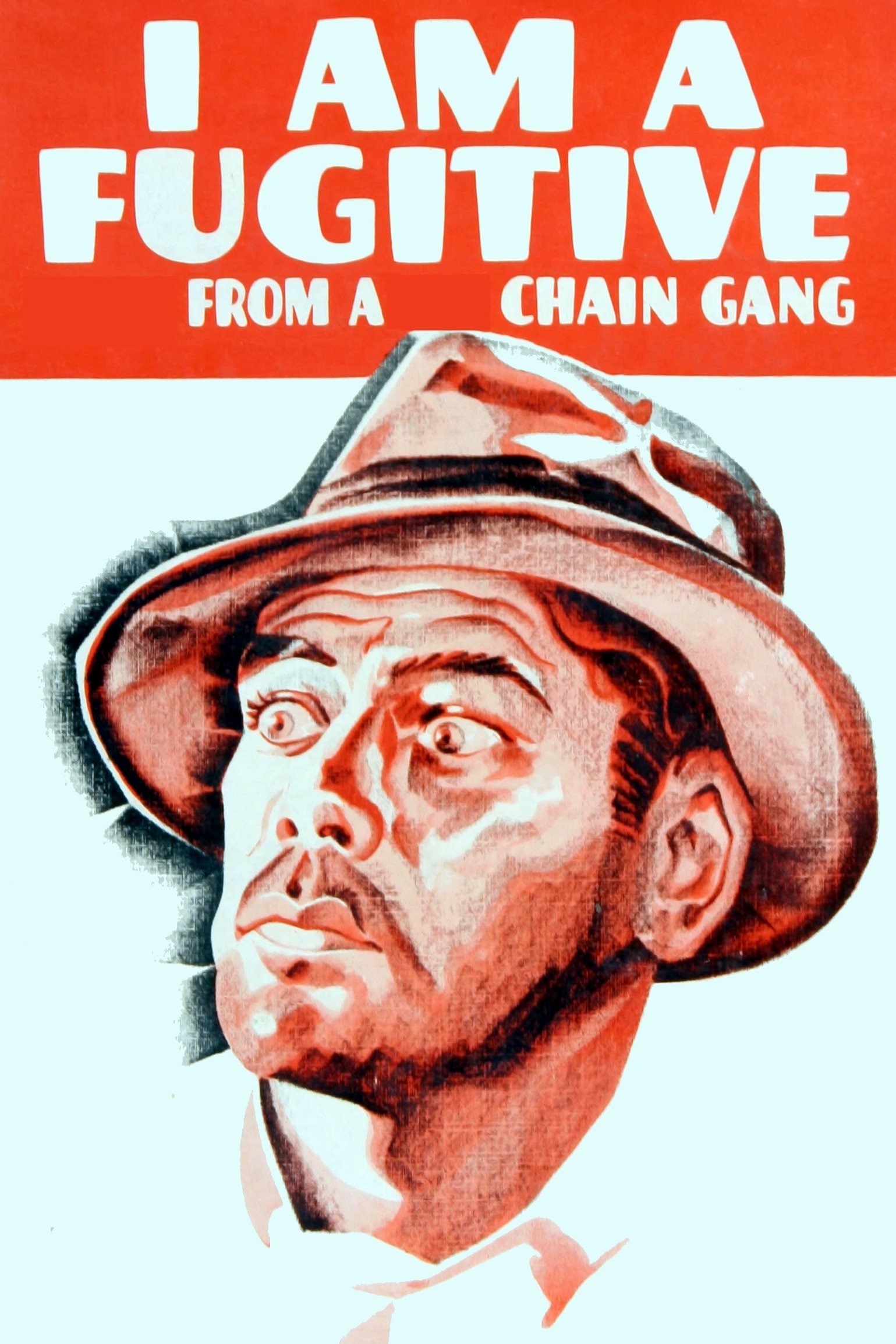
Is This Film Based on a True Story?
I’ve always been deeply drawn to films that claim to reveal something buried in the fabric of real life, and “I Am a Fugitive from a Chain Gang” made that personal connection hit home. As I sat with its imagery and intent, it became clear to me that this film isn’t just a work of fiction or a loosely inspired tale—it’s rooted directly in real events. The narrative basis is solidly factual, as the screenplay adapts the actual autobiography of Robert Elliott Burns, a man whose harrowing ordeal with the Georgia chain gang system in the early twentieth century sent ripples through American society. For me, the line between art and reality dissolves in this film: it is absolutely based on a true story, even if the nature of adaptation always means some contours shift in translation.
The Real Events or Historical Inspirations
As I explored the background of this film, the raw immediacy of its inspiration struck me. The movie closely follows the memoir “I Am a Fugitive from a Georgia Chain Gang!”, published in 1932, which is Robert Elliott Burns’s firsthand account. What makes this adaptation so compelling to me is how little distance there is between the lived experience and its cinematic representation. Burns, a World War I veteran, found himself caught in a web of injustice when, after a series of personal misfortunes during the postwar depression, he participated in a minor robbery out of desperation.
His subsequent entanglement with the Georgia penal system, specifically the chain gang labor camps, forms the backbone of both his autobiography and the film. Burns’s descriptions of forced labor, brutality, and his desperate escape efforts are not just drawn from a single incident; they reflect widespread conditions faced by prisoners across the American South at the time. I found it remarkable that so much of the film’s content can be traced directly to places, dates, and documented abuses that filled labor-camp headlines and congressional records during the 1920s and 1930s.
My research led me to see that Burns’s story was widely publicized, both in newspaper serializations and in his book. When the film premiered, audiences brought their own awareness of these social realities into the theater, thanks to journalistic exposes and reform movements of the era. The film’s protagonist, James Allen—though renamed—mirrors Burns down to crucial details: his war service, the ill-fated robbery, his escape, and the agony of fugitive life. I’m moved by how directly the story draws from a real person’s urgent need to reveal systemic injustice, making the film almost as much an act of documentary testimony as scripted drama.
What Was Changed or Dramatized
One aspect that fascinates me whenever I confront a “true story” on screen is the interplay between fact and narrative shaping, and “I Am a Fugitive from a Chain Gang” is no exception. While the general trajectory of James Allen’s experience mirrors that of Robert Elliott Burns, the specifics are molded for maximum impact. For starters, the film’s James Allen is distilled into a kind of everyman, whereas Burns’s own memoir includes a complex set of motivations, relationships, and personal contradictions that are necessarily streamlined for clarity and pace.
The infamous robbery scene, as depicted in the film, was as shocking to me as it was to audiences in 1932, yet it is simplified compared to the real event. The character’s participation in the crime is portrayed as almost accidental—a product of unfortunate circumstance and poor judgment—whereas the true Burns was a more ambiguous participant, and the motives surrounding the event were murkier according to his own account. The film’s choice here strikes me as a deliberate effort to increase sympathy by shading Allen as more victim than accomplice.
Another dramatized element comes in the portrayal of relationships. For example, the character of Marie, James Allen’s landlady and eventual blackmailer, is a fictional compression of a variety of real people from Burns’s life. In the memoir, there were actual marital and romantic entanglements, but not in quite the melodramatic form seen on screen. I sense that filmmakers accentuated these tensions not merely for romantic subplot, but as a way to emphasize the suffocating web in which Allen/Burns found himself ensnared.
Perhaps the most striking dramatization, and the one that lingers for me long after the credits, is the film’s closing scene. James Allen’s chilling fade into darkness, forced back into hiding with the unforgettable line about how he survives—“I steal”—is not a direct recreation of any particular moment in Burns’s real fugitive existence. It’s a brilliant condensation of the despair and ongoing trauma he described. In real life, Burns continued to seek redemption and even contributed to the reform of the chain gang system, but the film leaves Allen’s fate open, unresolved, and more symbolic than literal. This choice amplifies the political critique embedded within the story, and while not historically precise, it feels emotionally true to me.
Historical Accuracy Overview
Weighing the film’s accuracy against the record, I see a striking fidelity to the atmosphere and essence of the crimes and punishments endemic to the southern penal system during the period. The labor camps weren’t Hollywood fiction: chain gangs, horrendous living conditions, and systemic brutality were all documented in government reports and contemporary journalism. Burns’s published story brought these injustices into the national conversation, and so when I watch the scenes of forced labor, exhaustion, and abuse, I can connect them directly to reports from groups such as the Southern Conference for Human Welfare and investigations led by journalists like Jack Alexander of The Saturday Evening Post.
However, I notice some important distinctions between the precise events of Burns’s case and the film’s version. The timeframe of Allen’s story is compressed; real events transpired over several years, whereas the film’s pace is brisk and relentless. The secondary characters—other prisoners, chain gang officers, and townspeople—serve as composite figures rather than direct historical analogues. In my view, this doesn’t reduce the authenticity so much as provide a dramatic shorthand.
Another inaccuracy lies in the modes of escape and pursuit. Burns’s actual escapes, while daring, were logistically more complicated—relying on the help of contacts and the inefficiency of Southern law enforcement rather than sheer will and cunning. By distilling these down to a handful of pulse-quickening sequences, the film sidesteps some of the messy, bureaucratic reality that actually surrounded escape and recapture.
Perhaps most notably for me, the broader reforms sparked by Burns’s revelations are absent from the narrative. In historical reality, Burns’s public account contributed directly to the scrutiny and gradual dismantling of state-run chain gang systems. The social aftermath was profound, including attention from state governors and national organizations. The film prefers to focus on the individual’s suffering rather than the collective outcome—a powerful choice, but one that distances the screen story from the full arc of history documented in period records.
How Knowing the Facts Affects the Viewing Experience
Coming to this film with knowledge of its origins, I find my emotional engagement turns sharper, more complicated. I can’t simply receive it as fiction. The grimness of the chain gang scenes, the sense of hopelessness, the bureaucratic indifference of various authority figures—they’re painfully resonant when I remember that these were lived, not invented experiences. The film’s power is magnified for me by my awareness that millions of viewers in 1932 were seeing onscreen what they had only ever read about in newsprint.
Understanding that “I Am a Fugitive from a Chain Gang” is not an allegorical drama but a mirror held up to a real system makes its haunting moments all the more immediate. I’m conscious that the picture it paints, while dramatized, drew directly from congressional testimony, interviews, and Burns’s memoir, all readily available to contemporary audiences. The literal truth of these events makes the film’s political sting sharper for me—this isn’t just melodrama, but an act of witness.
At the same time, recognizing where the factual record ends and dramatic necessity begins enables me to appreciate the choices the filmmakers made to reach a mass audience. The emotional compression—distilling years of suffering into a sequence of cinematic shocks—gives me a window into how injustice can paralyze not just individuals but entire communities. I notice the film’s decision to focus on Allen’s solitary despair rather than social redemption makes for a more ambiguous and disturbing conclusion, one that’s perhaps less historically comforting but more universally haunting.
I also have a new respect for the ways in which movies like this can help change the world beyond just their run time. Knowing how the real Burns’s story helped galvanize public support for penal reform brings me back to one of the oldest debates in art: can cinema really make a difference? When I watch this film with full awareness of its real-life impact, I see evidence that yes, truth-telling through drama can spur reform, inspire legislation, and shape cultural memory. Rather than standing apart from reality, the film invites me—and anyone willing to scratch beneath the surface—into a dialogue with the past.
The viewing experience, for me, becomes layered: I’m not just keeping company with a fictional fugitive, but bearing witness alongside the millions who, through Robert Elliott Burns’s courage and the film’s unflinching adaptation, glimpsed a hidden chapter of American history.
After learning about the film’s origins, you may want to see how audiences and critics responded.
🎬 Check out today's best-selling movies on Amazon!
View Deals on Amazon