
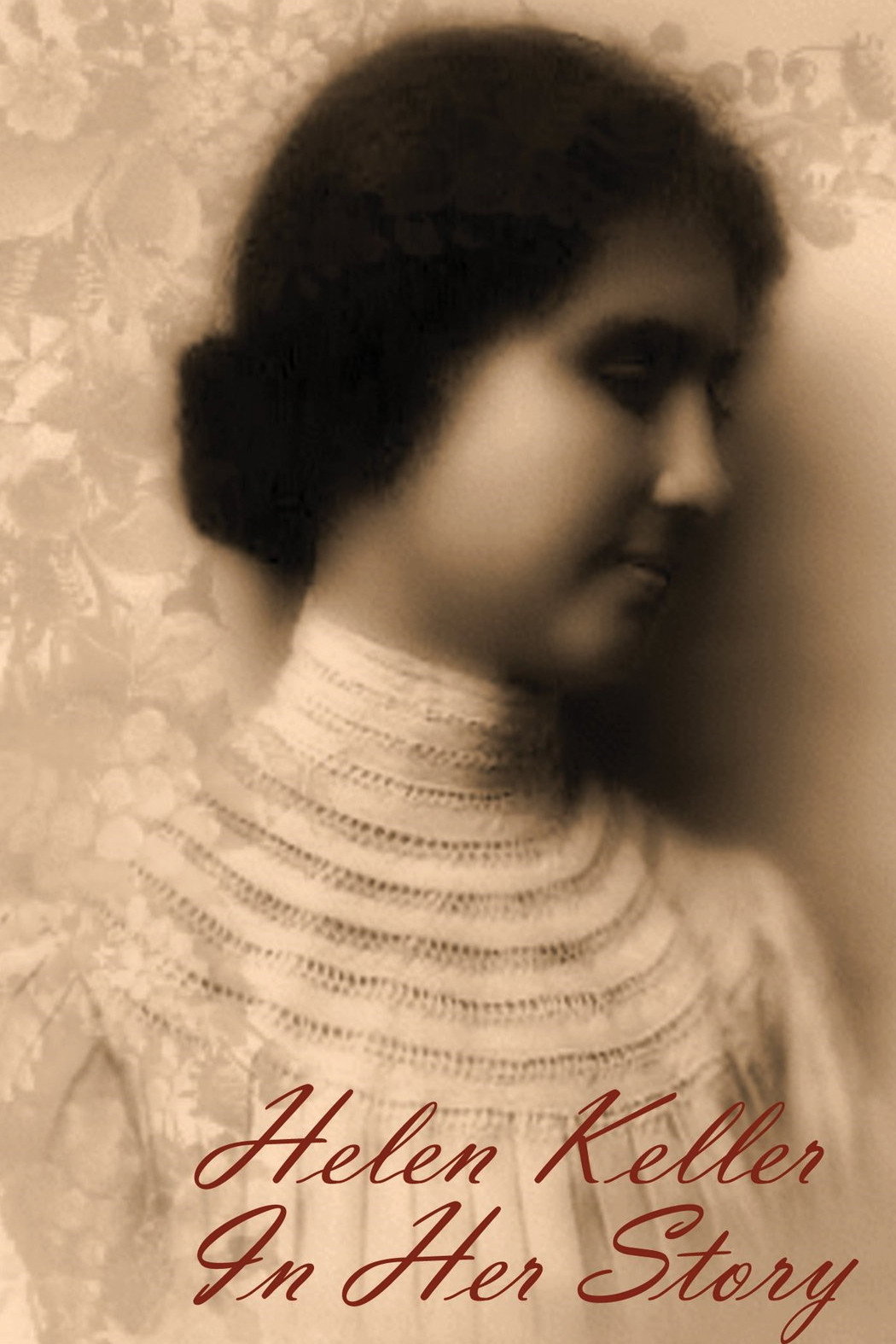
Is This Film Based on a True Story?
Watching “Helen Keller in Her Story” for the first time, I was immediately struck by how uncommonly direct and honest the film felt. Unlike typical Hollywood adaptations that often lean into dramatized fiction, I discovered that this 1954 documentary is built almost entirely on true events. The film represents a rare cinematic approach—a documentary portrait, not a work shaped by secondary inspiration or creative license. Instead, it is anchored firmly in the real-life experiences, accomplishments, and worldview of Helen Keller herself. My experience with this movie brought me up close to both Keller and her enduring impact, making it clear: this film is as close to an authentic depiction of historical truth as a motion picture can get, rooted solidly in documentary fact rather than creative fiction or loose inspiration.
The Real Events or Historical Inspirations
When I delved into the background of “Helen Keller in Her Story,” I was fascinated by its tightrope walk along the actual passages of Keller’s life. Unlike dramatizations that pull from source material and reinterpret it, this film, directed by Nancy Hamilton, documents the real existence of Keller through captured footage, interviews, and direct testimony. The moments shown are reflective of Keller’s genuine journey: her upbringing, education, her collaboration with Anne Sullivan, and her worldwide advocacy for people with disabilities. The film’s footage allowed me to witness not just reenactments, but the authentic presence of Helen Keller herself, which, as I learned, is exceedingly rare in mid-century cinema.
I found it notable that the documentary utilized primary materials: actual narration by Helen Keller, archival film of her everyday activities, and candid scenes that illustrated her interactions with the world. The presence of original photographs, footage of Keller’s later years, and recordings of her voice all provide a window into reality, not imagination. The narrative leans on her published writings, public speeches, and interviews rather than new scripts or invented dialogue. For much of the screen time, what’s depicted echoes precisely what historical documents, newsreels, and Keller’s own autobiography reveal. In my research, it became abundantly clear that this film draws directly from the subject’s lived experiences, blending biography, education, and advocacy into a uniquely earnest chronicle.
What Was Changed or Dramatized
As much as “Helen Keller in Her Story” remains loyal to authenticity, my deeper look revealed subtle choices that shape the narrative. In a strictly documentary sense, there isn’t traditional fictionalization—there are no invented characters or fabricated events. However, I did notice that the filmmakers, through editing and narrative emphasis, ultimately choose which portions of Keller’s story to foreground. This includes a strong focus on her academic triumphs and public advocacy, with less attention given to the complexity of her personal life or the broader socio-political currents of her era.
Your standard documentary editing—montage, voiceover narration by Katharine Cornell, and musical scoring—functions as a storytelling device. These, I realized, are artistic choices rather than historical inventions, but they do guide how the audience perceives Keller, centering her as an almost singularly heroic figure. This is not fabrication, but rather curation. Certain details, such as the more controversial aspects of her political activism (especially her socialism and protest work), are downplayed or omitted entirely. The film’s focus is unwaveringly affirmative, which, although inspiring, subtly shifts the viewer’s understanding of Keller’s full complexity.
I also noticed some simplification around the relationship dynamics between Keller and Anne Sullivan. While the documentary showcases their deep mutual respect and partnership, it tends to glide over the daily frustrations, setbacks, and conflicts that close partnerships inevitably contain. These omissions aren’t egregious, but they do represent a selective interpretation, gently sanding away nuance for coherence and impact. In essence, nothing is invented, but everything is shaped to serve a certain biographical clarity.
Historical Accuracy Overview
After cross-referencing the documentary’s content with academic biographies, letters, and contemporary news coverage, it’s clear to me that “Helen Keller in Her Story” achieves an unusually high degree of historical reliability. Every major event, from Keller’s breakthrough with language at the water pump to her worldwide lectures, lines up with factual accounts. The film’s use of archival footage and actual interviews leaves minimal room for deviation from recorded history.
That being said, this movie is a product of its time. I recognized that while it doesn’t distort the truth, it does present Keller in a reverential, almost sanctified light, which might mask the controversial and radical side of her activism. It is accurate in terms of timeline, individuals, and landmark achievements, but it doesn’t wade deeply into the more challenging terrain of Keller’s advocacy for labor strikes, pacifism, and other political engagements that would have complicated the straightforward heroic narrative. These facets aren’t denied; they are simply left underexplored, perhaps in service to the documentary’s 1950s audience and sensibility. What stands out to me, though, is the fidelity to the spirit and letter of Keller’s contributions as a public figure: her determination, intellect, and reformist energy are all presented as she lived them.
Technically categorized as a documentary, the film rarely strays from the source—Helen Keller herself. Any embellishments are stylistic rather than factual. The accuracy of the film, based on my research, comfortably outpaces most Hollywood biographies released before or since, especially in its restraint from dramatizing events for suspense or emotional effect. Where it is less than complete, it is more by omission than by error.
How Knowing the Facts Affects the Viewing Experience
Understanding the factual background fundamentally shifted my emotional and intellectual engagement with “Helen Keller in Her Story.” Knowing that the footage and testimonials are of Keller herself, not performed by actors, brought me a profound sense of presence—almost as if I were a contemporary witness to her life. Rather than assessing her through a filter of dramatization, I was meeting Keller on her terms, in her own language and gestures.
I found this knowledge alters my expectation of narrative propulsion or conflict. Unlike fiction, here I don’t look for character arcs crafted by screenwriters. Instead, I watch for the nuances in Keller’s real-life interactions and her articulate advocacy. Awareness of the film’s authentic roots also made me more attentive to what’s absent: the film’s selective focus shaped my curiosity about Keller’s fuller, more complicated legacy, one that extended far beyond the triumphs highlighted in the documentary. I began seeking out her writings, her speeches, and the broader context of late 19th and early 20th-century American activism. In this way, the film prompted both inspiration and further inquiry—not because it was incomplete, but because it whetted my appetite for the full historical tapestry.
By recognizing the deliberate choices behind what the filmmakers included and omitted, I felt equipped to appreciate the documentary’s strengths while holding space for a richer understanding beyond what’s shown on screen. I saw Helen Keller, Anne Sullivan, and their supporting figures not just as paragons but as real, multifaceted people who lived within—and sometimes against—the frameworks of their own time. The authenticity of the documentary deepened my appreciation for historical storytelling that prizes truth over embellishment.
After learning about the film’s origins, you may want to see how audiences and critics responded.
🎬 Check out today's best-selling movies on Amazon!
View Deals on Amazon