
Is This Film Based on a True Story?
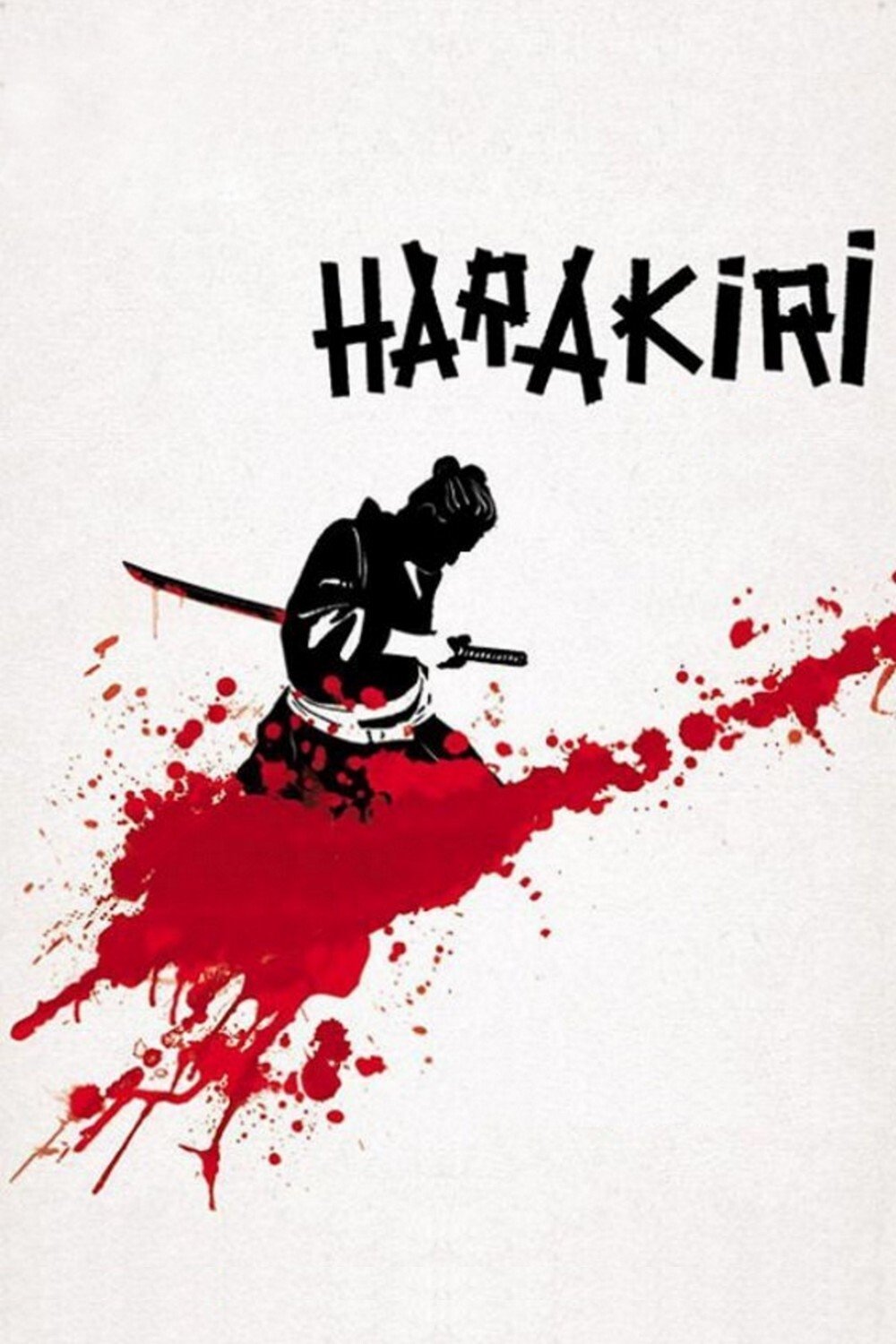
When I first encountered “Harakiri” (1962), I couldn’t help but be struck by its emotional gravity and the devastating critique of feudal Japanese society. As I delved into the background of the film, I was eager to discover whether its story came from the pages of history or entirely from the creative minds behind it. After immersing myself in research and comparing notes on this film’s origins, it became clear to me that “Harakiri” is not based on a specific true story or an actual historical event. Rather, it is a work of fiction, crafted with close attention to the spirit and climate of early Edo period Japan. The script, penned by Shinobu Hashimoto, doesn’t dramatize a single real-life incident or adapt a documented biography. Instead, it draws thematically from samurai ethics, the tradition of seppuku (harakiri), and the lived realities of ronin during the Tokugawa shogunate.
Though it may feel, at times, achingly authentic and grounded in plausibility, it is not a true story. I recognize that this fictional foundation doesn’t diminish the haunting reality that saturates every frame—the film intentionally mimics the tone and circumstances of historical events, yet the central narrative remains a constructed tale poised to interrogate broader truths about samurai culture and moral hypocrisy.
The Real Events or Historical Inspirations
My examination of “Harakiri” led me down several fascinating corridors of Japanese history. I found that the film’s authenticity stems from its meticulous recreation of the social hierarchy and tensions of the early 17th century, especially for masterless samurai (ronin) left adrift after long periods of war. During the culturally transformative Tokugawa era, many samurai lost their roles as retainers, faced poverty, and suffered from shifting codes of honor. I recognized in the film a pointed reflection of these larger societal patterns: the disenfranchised samurai, the rigid codes of bushido, the specter of ritual suicide as a demonstration of honor, and the importance placed on status and facade.
I learned that while no historical record matches the story of Hanshirō Tsugumo or the specific events of the House of Ii as depicted in “Harakiri,” the broader phenomenon was both real and well-documented. I uncovered scholarship and period writings that detail instances in which destitute ronin would request the right to commit seppuku in a daimyo’s courtyard, sometimes as a desperate ploy for charity or employment. This “suicide bluff” (or “Harakiri at the Gate” legend) circulated as a cautionary tale among clans, though most historians agree that these were rarely actualized as dramatic spectacles. I noticed the parallels are strongest in the atmosphere of suspicion and the escalating tensions between humanitarian impulse and bureaucratic rigidity.
On a creative level, I also discovered that Shinobu Hashimoto based his screenplay on a novella titled “Ibun rōhōden” (A Strange Incident from the Ronin’s Story) by Yasuhiko Takiguchi. The novella wasn’t a factual diary but a literary fiction that explored similar themes. “Harakiri,” therefore, is rooted in literature that itself was inspired by social realities rather than precise events.
What Was Changed or Dramatized
As someone who has spent years analyzing adaptations and their relationship to fact, I’m always on the lookout for what a director and screenwriter elect to dramatize for effect. In “Harakiri,” I saw a purposeful intensification of personal tragedy and moral conflict, which to my mind makes the film’s central story both timeless and heightened. The figure of Hanshirō—his quest for justice, his meticulous dismantling of the house’s hypocrisy, and his ultimate fate—appear to be fashioned explicitly to critique institutional cruelty.
In my assessment, a major alteration arose in the film’s treatment of ritual suicide. The agony depicted—particularly the harrowing scene involving a bamboo blade—seems designed to viscerally shock the viewer and underscore the system’s callousness. While seppuku was undeniably brutal, contemporary descriptions from the Edo period do not detail quite so theatrical a failure of ritual, especially involving a bamboo weapon. I see this as a conscious narrative device, distilling the tension between societal expectations and human frailty.
The political structure depicted in the House of Ii—a clan concerned above all with appearances and protocols, erasing any trace of scandal—likely exaggerates tendencies found across many real-life clans, but consolidates them into a single antagonistic force for clarity and dramatic impact. I noticed that specific dialogues and timelines, while plausible, are fictionalized to maintain suspense and to demonstrate the inexorable grinding down of the protagonist beneath layers of rigid authority.
Another major dramatized element, in my view, is the film’s cyclical treatment of history and the idea that individual suffering can be entirely erased from institutional memory. While this is thematically powerful, it reframes the specificity of life in the Tokugawa era, focusing less on documented testimony and more on philosophical questions about honor, memory, and official records.
Historical Accuracy Overview
Approaching the film as a student of history and storytelling, I noticed a rich interplay between accuracy and creative liberty that defines the film’s appeal. On the one hand, I am impressed by the period realism: the settings, costumes, and etiquette depicted by director Masaki Kobayashi feel authentic and reflect extensive attention to archival detail. The social stratification, the handling of swords and armor, the architecture of samurai compounds, and even the gestures used in formal meetings strike me as thoroughly researched.
More than that, the existential plight of the 17th-century ronin, stripped of their previous privileges after the establishment of Tokugawa peace, is accurately rendered. Select scholars, such as Ivan Morris and Donald Keene, have noted how “Harakiri” captures the psychological malaise that shadowed Japan after the Sengoku (Warring States) period ebbed into the peace of the Edo era. The mounting anxiety over role, resources, and legacy for once-powerful samurai is a credible reflection of historical change.
However, when scrutinized as a document of literal fact, I recognize that “Harakiri” remains a dramatization, not a documentary. Neither Tsugumo nor Motome Chijiiwa existed outside the narrative, and the climactic events—particularly the methodical unmasking of the clan’s hypocrisy and the mass fight scene—are inventions in service of deeper critique. I also noticed that the bureaucratic ruthlessness and complete erasure of individual suffering, while plausible, are pushed to extremes as a form of condemnation rather than reportage. Other aspects, such as clan politics and the symbolic display of hair knots or armor, reflect interpretations and thematic priorities rather than a strict account of daily life.
So, if I’m asked how historically accurate “Harakiri” is, my answer would be nuanced: it channels the emotional and social realities of the early Edo period but does so through a fictional lens. The events did not literally occur, but the dilemmas faced by the characters, and the ironies of their situation, are deeply rooted in truth as I understand it from historical study.
How Knowing the Facts Affects the Viewing Experience
When I first watched “Harakiri,” not knowing the full story of its origins, I experienced it as an almost mythic tragedy—a damning parable about power, pride, and the impossibility of justice under rigid tradition. Learning about its purely fictional roots has not diminished the film’s impact for me; if anything, my appreciation deepened. I realized that, while not retelling an actual incident, Kobayashi and Hashimoto recast the moral consequences of an era into an accessible narrative that resonates on both personal and universal levels.
For me, understanding that “Harakiri” is not a direct adaptation of any one life or event foregrounds its larger ambitions. I am prompted to view the film not as a work of historical reporting, but as a mirror held up to the unspoken truths of the period. The knowledge that countless ronin struggled with genuine poverty, humiliation, and the limits of social mobility infuses each scene with poignancy. The film’s presentation of seppuku, now that I know it is dramatized with creative license, transforms from a simple act of ritual into a symbol of all rigid codes that undermine compassion and humanity.
The absence of a singular source does not detach the film from reality—instead, it liberates me (as an analyst and a viewer) to engage with the questions it raises: How does a society reconcile its ideals with the inevitable suffering of its lowest members? When is ritual a form of justice, and when does it become cruelty? I recognize echoes of these ruminations in both personal histories and official records, even if the central “Harakiri” story is not factual.
For anyone approaching the film with expectations of documentary accuracy, I believe it’s useful to recognize “Harakiri’s” allegiance to truth as a philosophical stance, not a checklist of events. The emotional authenticity and period detail, for me, make the moral lessons of the film feel credible—even if the specifics are imagined.
Knowing the facts changes the way I process the film’s message; I feel freer to interpret the story as a cautionary tale that asks timeless questions about authority and humanity, rather than a story with historical closure. I also think this knowledge can attune viewers to the careful way in which the filmmakers have honored the spirit of the era, even as they have constructed their own narrative. That awareness magnifies the film’s impact for me—enriching its ethical dilemmas, and sharpening my sense of how fiction can sometimes better express the truths of history than any single chronology might.
After learning about the film’s origins, you may want to see how audiences and critics responded.
🎬 Check out today's best-selling movies on Amazon!
View Deals on Amazon