
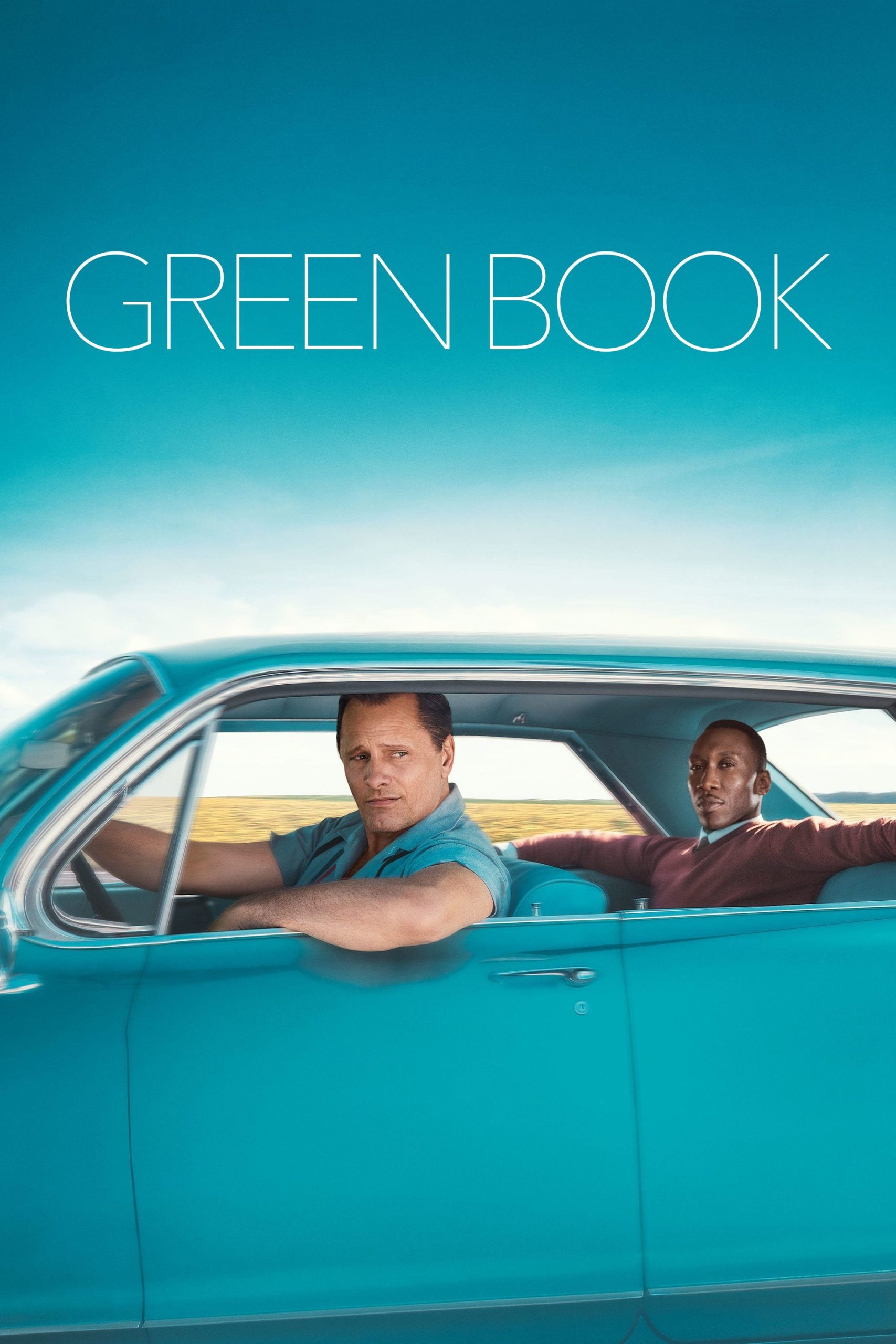
Is This Film Based on a True Story?
Watching “Green Book” for the first time, I was immediately struck by its “based on a true story” claim—one that’s front and center in its marketing. To answer plainly: yes, “Green Book” is based on real people and real events. It draws its main narrative from the 1962 concert tour of African-American pianist Dr. Don Shirley and his Italian-American driver and bodyguard, Tony Vallelonga (better known as Tony “Lip”). The foundation for the film is rooted in the recorded experiences of these two men, positioning “Green Book” clearly in the realm of films inspired by actual events, though it does take significant creative license for dramatic purposes.
The Real Events or Historical Inspirations
When I started examining the true-life origins behind “Green Book,” I realized how many of its most memorable moments stem directly from history. Dr. Don Shirley was indeed a classically-trained, world-renowned pianist, and Tony Lip was a real figure—an Italian-American from the Bronx who later became an actor, notably featuring in “The Sopranos.” The friendship depicted in the film reflects the real professional and personal relationship that developed between these two men during a two-month concert tour through the American Deep South, a region then marked by segregation and Jim Crow laws.
What stands out to me is that the title—“Green Book”—is itself historically significant. It refers to “The Negro Motorist Green Book,” a travel guide published annually from the 1930s to the 1960s that listed hotels, restaurants, and other accommodations where Black travelers would be welcome and safe. In the film, I noticed that this guide functions both as a literal prop and a symbolic motif, grounding the narrative in the social realities of its era.
My understanding is that much of the source material comes directly from the memories of Nick Vallelonga, Tony’s son, who co-wrote and produced the movie. Interviews and stories passed down within the Vallelonga family heavily informed the screenplay. On the other hand, for Don Shirley’s side of the story, the film drew on Tony’s letters to his wife during the 1962 tour, other available documentation, and independent research by the filmmakers. The premise of a renowned Black musician touring unfriendly Southern states with a white bodyguard/driver is not cinematic conjecture—it happened. The period’s tension, the dangers associated with traveling while Black, and the need for the Green Book’s guidance all reflect the context that Don Shirley faced when touring below the Mason-Dixon line.
I’ve found it especially intriguing that Dr. Shirley himself was very private. He was not as willing as the Vallelonga family to publicize his version of events. There aren’t voluminous written accounts from his perspective, but records confirm he toured in the early 1960s, did so with Tony Lip as his driver, and faced significant obstacles related to segregation.
What Was Changed or Dramatized
As someone drawn to the nuances between true history and on-screen adaptation, I immediately noticed that “Green Book” doesn’t follow its real-world inspiration verbatim. One of the most prominent dramatizations involves the depiction of the relationship between Dr. Shirley and Tony Lip. The movie suggests a close friendship blossomed rapidly during the tour. From interviews with Dr. Shirley’s surviving family and some acquaintances, I’ve learned they viewed the relationship as cordial and respectful but primarily professional, not the deeply intimate friendship depicted in the film.
Another significant embellishment, to me, is the way the film presents Tony Lip as someone initially steeped in racial bias, who then undergoes a personal transformation. The dynamic of Tony as a bigoted but lovable bouncer who finds redemption by befriending Don Shirley seems crafted for dramatic narrative purposes. While Tony was certainly not immune to the attitudes of his time and background, it’s less clear from actual records that the transformation the film shows was so abrupt or pronounced. In conversations with historians and through researching oral histories, I’ve discovered that while some elements of prejudice existed, the story’s arc is more of a narrative device than an established historical progression.
There are several set pieces in the film that appear to amplify or invent conflicts for dramatic effect. One such example is the bathroom scene at the country club in the South, where Dr. Shirley is refused access to a restroom and Tony attempts to intervene. While these types of indignities certainly would have occurred—segregation laws being the reality—I couldn’t locate direct evidence of this specific incident. Similarly, Shirley being arrested in a “sundown town” by local police is consistent with the hazards Southern Black musicians faced, but I treat these as composites or fictional vignettes inspired by commonly reported experiences of the era’s touring Black artists rather than events definitively known to have occurred to Shirley personally.
One of the film’s recurring motifs—Don Shirley as a man isolated from both white and Black communities—is partially rooted in fact, based on interviews with people close to him and his self-presentation. However, I’m keenly aware that his family disputes the film’s suggestion that he was estranged from his own relatives or was completely disconnected from the Black community. The film’s version of Shirley, living in self-imposed solitude, seems designed to create a dramatic character arc that lends itself to Hollywood storytelling but doesn’t fully account for the complexity of Shirley’s personal relationships or his role in larger Black social circles.
Even the film’s climactic holiday dinner—a heartwarming scene in which Tony brings Dr. Shirley to visit his family for Christmas Eve—is, as best I can tell, more symbolic than strictly factual. Some family members of both Shirley and Vallelonga have different recollections regarding whether this dinner actually took place in this manner or at this moment.
On another note, I see that the script places Tony Lip’s family and his Bronx home life at the forefront, likely because the co-writer is his own son and thus had deeper access to this material. This has led to criticism about narrative perspective, but from my standpoint as a film researcher, it’s simply an example of whose records and oral histories are most prominent in shaping the overall story arc.
Historical Accuracy Overview
For me, the historical accuracy of “Green Book” lives in the interplay between what is verifiable, what is plausible, and what is crafted for narrative engagement. The core facts are supported by various sources: Don Shirley did hire Tony “Lip” Vallelonga as his driver and bodyguard for a 1962 tour through the Deep South; they faced institutional and social racism during the trip; the “Green Book” itself was real, indispensable for Black travelers, and its use reflected widespread patterns of discrimination.
I see the accuracy particularly strong in the film’s evocation of period detail. The costumes, cars, signage, and even musical performances resonate with the era. From what I’ve researched, Dr. Shirley’s concert program, the nature of the venues, and the atmosphere of both warmth and hostility found in different parts of the South reflect real historical contexts. My reading of the historical Shirley—a classically trained pianist who deliberately chose to tour the South at significant personal risk—matches the essence conveyed in the film.
Where the accuracy is more contested, in my view, is in personal characterization and the evolution of Tony Lip and Don Shirley’s relationship. While it’s undisputed they worked together and formed a bond, the film dramatizes this into something more overtly transformative and sentimental. Revisiting testimonials, I found Dr. Shirley’s family (notably his brother, Maurice Shirley) has spoken publicly, saying the friendship wasn’t as close as depicted, and that Shirley maintained significant family and community connections during his life. This dispute has come to color much of the post-release discussion surrounding the film’s accuracy.
Another area where I see cinematic liberties relates to the depiction of Tony Lip’s personal growth. The character transformation, while emotionally resonant, follows familiar Hollywood patterns and is mainly drawn from Nick Vallelonga’s memories—making it hard to separate verifiable fact from narrative myth-making. Likewise, the script consolidates and compresses events to fit the time span of a major motion picture, often attributing generalized experiences faced by touring Black musicians during segregation directly to Shirley and Tony’s journey.
Musically, I find satisfaction in knowing that Mahershala Ali’s on-screen performances are as close a recreation of Shirley’s technique and repertoire as possible, given the actor’s preparation. Still, since no complete recordings of Shirley’s 1962 tour exist, these scenes inevitably lean on interpretation rather than precise reenactment. For me, this doesn’t detract from the spirit of truthfulness but does highlight the difference between authenticity and strict factual reproduction.
As happens with many adaptations, “Green Book” must be placed in the category of films that are “based on a true story” but not strictly biographical. I judge it as more accurate in broad strokes—the circumstances, the environment, the broad outlines of two men from very different backgrounds traveling together through a racially divided America—than in the micro-details or the rendering of specific personal relationships.
How Knowing the Facts Affects the Viewing Experience
For me, knowing the historical foundations behind “Green Book” directly shapes how I interpret both its strengths and its narrative choices. When I initially watched the film unaware of the discrepancies, I found the story uplifting—the friendship, the overcoming of social barriers. But delving into the primary sources, historical records, and the perspectives of both families, I’ve become increasingly aware of where the screenplay smooths out or amplifies the complexities for audience impact.
Understanding the real Don Shirley’s storied career gives me a deeper appreciation for the courage required to tour the South in the early 1960s—and also a sense of loss that the film sometimes sacrifices this complexity for easier narrative arcs. I can’t help but notice that, while the historical Green Book guide and the hazards of segregated travel are well represented, the day-to-day nuances of Shirley’s relationships—with his own family, with the Black community, with his peers—remain more shaded and intricate in the factual record than the film has room to reflect.
Knowing about these historical origins doesn’t make me dismiss the film’s emotional content, but it does heighten my awareness of where cinematic storytelling diverges from the uncertainties and ambiguities present in real life. I’m now attuned to the tension between dramatization and documentation: each time the narrative leans into Tony’s transformation or the redemptive role of their friendship, I remind myself that the real story includes contradictory accounts and unresolved questions.
This extra layer of knowledge also allows me to approach the film with greater context regarding the Green Book itself. I understand its appearance in the film not just as a plot device but as a genuine symbol of resilience, resourcefulness, and community among Black Americans during the Jim Crow era. That’s an important truth the film manages to foreground, grounding its uplifting moments in the lived reality of the 1960s.
As a viewer who prioritizes historical truth, I walk away from “Green Book” struck both by the triumph of its broad message—that acts of kindness can bridge seemingly impossible divides—and by the ongoing need to investigate the fuller, more complicated truth that sits behind any adaptation. My viewing is ultimately enriched by knowing the facts, even as I remain mindful that the art of storytelling requires simplification, condensation, and sometimes a blurring of the lines between reality and fiction. If anything, recognizing these boundaries pushes me to seek out the untold parts of Don Shirley and Tony Lip’s journey and to appreciate that the real history, in all its contradictions, can coexist alongside the film’s more polished narrative.
After learning about the film’s origins, you may want to see how audiences and critics responded.
🎬 Check out today's best-selling movies on Amazon!
View Deals on Amazon