
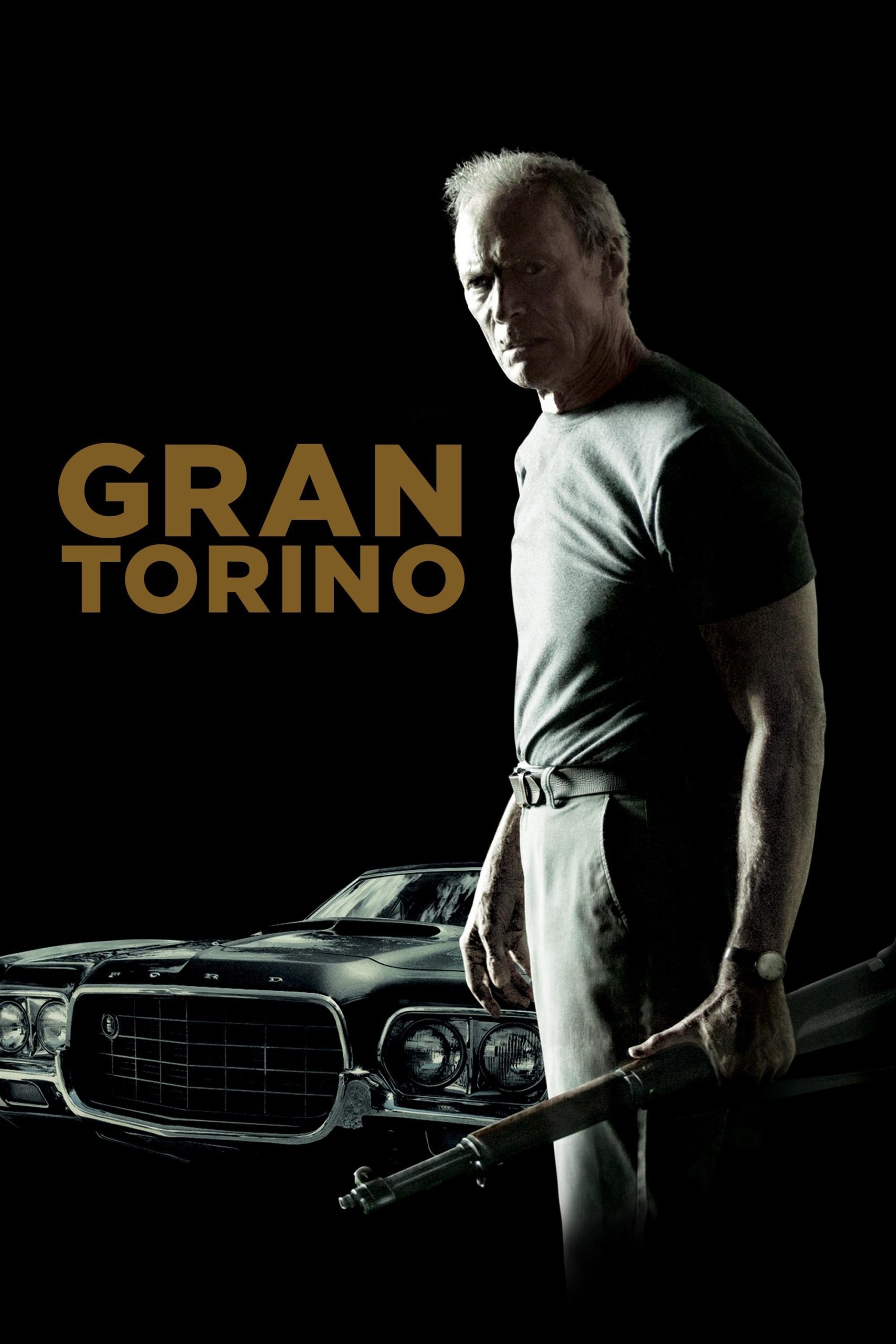
Is This Film Based on a True Story?
Watching Gran Torino for the first time, I couldn’t shake the feeling that it offered a window into a kind of American experience I’d glimpsed only in news stories or neighborhood anecdotes: one rooted in the aftermath of shifting demographics and the legacy of industry in places like Detroit. After researching whether the film was built on real people or events, I learned that Gran Torino is not based on a true story. The narrative, characters, and the setting—even the specific Ford Gran Torino at the center—are original inventions crafted for the screen, not dramatizations of actual events or individuals. As much as its gritty tone and lived-in environments evoke reality, the plot stands firmly in the realm of fiction. I discovered, though, that while the story itself isn’t pulled from a headline or memoir, there are ways in which its spirit is entwined with genuine social themes, especially those surrounding cultural change, immigration, and intergenerational conflict in post-industrial America.
The Real Events or Historical Inspirations
Even though Gran Torino isn’t a retelling of concrete historical events, I’ve noticed how its details seem meticulously researched and evocative of actual social dynamics from the late 20th and early 21st centuries. I dug into interviews and production materials, and it became clear to me that the film’s setting—a deteriorating Detroit suburb—is meant to reflect real patterns of population change, such as the movement of white residents out of urban neighborhoods and the influx of Southeast Asian immigrants, particularly the Hmong community, during the late 1970s and onward. The Hmong, who fought alongside the US in the Vietnam War and later immigrated to America following its end, truly did establish communities in the Midwest, including areas around Detroit, Minnesota, and Wisconsin.
Though Walt Kowalski, the Korean War veteran and Ford assembly line retiree, exists only as a fictional character, I see his story echoing the broader history of blue-collar workers from Detroit’s automotive heyday. The attachment to cars like the titular Gran Torino synthesizes pride and nostalgia—an attitude I recognize in real-life accounts of the era’s workforce. The screenwriters, Nick Schenk and Dave Johannson, have publicly discussed how their own observations in Minnesota’s working-class neighborhoods inspired elements of the multicultural clashes, though their writing drew mainly on composite experiences and hearsay rather than a single “true story.”
The film’s focus on Hmong Americans was another point that caught my attention. The filmmakers did consult with members of the Hmong community throughout the production process, and almost all Hmong roles were portrayed by first-time actors cast directly from local Hmong communities, adding a layer of cultural authenticity to the family and neighborhood scenes. Despite the lack of a specific “Walt Kowalski,” the emotional and social circumstances depicted in the film mirror challenges that emerged in several real Rust Belt neighborhoods undergoing transformation and economic struggle at the dawn of the 21st century.
What Was Changed or Dramatized
As I explored what aspects of Gran Torino were invented for cinematic impact, I found that much of the plot’s dramatic structure—Walt’s evolving relationship with his neighbors, his personal redemption arc, and the climactic confrontation with the local gang—are carefully constructed for storytelling, not drawn from verifiable incidents. There is no historical record of a Korean War veteran in Detroit dying in the circumstances depicted, nor of a Ford factory retiree’s heroic sacrifice for a Hmong family, though these narrative beats are powerfully evocative.
My research led me to understand that several plot points, such as the conflict with the Hmong youth gang and the eventual self-sacrifice at the climax, serve as narrative devices to accelerate Walt’s transformation from a bigoted, isolated widower to a figure of reconciliation and atonement. The particular motif of the Gran Torino car—representing lost pride, family history, and the passing of generational values—is a symbolic construction rather than an echo of real-life events. I also learned that the depiction of gang violence, although rooted in some realities faced by Hmong teenagers in urban American settings, was heightened for dramatic tension and to provide the stakes necessary for the film’s resolution.
I noticed that some elements, such as the rapid pace with which trust is developed between Walt and his neighbors, are necessary conventions for a two-hour film but differ from the slower, often more tentative dialogues that happen in the real world. Additionally, while the film strives for cultural authenticity, certain interactions and ritual moments involving Hmong traditions were compressed or simplified in ways that make sense cinematically but diverge from how these customs occur in daily life. I found that this blend of accuracy and creative license is common in films aiming to bridge understanding across cultures for a broad audience.
The portrayal of the Hmong gang in particular has been discussed by scholars and community members as a dramatization. While gang presence existed among some Hmong youth as a response to marginalization, most Hmong families did not experience the kind of direct, violent conflict shown in the movie. The movie’s depiction is, therefore, a compressed amalgamation of possible realities rather than an average experience. Many other scenes—such as interactions with the local priest, the reverence for American cars, or the use of slurs and harsh language—reflect a heightened reality designed to illustrate the cultural and generational disconnects the story wants to examine.
Historical Accuracy Overview
When it comes to evaluating the film’s fidelity to history, my analysis is that Gran Torino manages an intriguing balance between atmospheric authenticity and narrative invention. The backdrop of a predominantly white Detroit neighborhood in decline, the influx of immigrant families, and the central importance of automotive manufacturing are all grounded in documented demographic and economic patterns. I found research on Detroit’s changing composition during the late 20th century, including US Census data and studies on the Hmong diaspora, which closely match the background depicted onscreen.
The film’s representation of Hmong funeral rituals, language use (with many Hmong actors speaking their native language), and family dynamics does reflect reality to a notable extent. The filmmakers spent time consulting with community leaders, which is evident in several domestic and ceremonial scenes. Yet, as I looked for confirmation from Hmong community members, I saw that while some praised the respectful approach, others pointed out instances where traditions were truncated for pacing or clarity, resulting in a mix of accurate and stylized portrayals.
Walt Kowalski’s personal story—a journey from prejudice to empathy—is not taken from the life of any individual but instead serves as a symbolic figure of a generational archetype. His combat history as a Korean War veteran and his employment at the Ford plant are historically plausible, matching real biographies of men in similar neighborhoods. However, his personal transformation and the redemption narrative follow a storytelling arc rather than a historical one.
I also came across discussions about the film’s portrayal of racial conflict and neighborhood decline. While real tensions and misunderstandings certainly occurred in neighborhoods undergoing demographic change, the pace and intensity of the antagonism depicted onscreen were condensed for dramatic purposes. This sort of narrative compression—amplifying conflicts, speeding up relationships, and distilling complex social histories into digestible storylines—is a standard practice in Hollywood, but it means viewers should separate the film’s “truth” from the historical record.
Overall, I feel the movie uses individual and communal archetypes to express wider themes of tradition, displacement, and reconciliation. The accuracy lies more in the broad strokes than in the fine details, with the lived emotional reality given more weight than strict factual precision.
How Knowing the Facts Affects the Viewing Experience
My own understanding of Gran Torino changed noticeably after learning about its origins and the blend of fact and fiction at its core. Realizing that the film is not a retelling of one person’s story freed me to appreciate it less as a documentary of a single life and more as a parable about changing times. For me, the knowledge that no “real Kowalski” existed didn’t make the central themes any less poignant—instead, it illuminated the film’s efforts to synthesize communal histories into a story that could resonate across a broad spectrum of experiences.
I found that knowing the filmmakers were attentive in depicting Hmong traditions and actively sought community involvement made the cultural scenes richer and more grounded. At the same time, understanding where dramatization heightened or altered real-life experiences—especially with the gang dynamics—reminded me to distinguish symbolic narrative moments from average lived experience. This awareness tempers my expectations, especially regarding depictions of violence and reconciliation, and allows me to notice the film’s shorthand rather than assuming it is a mirror held up to a specific family or block.
Learning about the methodology behind the portrayal of the immigrant experience and urban changes gave me new appreciation for the film’s layered approach. It made me more alert to the implications of representing cultural friction onscreen: the story blends true-to-life material with storytelling needs, and that can color how audiences perceive actual history. I also think that viewers walking into Gran Torino expecting a biopic or documentary will need to recalibrate. The film partakes of realism to give weight to its narrative but ultimately adheres to the conventions of dramatic fiction. I’m struck by how its universal elements—aging, regret, family, xenophobia, and redemption—resonate because they draw from familiar, if generalized, American patterns rather than any single true tale.
As a film analyst, I believe this contextual knowledge invites a more thoughtful viewing. It prompts questions about whose stories are represented, how they are shaped for the screen, and what the process of adaptation can amplify or diminish compared to lived history. For me, the value of Gran Torino lies less in its accuracy to a specific set of events than in its ability to provoke dialogue about change and identity in American life. Recognizing the film’s creative liberties and respectful research enhances—not diminishes—my appreciation for the truths it seeks to communicate through fiction.
After learning about the film’s origins, you may want to see how audiences and critics responded.
🎬 Check out today's best-selling movies on Amazon!
View Deals on Amazon