
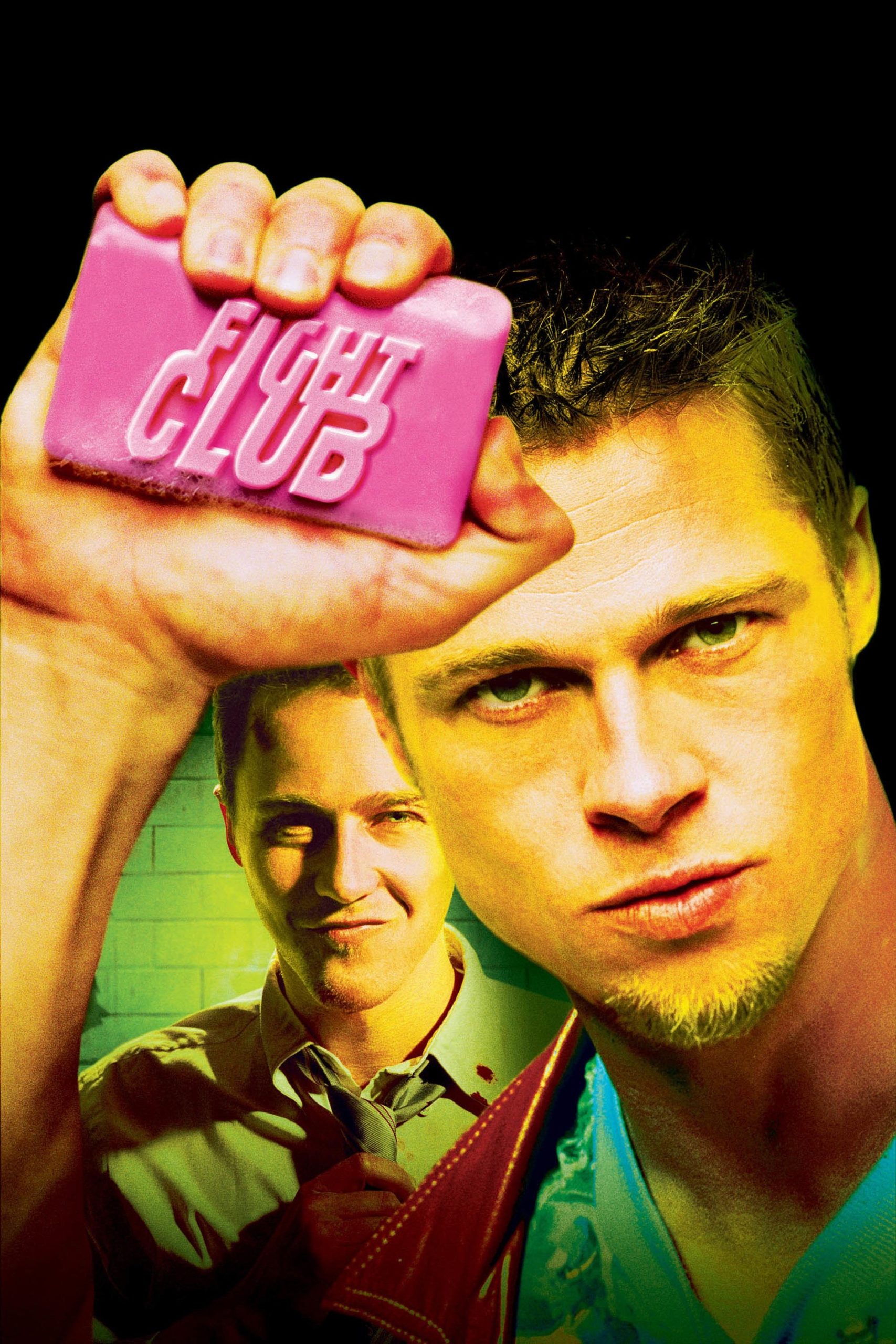
Is This Film Based on a True Story?
Whenever I revisit Fight Club, I’m always struck by how embedded it feels within late 20th-century cultural anxieties—workplace malaise, consumer overload, and a hollow sense of masculinity. Despite the intensity of these themes and their resonance with real social issues, I’ve learned that Fight Club is not rooted in documented factual events or the life story of any particular person. Instead, I consider it a work of complete fiction. The movie adapts Chuck Palahniuk’s 1996 novel, which itself stems from his imagination rather than actual events or real personalities. Sometimes, I am tempted to attribute its rawness to real experience because of how convincingly it channels societal disillusionment, but every time I dig, I land back at the same spot: neither the film nor the original book is “based on a true story,” nor do they purport to be. They are products of creative invention, exploring universal undercurrents through wholly fictional means.
The Real Events or Historical Inspirations
As someone who’s spent time probing behind the scenes of film stories, I’ve come to understand that the closest thing to “real events” within Fight Club are the broader currents it mirrors from the culture of the 1990s. Palahniuk’s writing emerged from his personal observations about the monotony of modern work life, the commodification of identity, and the pressures men face in post-industrial society—but these are thematic reflections, not direct documentation. The novel’s formation, as Palahniuk described in interviews, was triggered by a personal incident: after being physically attacked while camping, he noticed his coworkers avoided asking him about his injuries, as if showing pain or engaging with real violence was too intimate or taboo. This realization inspired the novel’s central motif: suppressed rage and the yearning for visceral experience. But for me, it’s important to clarify that these circumstances never led to secret fight clubs, terrorist groups, or any sort of organized movement resembling the narrative. The “source material,” if I can call it that, is social malaise rather than historical record.
I do notice that many viewers recognize shades of real-life disaffection in the story. Economic stagnation, changing gender roles, and the alienating aspects of hyper-consumerist culture form the backdrop to both the book and the movie, but only in the sense that all fiction draws from the world its creator inhabits. Palahniuk has mentioned reading about underground boxing and observing support groups for people with illnesses, but he never claimed to have encountered anything like the world depicted in Fight Club. When I dissect the origins, I find no evidence of the actual “Project Mayhem” organization or widespread physical fighting groups with the same ideology as the film’s club. Instead, what feels “real” is the depth of frustration many have with the perceived meaninglessness of modern life—something I, and many others, can relate to but which exists as a broad societal mood rather than a specific, chronicled movement.
What Was Changed or Dramatized
Since Fight Club is drawn from a novel rather than real-life occurrences, my focus has always been on how the movie modifies and dramatizes Palahniuk’s original story to serve cinema’s needs. Director David Fincher and screenwriter Jim Uhls chose to heighten certain elements—the violence, the psychological twists, and the scale of the rebellion against consumer society. Some plot points are expanded or intensified in ways I suspect were designed to engage viewers more viscerally. For example, the “rules” of Fight Club are succinct and memorable on screen, but they operate as shorthand for more nuanced ideas about secrecy and loyalty in the book. Scenes of elaborate urban terrorism ramp up the book’s anarchic currents and turn a personal struggle with masculinity and self-destruction into something that threatens public order at large.
One dramatic transformation that always stands out for me is the portrayal of the Narrator’s dissociative identity disorder. The novel keeps his split identity hidden for much of the narrative, but the film leverages cinematic language to foreshadow and dramatize the reveal, using visual motifs, editing, and voice-over. The movie’s ending, showing the collapse of skyscrapers as the Narrator and Marla hold hands, is also more visually and emotionally climactic than its literary equivalent, underscoring a sense of sweeping societal upheaval.
Crucially, none of these changes are “corrections” to a historical record, but rather decisions to amplify mood and power. The gritty underground settings, the extremity of Project Mayhem’s plans, and the psychologically charged relationships are all crafted to serve an escalating narrative urgency. Sometimes, I think these choices make the story feel more “true” than it is, because they tap into fears and desires lurking just below the surface of everyday life—but again, it’s fictionalized experience, not dramatic retelling of documented history.
Historical Accuracy Overview
Approaching Fight Club from a film research standpoint, what always strikes me is how layers of “accuracy” and fiction intermingle when it comes to depictions of modern alienation. On the one hand, the movie does an extraordinary job at recreating the late-1990s atmosphere—down to the IKEA catalogs, glass office towers, support group rituals, and stylistic codes of masculinity. These are recognizable, rooted in the American urban landscape of the era that I remember and have come to research extensively. On the other hand, whenever I look for verifiable aspects—the names, the organizations, the events—in a factual sense, none of them cross over into documented history.
The concept of men meeting to reclaim lost masculinity through violence isn’t new; there have been fraternal organizations, boxing clubs, and even secret societies stretching back centuries. But the highly organized, cult-like nature of “Fight Club” and “Project Mayhem” is an artistic exaggeration. The psychological depiction of dissociative identity disorder (once called multiple personality disorder) has basis in clinical reports, but the way the film dramatizes the disorder—for suspense, twist, and thematic resonance—can’t be considered an accurate psychological case study. I often remind myself that even though the story reflects authentic struggles with identity, it shouldn’t be interpreted as a precise or literal representation of mental illness. It’s almost as if the film borrows the language and style of documentary realism but applies them to a wholly invented plot and characters.
Another area of pseudo-historicity lies in the film’s anarchist ethos—waging war against banks, corporations, and faceless institutions. Throughout 20th-century history, genuine anarchist and anti-capitalist groups have existed, some with radical aims, but Project Mayhem’s cartoonish extremity and success are inventions crafted for narrative shock. I haven’t found records of any organization that matches the scale or the methodology of the film’s group. Even the narrative’s smaller details, like using lye for chemical burns or manufacturing explosives from household goods, take their cues from popular mythology, not practical fact. When people ask me about the reliability of these details, I always stress: they’re meant to disturb, to provoke, and to plant ideas—but not to serve as historical or technical manuals.
So when it comes to “accuracy,” I’d summarize my perspective this way: Fight Club is painstakingly authentic in capturing an emotional and aesthetic mood, but it’s fundamentally inaccurate—or, more precisely, unconcerned with accuracy—in terms of factual events, real organizations, or documented individuals. I see it as a masterclass in fictional verisimilitude: it feels as if it could have happened, but it simply did not.
How Knowing the Facts Affects the Viewing Experience
Discovering that Fight Club is not built on true events always changes the texture of my viewing. I remember my first time watching the film, long before I picked apart its origins, when I interpreted the pulsing aggression and anti-corporate rhetoric as if they might have some subversive basis outside the screen—perhaps the echo of an underground network or a manifesto disguised as entertainment. Learning that it’s all invention made me reconsider why the movie hits so hard. It’s the emotional accuracy, not the historical accuracy, that matters here.
At the same time, knowing the fictional basis liberates me from feeling any need to verify or fact-check while I watch. Instead, I focus more on the psychological, philosophical, and social questions the movie raises: What does it mean to find meaning in a world of surplus and sameness? How does violence function as a metaphor for rebirth? Where does the drive for rebellion end and the dangers of extremism begin? For me, the detachment from history makes the personal, abstract questions feel even more pointed, as if they’re meant for me as an individual rather than as a commentator on documented events.
I’ve noticed, too, that discussions about the film’s “realness” often influence how people interpret its meaning. When audiences believe they’re seeing something grounded in fact, they might treat the story as a cautionary tale or a sociological case study. My knowledge that Palahniuk’s narrative is fiction—albeit spurred by very real social currents—allows me to approach it as a kind of dreamwork: it unlocks unspoken anxieties rather than documenting overt reality. This, in a way, invites richer, more personal engagement. I’m not trying to align the plot with the headlines, but instead letting it resonate with inner doubts and yearnings that feel universally modern.
Ultimately, for me, separating fact from fiction in Fight Club broadens the interpretive space rather than limiting it. I no longer feel compelled to ask, “Did this really happen?” and can instead ask, “Why does this feel true? What does it reflect about me, or about the world I’m part of?” That, I think, is both the risk and power of fiction so skillfully entwined with real social issues: it tricks me into thinking it’s history, then leaves me to reckon with the ways it mirrors my own world, without ever being beholden to factual accuracy.
After learning about the film’s origins, you may want to see how audiences and critics responded.
🎬 Check out today's best-selling movies on Amazon!
View Deals on Amazon