
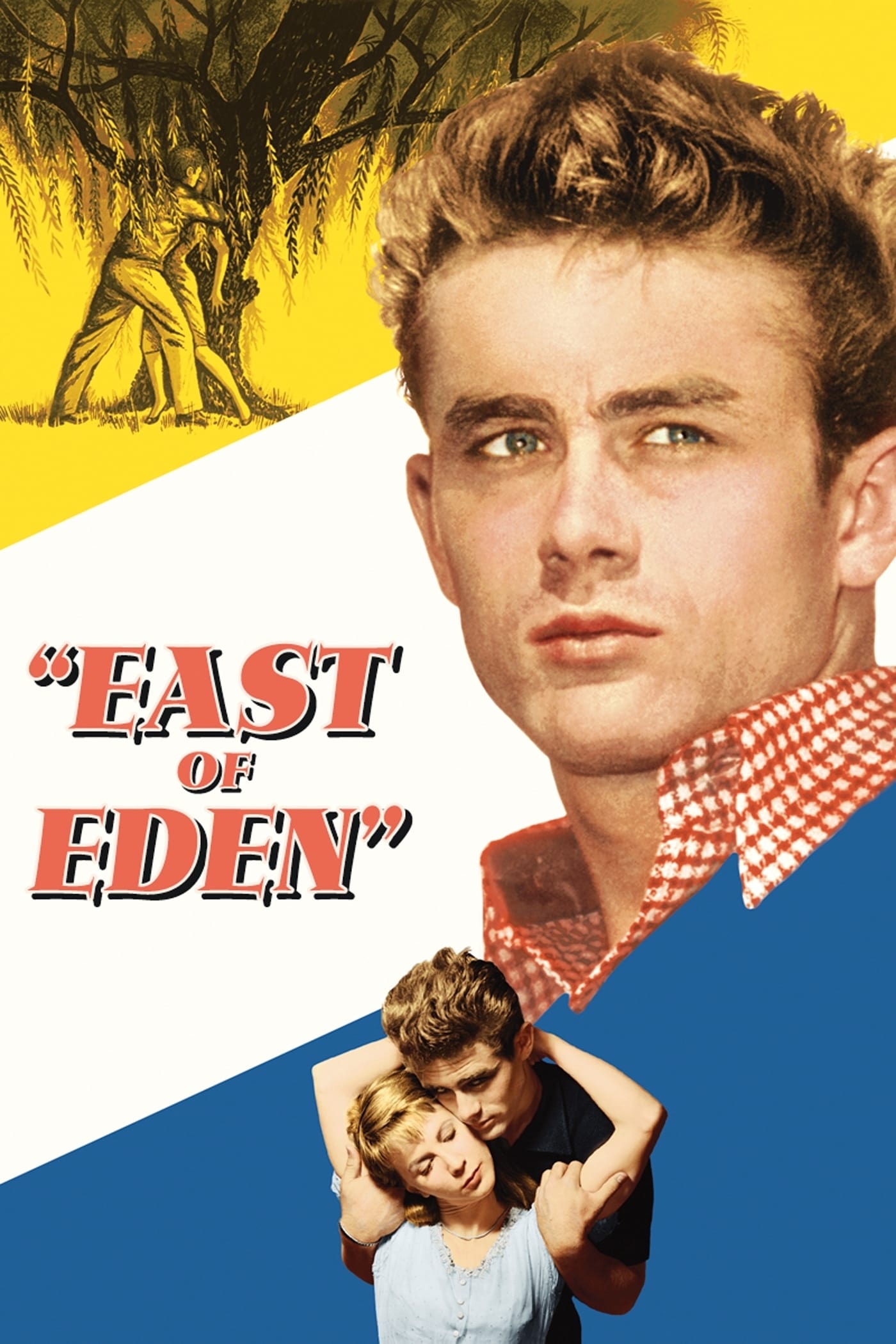
Is This Film Based on a True Story?
Whenever I watch “East of Eden,” I find myself drawn into its fevered family drama, but I eventually wonder: are these struggles rooted in actual history, or do they flow purely from imagination? For me, the answer is clear—this film is not based on a true story in a literal sense. Instead, it is an adaptation of John Steinbeck’s 1952 novel, which itself was conceived as a work of fiction. Steinbeck drew inspiration from his own family’s experiences and broader historical settings, but the plotlines, the characters, and the conflicts all spring from artistic invention rather than documentary record. When I consider how the film draws from the novel, I see that while the emotional undercurrents might echo real human experiences, there is no direct one-to-one mapping to actual people or events. So, in my analysis, “East of Eden” stands as a largely fictional narrative, albeit one textured by historical context and personal influences.
The Real Events or Historical Inspirations
While I never encounter any newspaper headlines or documented individuals at the core of “East of Eden,” I do notice threads tying the story to the real world. Steinbeck set his novel in California’s Salinas Valley during the years leading up to and including World War I, a setting he knew intimately from his own upbringing. I think about how Steinbeck’s own family—the Hamiltons—entered the narrative, albeit filtered and adapted for dramatic purposes. Adam Trask’s character, for example, owes certain echoes to Steinbeck’s maternal grandfather, Samuel Hamilton, yet quickly diverges into fiction. The setting—the lush, fertile land of the Salinas Valley, the pressures of small-town life, and the anxieties of an America on the brink of change—derives from Steinbeck’s memory and observation. But when I dig for a direct real-life Cal or Aron Trask, there’s simply nobody by those names that inspired the story. Instead, I see a patchwork: elements like the draft board controversy, the wartime fear, and the moral tension of the era reflect the historical climate of early twentieth-century California but aren’t literal reenactments.
Personally, what stands out to me is the novel’s biblical inspiration. Steinbeck structured the story after the biblical tale of Cain and Abel, exploring what he called the “one story” of human conflict and brotherhood. This is not historical in a factual sense, but rather literary—a kind of mythic archetype playing out in a specific American setting. Even as the film draws heavily from this source material, it is not reconstructing actual historical events; instead, it uses historical ambiance as a stage for deeper psychological and philosophical exploration.
What Was Changed or Dramatized
Every time I compare the film to Steinbeck’s novel, I recognize a series of significant changes—choices that shape the narrative into something distinctly cinematic. The most prominent alteration, in my view, is how the movie compresses and condenses the original story, focusing primarily on the final section of the novel, and narrowing in on the relationships among Adam Trask, his sons Cal and Aron, and the enigmatic Kate. This decision cuts away not just side characters, but whole swaths of family history and generational storytelling that Steinbeck originally explored in depth. As a viewer, I’m aware that the film only addresses roughly the last third of the novel’s events, introducing characters out of chronological order and simplifying many of their motivations for clarity and emotional impact.
Another dramatization that I notice is the portrayal of the sibling rivalry. Steinbeck’s narrative carefully crafts Cal and Aron as parallel to the biblical Cain and Abel, with their conflict simmering over pride, guilt, and paternal favor. On screen, this is heightened—there is an immediacy, even volatility, to James Dean’s portrayal of Cal that dials the drama to an intensity rarely matched in the source material. The film also reinterprets Cathy/Kate as a more straightforward antagonist, while in the novel her internal complexity—her history, motivations, and psychological torment—is more layered. The context of the war and the tension around Cal’s money-making scheme are also magnified, serving as clear plot drivers that nudge the themes of guilt and redemption into sharper focus. I sense that many of these choices were made to suit the pacing required by a two-hour feature, rather than the more sprawling, contemplative approach available to a novel.
It’s also noteworthy to me that some historical subtleties—details about everyday life, economic conditions, and shifting attitudes in the early 1900s—are streamlined or omitted. For instance, the film places less emphasis on the complexity of land ownership and agricultural hardship, or the ethnic diversity of the valley, both of which are explored in more detail in Steinbeck’s text. I find that this tailoring reflects the era’s filmmaking conventions: the need to maintain narrative economy, highlight star performances, and ensure broad audience appeal. The resulting film, while grounded in reality and keenly observant of human nature, is ultimately a work of distillation and sometimes simplification.
Historical Accuracy Overview
From my perspective as someone who closely examines historical films, “East of Eden” walks a fine line between authenticity and dramatization. On one hand, the film’s recreation of early twentieth-century Salinas feels convincing. The costumes, set designs, and references to World War I align with documented history from the period. I often appreciate how carefully the film places me in that era, capturing the rural landscape, the social customs, and the collective anxiety as the United States teeters on the edge of global conflict. The references to the draft board, small-town morality, and economic uncertainty track with what I know about the time and place.
However, where the movie departs from strict historical accuracy is, in my experience, in its selective portrayal of the community and the implicit focus on archetypal conflict rather than precise sociological detail. Key characters—Cal, Aron, Adam, Kate—are fictional, even as they speak to universal themes. Family dynamics, personal betrayals, and the search for forgiveness unfold in ways that might have happened but weren’t recorded anywhere outside Steinbeck’s imagination. To me, the biggest liberties are taken with emotional psychology; Cal’s rebellion and longing, Aron’s righteous innocence, and Adam’s wounded pride are heightened for emotional effect. Some elements, like the role of women in town or the treatment of “outsider” characters, are simplified to fit the film’s streamlined narrative.
When I weigh the film’s adherence to real historical backdrops—its accurate depictions of material culture and mood—against its embrace of narrative invention, I feel that “East of Eden” is historically plausible but not historically precise. It gestures toward actual psychology and cultural atmosphere but never claims or attempts to chronicle real lives with documentary fidelity. For me, this makes the film deeply resonant in a broader human sense, but not a source for literal historical knowledge of the Salinas Valley or the American home front in 1917.
How Knowing the Facts Affects the Viewing Experience
Every time I revisit “East of Eden” armed with knowledge of its origins, I find my own expectations reframed. Recognizing that the story is, at heart, a fictional adaptation of a literary work—not a biographical drama or strict historical record—frees me to focus on the emotional and symbolic content rather than question the literal accuracy of the depicted events. Understanding that Steinbeck drew inspiration from his childhood landscape but not from actual, identifiable people allows me to see the Trask family not as history lessons, but as vessels for exploring broader questions about morality, forgiveness, and the enduring pull of parental approval.
For me, the experience is enriched by realizing how the film’s setting forms a kind of mythic America—one shaped by the anxieties and aspirations of its era, but also by the timeless pulses of guilt, rivalry, and redemption. I notice more clearly the way James Dean’s performance, for example, does not aim to capture a real Salinas Valley resident, but rather a universal archetype of the misunderstood, yearning son. The knowledge that “East of Eden” rests on biblical themes and literary symbolism helps me interpret scenes not just for what they show on the surface, but for the deeper resonances lurking underneath: Cal’s act of giving money to his father, Adam’s struggle with disappointment, Aron’s desperate need to preserve his innocence.
On a different level, understanding the fictional nature of the plot invites me to pay attention to what the film says about the time and place, even as it deliberately alters or omits historical complexities. I don’t watch “East of Eden” for a lesson in agrarian economics or the diverse makeup of turn-of-the-century California society. Instead, I encounter it as a window into the collective memory and emotional landscape of the early twentieth century, filtered and transformed by artistic intervention. This does not lessen its impact for me; if anything, it heightens my awareness of how fiction and history intertwine, and how stories like these help us grapple with enduring human dilemmas across the ages.
After learning about the film’s origins, you may want to see how audiences and critics responded.
🎬 Check out today's best-selling movies on Amazon!
View Deals on Amazon