
Is This Film Based on a True Story?
Whenever I watch “E.T. the Extra-Terrestrial,” I am swept away by its heartfelt depiction of childhood, loneliness, and wonder. But if I peel back those emotions and ask myself whether this movie is rooted in actual events, my answer is fairly straightforward: “E.T.” is a work of pure fiction. I don’t see any direct ties to documented history or factual encounters with extraterrestrials, despite the film’s realism in depicting everyday suburban life and genuine emotion between its characters. For me, it’s a story born from imaginative storytelling, informed more by sentiment and fantasy than any specific chapter from the historical record.
The Real Events or Historical Inspirations
I’m always curious about the inspiration that drives iconic films like “E.T.,” especially ones that feel so emotionally real. In researching its background, I learned that the film grew out of Steven Spielberg’s personal experiences, rather than any incident involving alien contact. Spielberg has spoken freely about how his own childhood—shaped by his parents’ divorce—was the seed for this story. To me, this makes “E.T.” fascinating as a reflection of personal emotion, rather than public history.
The central friendship between Elliott and E.T. was, by Spielberg’s account, based on the imaginary friend he conjured during his parents’ separation. There was never a real alien encounter, nor do I see any evidence of the story tracing back to a specific event involving government agencies, missing children, or UFO investigations. What does exist, however, is the broader context of United States popular culture in the late 1970s and early 1980s, when fascination with UFOs and extraterrestrial life surged thanks to alleged sightings and prior films like “Close Encounters of the Third Kind.” So, while the mood of curiosity toward the universe influenced Spielberg, as far as actual origin, the film stands as an original tale.
I’ve also explored whether any urban legends or supposedly true stories informed the film’s premise. I haven’t found credible evidence of any such source. If anything, the only real-world material is indirect: the societal fascination with space, the wave of reports about alien abductions that flourished in the previous decade, and Spielberg’s earlier research for other projects. “E.T.” began as a darker sci-fi idea called “Night Skies,” but that was still a pitch, not an adaptation of an actual event as I understand it.
What Was Changed or Dramatized
Since “E.T.” was never based on a factual event or real-life encounter, I notice that virtually every aspect of the film was constructed for effect—from the look and behavior of E.T. to the emotional beats in the family dynamic. Spielberg and screenwriter Melissa Mathison created an alien that subverted the typical, sometimes menacing image of extraterrestrials by making him vulnerable, childlike, and expressive. I see this as a creative choice rather than a reframing of reported observations or physical descriptions of aliens from the UFO community.
I’m often struck by how the story uses familiar suburban settings and commonplace childhood struggles to anchor the fantastical element. This merging of the ordinary and extraordinary is, to me, what gives the film its power. Even so, nothing in the family’s ordeal—E.T.’s hiding, government agents’ pursuit, or the ultimate rescue—reflects official record or news accounts. It’s all engineered for maximum emotional resonance, not factual fidelity. I also note that the U.S. government response, with faceless agents and shadowy interventions, echoes a popular cinematic trope rather than any documented response to real events.
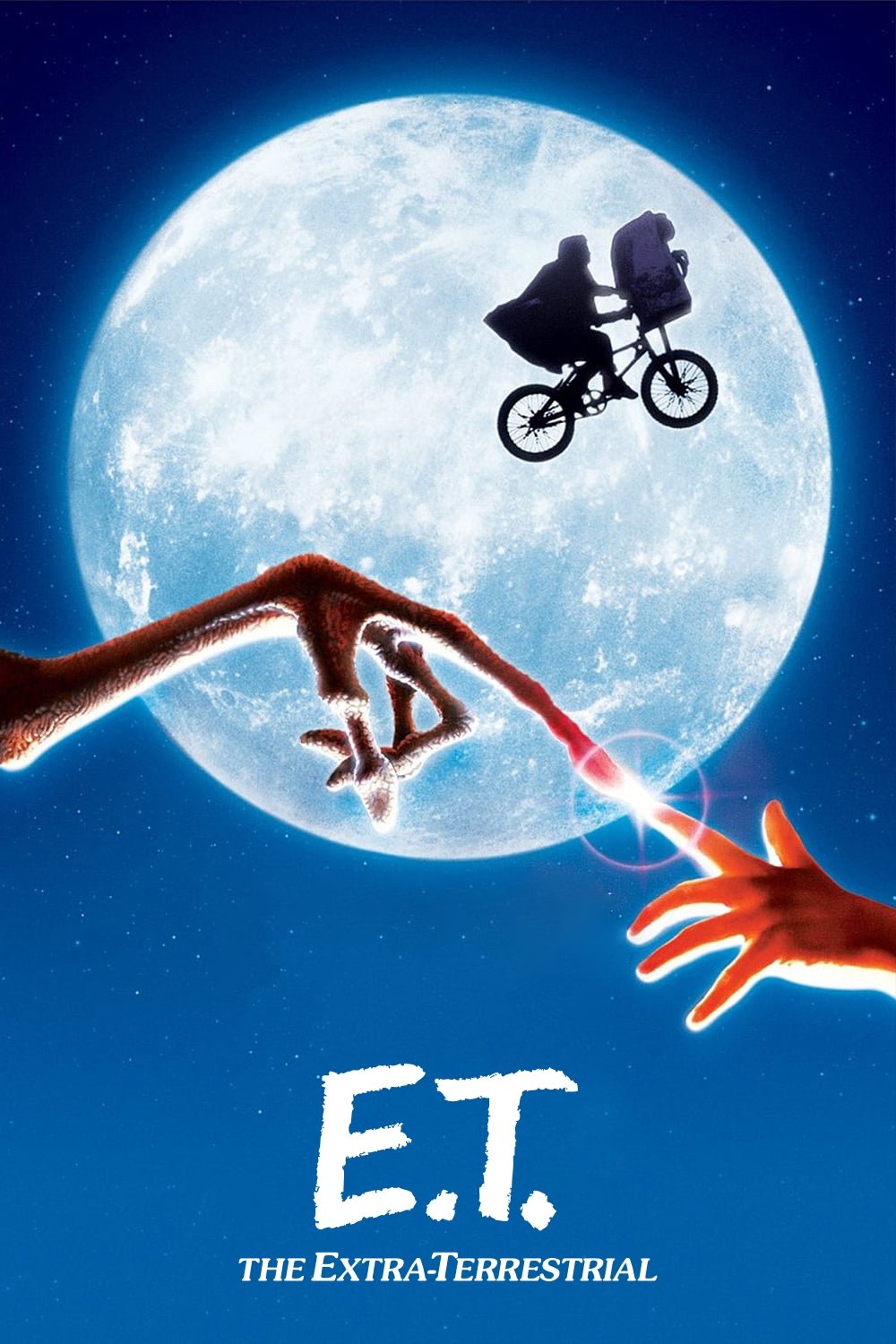
As someone intrigued by film origins, I find the design of E.T. particularly telling: his appearance was intended to evoke familiarity, kindness, and empathy, not to serve as a faithful rendering of any “real” sightings. The biology, technology, and abilities given to E.T.—such as telekinesis and healing powers—are, in my eyes, entirely products of storytelling needs. No documented accounts exist that match these characteristics outside of speculative fiction. That same creative license shaped every otherworldly aspect, from the glowing finger to the spacecraft’s silent majesty.
Historical Accuracy Overview
Whenever I assess a film’s historical accuracy, I ask two questions: does it strive to recreate specific real-world events, and does it reflect genuine conditions or ideas of its period? Watching “E.T.,” I’m clear that the narrative stands firmly in the realm of invention. No incident, government project, or documented testimony serves as a skeleton for E.T.’s arrival or his secret friendship with Elliott. As far as I can verify, there are no real blueprints for his spaceship or protocols for his rescue.
That said, I do appreciate how certain background details mirror American suburban life of the early 1980s—the layout of the streets, family structure, school environments, Halloween customs, and even the cultural products visible in the home. These aspects accurately situate the film in its own era, providing a subtle historical texture without making any claim to recount true events. In this sense, the film is authentic to the mood and rhythms of the time, just not its documented headlines.
If I consider whether the government’s role in the film reflects any particular real-world counterpart, I’d have to say not in any specific way. Agents in the film are generalized, almost archetypal, without connection to agencies or names linked to actual investigations into extraterrestrial phenomena. The science, too, departs from reality at nearly every point. For example, the idea that a young child could form a psychic bond with an alien creature, or that such a being could heal mortal wounds with a touch, has no parallel in either science or reported history as far as my research shows.
There are no verified policies, international protocols, or psychological studies cited by the filmmakers regarding first contact with non-human intelligence. Mythology and folklore about “visitors from the stars” exist cross-culturally, but “E.T.” borrows mainly from the legacy of speculative fiction rather than any historically attested encounter.
How Knowing the Facts Affects the Viewing Experience
For me, understanding that “E.T. the Extra-Terrestrial” is wholly a work of fiction actually liberates my appreciation for what the film accomplishes. Rather than testing its events against the yardstick of documentary believability, I find myself focusing on how the film explores themes of empathy, belonging, and the unknown. Knowing that Spielberg derived his inspiration from the emotional upheaval of his childhood, rather than any secret files or hidden truths, changes how I interpret that bond between Elliott and E.T.—it becomes a metaphor for the ways we find connection and understanding in times of upheaval.
If I had expected the film to reveal cryptic truths about government secrets or hidden contact with aliens, I might have missed its actual subject. Now, as someone aware of the film’s imaginary roots, I approach it as an emotional allegory about friendship and the aching need for home, rather than a coded record of suppressed facts. That awareness lets me focus on the characters’ emotional truths as the story’s anchor.
The question of historical accuracy, for me, fades into the background. I feel set free to engage with the fantasy and childlike wonder that “E.T.” invites. The cinematic techniques—soaring musical cues, evocative lighting, and the palpable sense of awe—become the means by which I’m drawn into memories of my own childhood, rather than clues to some hidden history.
Still, I do notice that some viewers come to “E.T.” searching for deeper, possibly subversive meanings—wondering if there are metaphors for Cold War fears, government distrust, or cultural anxieties about technology and the future. While those interpretations can be fascinating, I see them as more reflective of audience engagement than the documentation of real incidents. My knowledge of the film’s fictional genesis lets me simply enjoy those layers as optional readings, not revelations.
If anything, knowing the facts deepens my appreciation for the artistry involved. I’m reminded that great cinema can evoke real emotional responses without tracing its ancestry to real events. For me, “E.T.” is less about finding the truth behind aliens and more about being open to the mysteries of childhood, the pain of separation, and the bravery it takes to connect. Learning the truth about the film’s origins makes those themes stand out much more strongly each time I revisit the story.
After learning about the film’s origins, you may want to see how audiences and critics responded.
🎬 Check out today's best-selling movies on Amazon!
View Deals on Amazon