
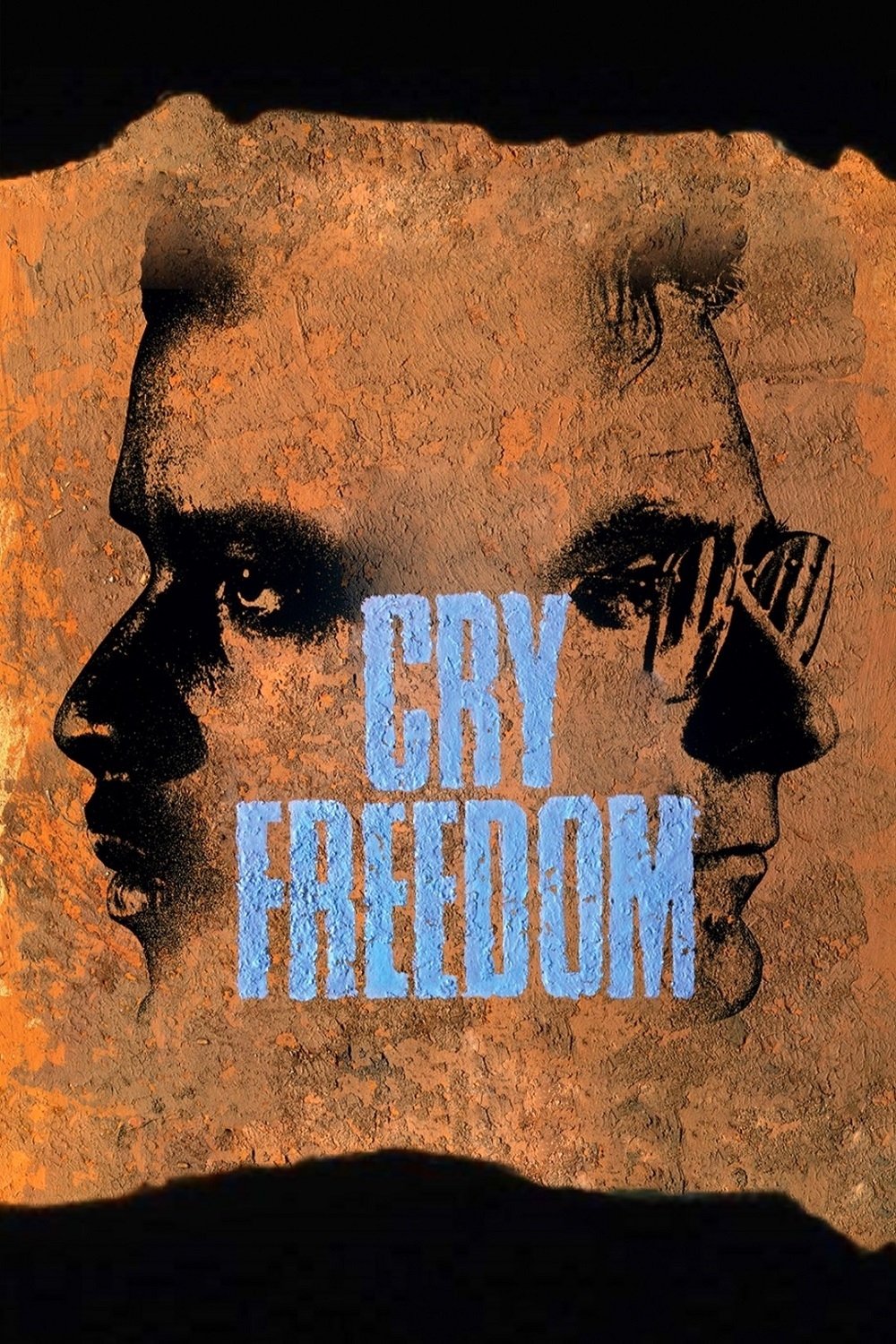
Is This Film Based on a True Story?
The very first time I watched “Cry Freedom,” I couldn’t set aside the overwhelming sense that what I was seeing was tethered to a factual legacy—one scarred by apartheid and illuminated by resistance. So, I can say with confidence that this film is not just inspired by true events but is firmly based on the real-life struggles and tragedies of the anti-apartheid movement in South Africa, particularly through the story of Steven Biko and Donald Woods. The movie does take creative license in certain moments, as most adaptations inevitably do, yet its foundations are rooted in actual people, tangible documents, and internationally recognized history.
The Real Events or Historical Inspirations
For me, understanding the factual underpinnings of “Cry Freedom” meant delving into South Africa’s turbulent 1970s and learning about Steve Biko’s activism. When I look at the film, I’m always aware that its core is shaped by the life and death of Biko, a pivotal Black Consciousness leader, and the journalistic courage of Donald Woods, whose own writings and personal experiences formed the basis for the screenplay. The filmmakers drew heavily from Woods’ books—most notably “Biko” and “Asking For Trouble”—and relied on actual events surrounding Biko’s activism, his relationship with Woods, and his ultimate death in police custody.
From everything I’ve learned, Biko’s role as the intellectual force behind South Africa’s Black Consciousness Movement deeply influenced both the film and Woods’ books. Biko argued for psychological and cultural empowerment for Black South Africans at a time when state oppression was almost absolute. Donald Woods was a white liberal newspaper editor in an era when that carried exceptional risk and weight. Woods’ transition from skeptical observer to committed ally is a narrative thread the film inherits directly from real events documented by Woods himself. His articles and reports, published while he was editor of the Daily Dispatch, are publicly accessible and stand as evidence of both his support for Biko and the intense repression that followed.
The film’s dramatic elements, from Biko’s arrest to Woods’ subsequent flight from South Africa, are depicted largely as they happened, according to Woods’ published memoirs and the findings of international human rights organizations. I think it’s crucial to note that Biko’s in-custody death in 1977 sent shock waves around the world, and the film carefully adheres to known facts in depicting the lead-up and aftermath. South African inquests, news reports, and international campaigns—all contributed details that the filmmakers ultimately folded into their script.
To put it simply, when I map the narrative arc of “Cry Freedom” against historical records, I see clear lines running between the film’s scenes and the lived experiences of both Steven Biko and Donald Woods. The jail scenes, the state censorship, the suffocating atmosphere of apartheid—these emerge from real testimonies, not just creative invention.
What Was Changed or Dramatized
Even though the film remains close to the lives of its real-life subjects, my research and experience have shown me that “Cry Freedom” uses a blend of fact and dramatization. One of the most notable choices is how conversations and character dynamics are often condensed or rearranged to heighten the movie’s pace and emotional impact. For instance, meetings between Biko and Woods are depicted as private and intimate, sometimes combining several real-life encounters into a single exchange to serve dramatic clarity.
Another detail that stands out to me is the way supporting characters are constructed. While the main figures—Biko and Woods—are historical, some of the secondary roles and composite characters represent an amalgamation of real individuals. For example, the police figures in the film, such as the Security Police officers, are crafted from known historical behaviors but are fictionalized in their specific lines and interactions. This approach is typical of film adaptations based on memoirs, where the necessity of protecting certain identities and the limits of recollection mean some scenes are created to encapsulate broader truths rather than serve as precise reenactments.
The chase and border crossing near the film’s climax are dramatized for cinematic tension. While Donald Woods did, in fact, escape South Africa (with his family) by disguising himself and crossing into Lesotho, the movie’s editing heightens the danger and pace, introducing narrowly-avoided checkpoints and near-detection moments not described in as much detail in Woods’ own accounts. In reality, Woods’ journey was perilous, but the film’s depiction compresses and intensifies certain aspects to fit its two-and-a-half-hour runtime.
Additionally, several speeches and dialogues attributed to Biko in the film are paraphrased or drawn from a variety of sources. The filmmakers sometimes reconstructed these words for narrative cohesion, though the underlying sentiments reflect Biko’s philosophy as preserved in his writings and speeches. It’s clear to me that dramatic license was exercised to make these moments resonate with viewers who might not have direct cultural context for Biko’s ideas.
The film also pulls back slightly from the explicit brutality of police violence compared to actual historical accounts, although it does not erase or undermine their significance. Institutionalized violence is ever-present, but some details are suggested rather than shown in graphic detail, likely due to the constraints and sensibilities of its international target audience during the late 1980s.
Historical Accuracy Overview
When I evaluate “Cry Freedom” against the established history of apartheid and Steve Biko’s life, I see a clear commitment to factual representation, especially regarding major events. Biko’s arrest, interrogation, and death correspond with the findings of multiple inquests, contemporary news coverage, and the international human rights outcry that followed. Donald Woods’ subsequent harassment by authorities, his home being bugged, and the impact on his family are confirmed in both South African court records and his autobiography.
As I weigh the more nuanced elements, such as the social climate within the newsroom or the fear gripping Black communities, I realize that these are grounded in authentic accounts from South African journalists, students, and activists of the era. Films like this, when they echo a timeline of public events and private testimonials, tend to maintain a high degree of reliability—though, of course, certain liberties are necessary to condense complex experiences.
The film is generally lauded by historians and witnesses for capturing the essence of Biko’s activism and Donald Woods’ transformation. The spirit of the Black Consciousness Movement—its emphasis on dignity, nonviolent protest, and psychological liberation—is present in Biko’s speeches and personal interactions. Yet, I also recognize that the dramatization compresses the passage of time and sometimes simplifies intricate interpersonal dynamics for clarity.
One ongoing point of debate concerns the film’s focus on Donald Woods, a white editor, as the lens through which Biko’s story is told. While Woods genuinely played an instrumental role in publicizing Biko’s philosophies and exposing his death, some viewers and critics have observed that this perspective may marginalize the voices of Black South Africans who lived with apartheid daily. For me, this reflects the tension common to many biographical films in which the storyteller’s vantage point shapes which details are emphasized or omitted.
Another verifiable aspect is the film’s recreation of the South African security forces’ methods, including surveillance, intimidation, and banning orders. The accuracy here is supported by numerous testimonies from journalists and dissidents who faced similar pressures. From what I’ve read, the film’s portrayal of the censorship apparatus and police procedures aligns closely with documented tactics, even where dialog and personalities are imagined.
On balance, my sense is that “Cry Freedom” offers a historically grounded account, using dramatic embellishment where necessary but always circling back to verifiable events and credible documentation. The filmmakers worked closely with Donald Woods himself, which aids its reliability, though memories and perspectives inevitably color the retelling. Nonetheless, the film stands as a reference point for those unfamiliar with Steven Biko’s enduring legacy.
How Knowing the Facts Affects the Viewing Experience
Whenever I watch “Cry Freedom” with a detailed knowledge of South African history and anti-apartheid resistance, my response deepens. Knowing the extent to which the story clings to real individuals—how Biko’s voice was genuinely silenced, and how Woods risked his life to carry that voice beyond South Africa’s borders—instills every scene with added gravity. The film’s message about individual courage and collective responsibility resonates more forcefully for me when I understand its historical lineage.
I notice that being aware of the real events often leads me to look past the minor fictionalizations or composite characters because I’m able to see the broader truth the filmmakers want to convey. When the film dramatizes Woods’ escape, for example, I find myself thinking less about the precise accuracy of each checkpoint or disguise, and more about the authentic danger Woods faced. My immersion is not broken by such flourishes because I know the core stakes are real—these were perilous times, and many people living under apartheid routinely faced extraordinary threats.
Conversely, when the film focuses on Woods’ perspective, my awareness of the period’s wider context encourages me to seek out additional voices—especially those of Black South African activists who aren’t given center stage. My research compels me to see the film as one entry in a larger conversation, prompting me to read more about Black Consciousness, its leaders, and the communities it sought to empower. Knowing the facts, it becomes clear to me why Biko is memorialized as a figure of conscience across continents.
Specific moments—like Biko’s imprisonment and the inquest into his death—feel more tragic and urgent once I recognize their alignment with actual records and international responses. The decision to end the film with the real list of detainees who died in custody from 1963 to 1986 has a sobering effect on me because it anchors the narrative in a broader web of injustice that extends far beyond the principal characters. Viewing with background knowledge, I find that the emotional power of the film is amplified by the knowledge that these are not hypothetical traumas, but suffered realities.
On the other hand, my familiarity with the details sometimes makes me more sensitive to the inevitable limitations of the film’s representations. I’m keenly aware that a two-hour movie cannot possibly encapsulate the entire landscape of apartheid or every dimension of Biko’s philosophy. Instead, I see the movie as a compelling entry point—an accessible retelling that nudges viewers to explore further. For those encountering South Africa’s history for the first time, the film’s factual basis ensures an introduction anchored in authenticity, even where dramatization occurs.
Ultimately, the difference between watching “Cry Freedom” as pure fiction and knowing it’s rooted in real-world events is profound for me. The film gains resonance because of its authenticity—the risks were real, the losses are quantifiable, and the legacies are ongoing. For anyone interested in films rooted in history, “Cry Freedom” serves as a striking example of how true stories, when handled thoughtfully, can provide both a window into the past and a mirror for contemporary reflection.
After learning about the film’s origins, you may want to see how audiences and critics responded.
🎬 Check out today's best-selling movies on Amazon!
View Deals on Amazon