
Is This Film Based on a True Story?
I remember sitting down to watch CODA with the faint notion that its world rang with the truth of everyday life, but after some research and reflection, I realized CODA isn’t strictly based on real events or any specific family. Instead, I discovered that its story—while deeply resonant and full of lived-in detail—is a work of fiction. Yet, I can’t call it wholly disconnected from the fabric of real people’s experiences either. The movie draws its fundamental inspiration from a French film, “La Famille Bélier,” released in 2014, which also wasn’t based on factual events or one particular family. Both films use a dramatic, coming-of-age narrative as a framework to explore what it means to be the only hearing member in a deaf family. Although I felt CODA’s universality and emotional intelligence, I have to clarify that it is not a direct depiction of real-life individuals or actual events but rather a fictionalized narrative grounded in broader realities.
The Real Events or Historical Inspirations
As I delved deeper, I found that the beating heart of CODA’s connection to reality lies in its portrayal of deaf culture and the experiences of CODAs—Children of Deaf Adults. The film’s American adaptation mirrors “La Famille Bélier” in structure and theme, yet the specifics are distinct and original to its Massachusetts fishing community setting. I noticed that while there’s no singular event or person at the core of CODA, the narrative is a tapestry woven from many genuine threads that exist in the CODA and Deaf communities at large. I came across countless stories online of CODAs—people who have carried the dual roles of interpreter, mediator, and bridge between the deaf and hearing worlds. While none of those individual narratives serve as a direct source for the plot, the writers clearly invested significant time in understanding the unique challenges and triumphs of these families. They also consulted extensively with Deaf actors, activists, and interpreters to ground the film’s events in real-life experiences, which gives the story a remarkable sense of authenticity.
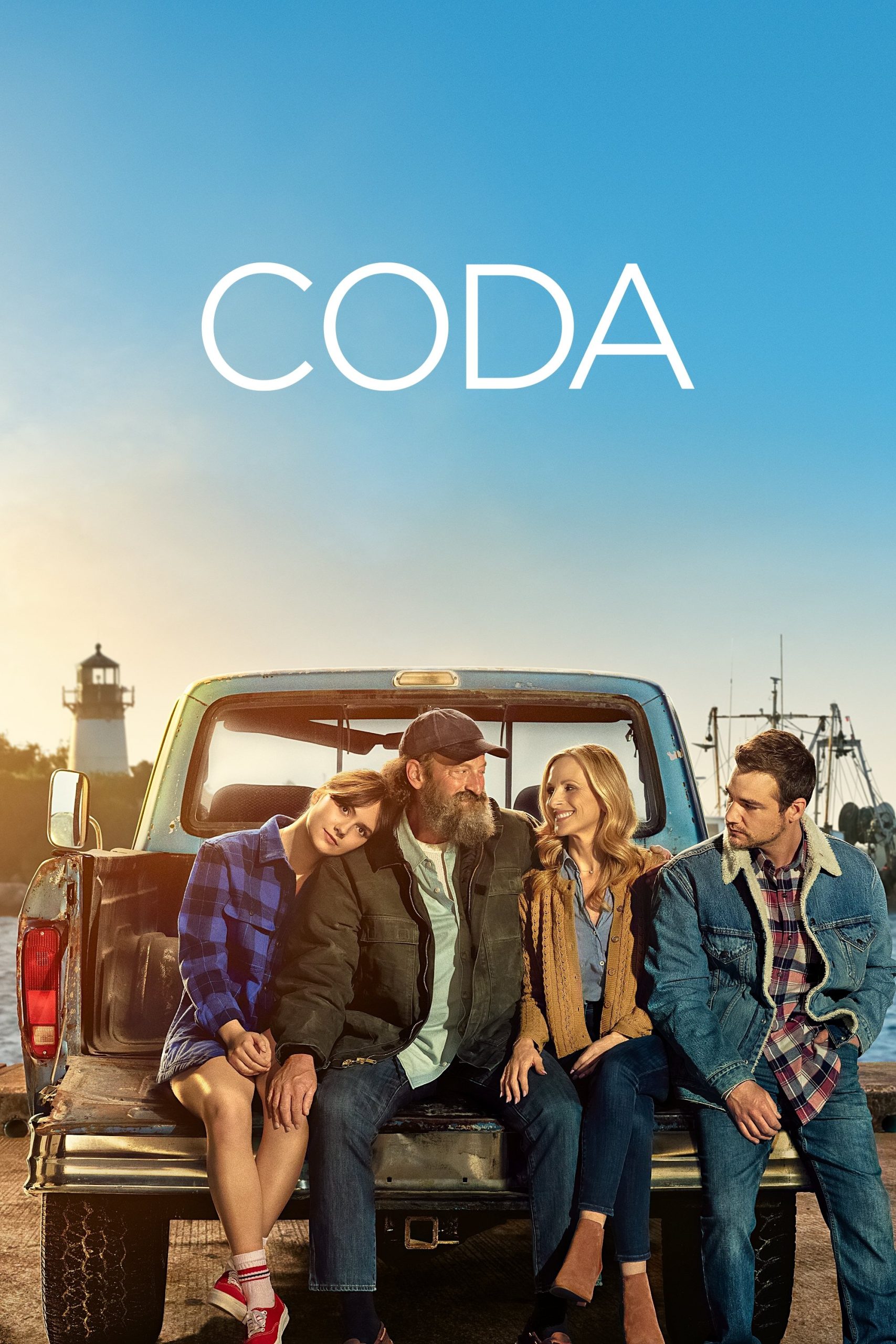
What struck me most, though, was how the filmmakers deliberately cast deaf actors like Marlee Matlin, Troy Kotsur, and Daniel Durant in the roles of the Rossi family. To me, this casting speaks to a commitment to truthful representation. Their input helped shape not just the performances but also the ambiance of the Rossi household, the rhythms of communication, and the lived realities that might never make it into mainstream portrayals. That, I think, is where CODA draws its greatest strength from reality—it’s less about retelling a specific true event, and more about capturing the collective texture of Deaf family life, where humor, frustration, and love coexist dynamically. Even the fishing backdrop in Gloucester, Massachusetts, was selected after learning about the actual economic and social challenges in that region, though again, the Rossi family themselves are fictional.
What Was Changed or Dramatized
Reflecting on the film, I’m conscious of how CODA amplifies certain dynamics for dramatic effect. For instance, the heightened central conflict—where Ruby, as the sole hearing child, feels pulled between supporting her family’s fishing business and chasing a dream of singing—is a narrative invention. Although many CODAs do feel the tension between their personal ambitions and familial obligations, I realize that the specific storyline—a gifted young singer caught at a crossroads with her family’s future in the balance—follows recognizable patterns seen in coming-of-age dramas. The urgency of choosing between an audition for a prestigious music school and her family’s livelihood: that’s the kind of narrative device that propels cinema forward but doesn’t always mirror the more fragmented, less categorical dilemmas real CODAs often describe.
Another element I want to highlight is the soundtrack and depiction of music as a transformative, even revolutionary force for Ruby. For me, this artistic device serves as a powerful metaphor within the film, but in researching real-life CODA experiences, I haven’t found many stories where singing is central. Instead, the link often involves mediating social services, medical appointments, or employment challenges. Of course, music and Deaf culture have a nuanced relationship—Deaf artists might experience and enjoy music differently, and not all hearing children of Deaf adults form the same relationship to singing or performance. So, the primacy of music is a narrative choice rather than a universally shared reality.
Additionally, details like the family’s fishing business are invented composites. The film pulls from the realities of small-town economies, the interdependence of family labor, and the challenges of accessibility in traditional industries—but there’s no real Rossi fishing operation in Gloucester with this precise set of circumstances. In real life, families might work in various occupations. The specific regulatory crisis depicted in the film functions as a plot device to create urgency and consequence. Even the climactic interpretation scene, in which Ruby translates at a public meeting, seems designed to crystallize the coming-of-age moment, neatly encapsulating what might otherwise be a series of smaller, messier events in the real lives of CODAs. I see this as another dramatization for emotional weight rather than a direct recounting.
Historical Accuracy Overview
In comparing what I know from interviews, first-person essays by CODAs, and historical resources on Deaf culture with what I saw on screen, I notice that CODA achieves a rare blend of authenticity and dramatization. On one hand, the everyday particulars—the rhythm of American Sign Language, the familial banter, and the sense of marginalization in larger society—fit closely with what CODAs and Deaf families share in memoirs and oral histories. For example, the casting of actual Deaf actors, and the way scenes are blocked to highlight eye contact, non-verbal cues, and physical humor, correspond to what I’ve read about lived Deaf culture. The film accurately represents many typical experiences, including a child interpreting for parents at school or in legal matters, and the social isolation that can accompany being “between worlds.” The use of sound design, especially the moments when the audience experiences “deafness” by dropping out the soundtrack, captures something I believe is genuinely rare in mainstream film—an empathy with how Deaf characters experience their world.
Yet, if I dig into the question of specifics, CODA is not a documentary. It compresses and intensifies the stakes—especially around Ruby’s singing—into a tight storyline. The timeline of Ruby’s journey, the high-drama family confrontations, and the clear-cut finale are products of cinematic storytelling. I also noticed that Gloucester’s specific historical realities are a starting point, not a painstakingly recreated environment. The complexities of labor exploitation, environmental change, and the intricacies of working with fishing regulations are depicted simply and serve the narrative, rather than being an exhaustive study of small-town economics. In the real world, these issues are often more diffuse and ongoing, without the narrative resolution offered in film.
I’ve read reflections from Deaf critics and CODAs who, while praising CODA’s respectful casting and attention to authentic communication, point out that every family’s experience is unique, and the film picks and chooses which realities to amplify. The central message about the importance of agency—for both Deaf and hearing characters—is rooted in truth, but the tick-tock plot, the montage-style rehearsal scenes, and the dramatic public performance tie up threads that are rarely so neatly resolved in life. The school choir auditions and Boston music program plotlines are creative inventions rather than historic records. Still, the emotional landscape—alienation, longing, pride, and misunderstanding—feels fundamentally honest to many who’ve lived as CODAs or as Deaf parents of hearing children.
How Knowing the Facts Affects the Viewing Experience
Reflecting on what I learned about CODA’s origins deeply affected my experience of the movie. Knowing the film isn’t based on one true story, I felt freer to let the universal aspects resonate—the struggles with translation, the unexpected moments of humor, the navigation of two cultures at once. Realizing that the Rossi family is fictional, but their experience is a composite built out of many real CODA lives, heightened my awareness of just how widespread and diverse those stories actually are. I found myself comparing the film’s choices to what I read about the everyday push-pull so many CODAs recount—where the responsibilities aren’t always centered on art or school, but can involve every facet of daily life, from doctor’s visits to neighborly misunderstandings to balancing love lives across language barriers.
After learning that a French film first brought together some of these dynamics, I gained a new appreciation for how CODA takes a similar structure but situates it in a distinctly American context: in New England, with its own economic anxieties and sense of place. Understanding that “La Famille Bélier” laid the groundwork, but that neither it nor CODA are documentaries or biopics, helped me see the intent was less about factual retelling and more about creating an emotional space where audiences—especially those from Deaf and CODA communities—could see their inner lives reflected, even if in exaggerated or symbolic form. For me, the authenticity comes from the way the cast communicates, how the family jokes, and the texture of their household, not from specific historic markers or exact replication of anyone’s biography.
What I found most powerful, once I separated fact from fiction, was how the film uses dramatic structure and archetypes to let non-CODA viewers step inside an unfamiliar existence. The crafted narrative, with its moments of musical revelation and family crisis, operates like a bridge, pulling in those with no direct experience but inviting them to empathize across the divide. Knowing that certain parts were dramatized for effect didn’t lessen the sense of truth I felt—if anything, it made me more curious to learn about real-life families living at this intersection of cultures. I found myself digging into memoirs and first-person essays about Deaf family life, which sometimes echoed the film’s warmth and humor, and other times described challenges the movie only brushes up against.
Because CODA is not a factual recreation, I came away with a heightened sense of respect for the diversity of experiences represented within the label “CODA.” The movie invited me to think more deeply about the ways art can approximate reality—not by offering a perfect mirror, but by distilling a complex set of experiences into a story that can be shared, discussed, and felt. In that sense, the line between fiction and reality isn’t always a barrier, but a starting point for a broader conversation.
After learning about the film’s origins, you may want to see how audiences and critics responded.
🎬 Check out today's best-selling movies on Amazon!
View Deals on Amazon