
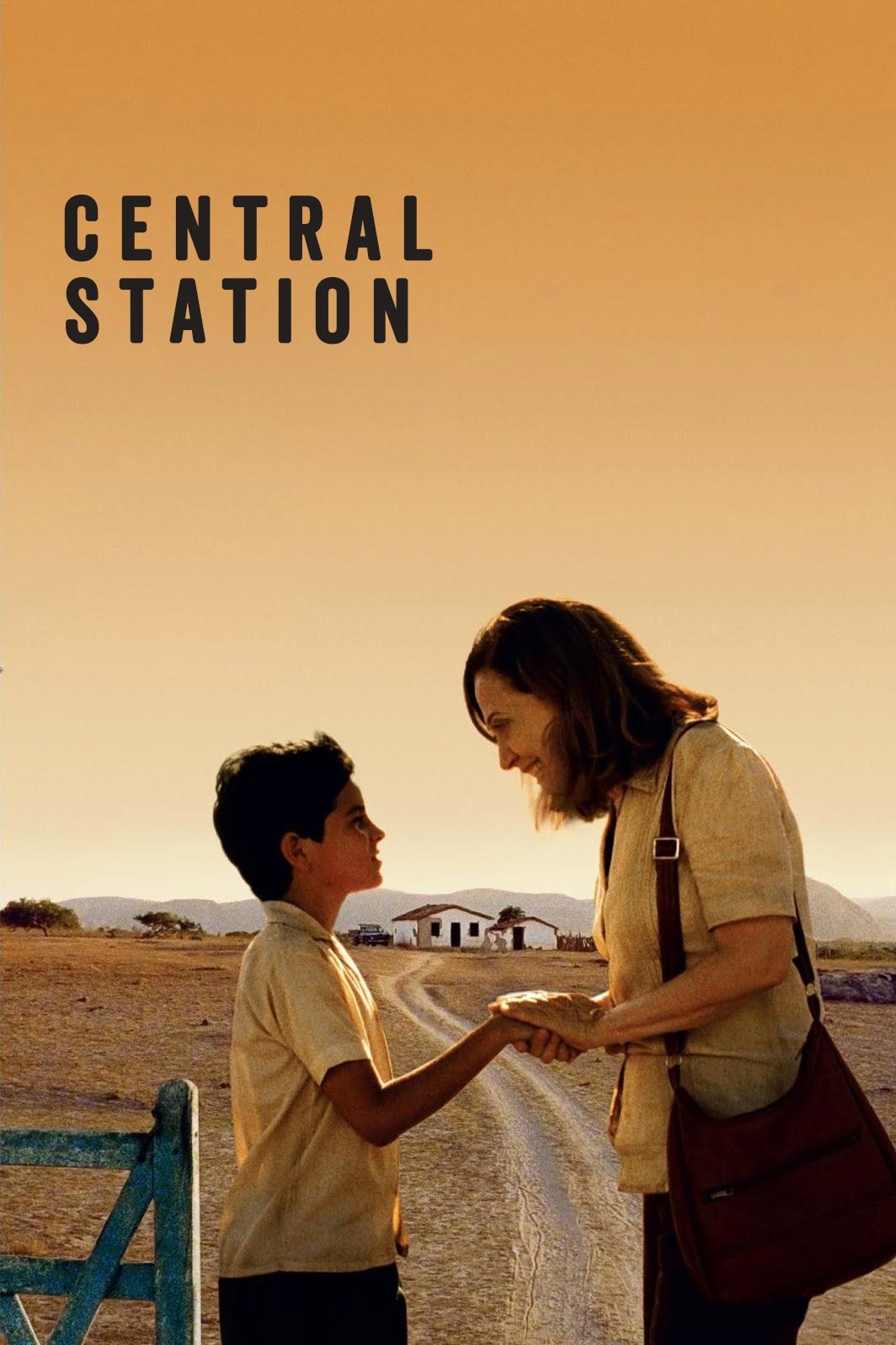
Is This Film Based on a True Story?
When I first encountered “Central Station,” its raw portrayal of longing, hardship, and unexpected connection amidst the bustle of Rio de Janeiro’s transit hub immediately drew me in. But as I delved into the backstory, I realized that my fascination came not from the details of a known biography, but from a narrative crafted to feel real without drawing from any one life. In my research, I found no evidence that “Central Station” is based directly on true events. The story, as written by João Emanuel Carneiro and director Walter Salles, is an original creation rather than a documentation or adaptation of an actual person or episode from Brazil’s history. That sense of realism comes, I believe, from an intense observation of daily Brazilian life rather than from a literal retelling.
The Real Events or Historical Inspirations
Reflecting on my experience watching the film, I was struck by a sense of authenticity in the way the characters moved through spaces—the crowded station, the rural backroads, and the vibrant neighborhoods. My research uncovered that, while “Central Station” is not based on any single true story, its director and screenwriters undertook significant fieldwork to immerse themselves in the rhythms of Rio’s community. I learned that Walter Salles and his writing team spent time at the actual Central do Brasil station, observing the diverse array of people who pass through that transportation crossroads. They listened to real-life stories of travelers and station workers, including those of professional letter writers who, in the pre-digital era, helped Brazil’s illiterate population communicate with faraway relatives. This research imbued the film with a cultural and sociological realism that makes it resonate as if it were based on fact, even though it isn’t tied to a specific historical figure or documented event.
I was also intrigued to discover that the film is part of a larger tradition in Brazilian cinema known as “Cinema da Retomada”—the cinematic revitalization of the late 1990s. Many films of this movement echoed the struggles of ordinary Brazilians, drawing inspiration from the country’s economic hardship, internal migration, and the divide between urban and rural life. These themes, while not fictional in themselves, served as a springboard for the filmmakers to create narratives that intimately reflect real societal conditions. In my view, “Central Station” weaves these threads into a story that simultaneously feels singular and yet representative of broader trends and truths present in Brazil during the period.
Essentially, while there is no documentary source or specific incident that “Central Station” retells, I see it as informed by an earnest attempt to capture real socioeconomic dynamics and the lived experiences of marginalized populations. The character of Dora, for instance, echoes the actual presence of public letter writers, and the journeys of Josué tap into the history of children separated from family by employment migration and rural poverty. But these are, in the end, composites—rooted in observation, not individual biography. That distinction shapes the nature of the storytelling, making it resonate emotionally without claiming factual retelling.
What Was Changed or Dramatized
Whenever I examine a film like “Central Station,” which draws on aspects of social reality without being a direct adaptation, I pay special attention to how real-life circumstances are reshaped to serve the narrative. What struck me about this film was the degree to which its most powerful scenes are products of artistic invention rather than dramatic reconstruction of real events. For example, the core journey—an embittered retired schoolteacher helping a young boy search for his absent father across vast landscapes—struck me as a metaphorical odyssey. It synthesizes hundreds of possible personal histories into a single, emotionally charged quest that, while plausible, is essentially fictional.
In my investigation, I learned that even the central profession of Dora—writing letters for the illiterate—is depicted with evocative significance that heightens its narrative importance beyond what I found in accounts of real-life station scribes. The drama around Dora’s handling or disposal of certain letters, and the resulting confrontations with her own conscience, are shaped for cinematic effect. Real letter writers certainly influenced the writers’ decisions, but the moral dilemmas and acts of redemption presented onscreen are shaped to deliver a clear arc of personal transformation. The film collapses and amplifies experiences that many may have had individually into a cohesive, patterned evolution over a relatively short time frame.
One element that particularly stood out to me was the depiction of the Brazilian countryside the protagonists journey through. It feels both authentic and almost mythic, an archetype of the divided nation, rather than a specific journey through mapped towns and cities. Places like Bom Jesus do Norte, visited in the movie, are real locations but are filtered through the narrative lens as settings for revelation and self-discovery more than as specific, documented waypoints. The rural poverty and struggles portrayed are accurate at a broad level, but the details are shaded and occasionally heightened to underscore the stark contrast with urban Rio.
Moments of peril or hardship along the route—such as brushes with danger, encounters with authority, and the unlikely kindness of strangers—are narrative conventions in cinema that serve to keep the stakes high. While such events may certainly echo the lived realities of many people in Brazil’s interior, I saw them as selected and intensified to shape a satisfying emotional progression for the audience. The film’s resolution, in particular, provides a sense of closure and hope that isn’t guaranteed in real life, where such journeys often lack neat endings.
To sum up the dramatization, much of “Central Station” feels plausible—rooted in the type of events that could occur—but its incidents are ultimately arranged and heightened for emotional and thematic resonance rather than accuracy or precision to any one source.
Historical Accuracy Overview
Peeling back the layers of “Central Station,” I continuously asked myself: which details are likely to be reflective of Brazil in the 1990s, and which are dramatic constructs? What I concluded, after reading interviews and exploring historical accounts, is that the film’s authenticity emerges from its commitment to depicting the social environment, rather than the actual facts of a singular journey.
The portrayal of Central do Brasil—the bustling railway and bus terminal in Rio—is one of those details that rings true. I found that the station really was (and is) a hub where individuals from all walks of life intersect, from workers to rural migrants to wanderers. The background actors, often actual people who frequented the locale, added a palpable sense of realism to the setting. The scenes of people dictating letters to scribes directly reflect reports and oral histories I’ve read about illiteracy coping mechanisms in poorer urban neighborhoods. It makes sense to me that the filmmakers’ decision to include non-actors was designed to further embed slice-of-life veracity within the drama.
The social commentary embedded in the story—poverty, the challenge of migration, fractured families, and the feeling of dislocation—echoes demographic and economic data from the era. Across Brazil’s urban centers and interior regions, population displacement and lack of social safety nets genuinely shaped many lives. When I watch Josué’s search for his father, I am reminded of countless migration stories in Brazil, though this specific one is a composite. The tension between cold bureaucracy and everyday resilience is mirrored in stories of how state institutions interacted with impoverished populations in the late twentieth century.
On the other hand, elements like Dora’s exact personal journey, her abrupt shifts of conscience, and the specifics of her evolving relationship with Josué appear, to my eye, as narrative necessities rather than true portraits. The film constructs a redemptive arc that is powerful but condensed relative to how real personal transformation unfolds. The coincidences and encounters, the serendipitous connections with strangers along the road, and the ultimate discoveries along their path are emblematic rather than factual. I found that events unfold with a clarity and purpose that life rarely provides so neatly.
Therefore, I view “Central Station” as a film that skillfully blends documentary realism with a dramaturgical structure. While individual details—like the prevalence of rural poverty and the prevalence of inter-urban migration—are historically accurate, the narrative as a whole operates at the level of parable rather than strict fact.
How Knowing the Facts Affects the Viewing Experience
I find that understanding the boundary between reality and fiction in “Central Station” profoundly shapes the way I experience its story. Knowing that the film doesn’t recount a documented event or a named individual’s journey, I’m able to approach it as a work of empathy and observation rather than as a lesson in historical fact. This shift allows me to appreciate the influences that shaped the narrative—the interviews, the site research, the social context—without carrying an expectation of factual precision.
For me, much of the film’s impact lies in its ability to evoke the feeling of authenticity without being beholden to literal truth. As a viewer aware of its origins, I’m less invested in drawing parallels to a real person and more attuned to the broader messages about human connection, resilience, and the possibility of redemption. I find myself reflecting on how the film invites the audience to engage with broader Brazilian realities—illiteracy, migration, poverty, the hope and risk in searching for better lives—while not pinning its message to the specifics of one life story.
This awareness also colors my sense of the characters. Dora, for instance, takes on the quality of an everyperson touched by the country’s shifting tides, not a real historical figure but a vessel for universal anxieties and hard-won revelations. Because I recognize that she is a synthesis of countless encounters and stories, I find myself responding more to the archetype she represents than to her particular biography. Similarly, Josué’s longing for his absent father transcends individual experience, becoming a window into collective realities faced by countless Brazilian children.
On the other hand, I notice that some viewers, especially those seeking strict historical retellings, may feel differently when they learn of the film’s fictional status. There might be a temptation to question the plausibility of certain story beats or to look for direct references to historical records. For me, though, knowing the film’s approach enhances my appreciation of the craftsmanship involved and the layers of meaning embedded in characters’ journeys. It frees me from fact-checking details and allows for a more emotional, metaphorical engagement with the material.
Ultimately, I see “Central Station” as a testament to the power of fiction rooted in acute social observation. The narrative’s lack of explicit historical sourcing doesn’t diminish its significance; instead, I find it encourages audiences—including myself—to use the film as a starting point for curiosity about Brazil’s history and its ongoing social issues. Rather than presenting conclusive answers about a single life, “Central Station” opens a window onto a society in flux, inviting viewers to immerse themselves in the beauty and hardship portrayed onscreen, knowing these moments are shaped by thousands of real lives, even if not by one in particular.
After learning about the film’s origins, you may want to see how audiences and critics responded.
🎬 Check out today's best-selling movies on Amazon!
View Deals on Amazon