
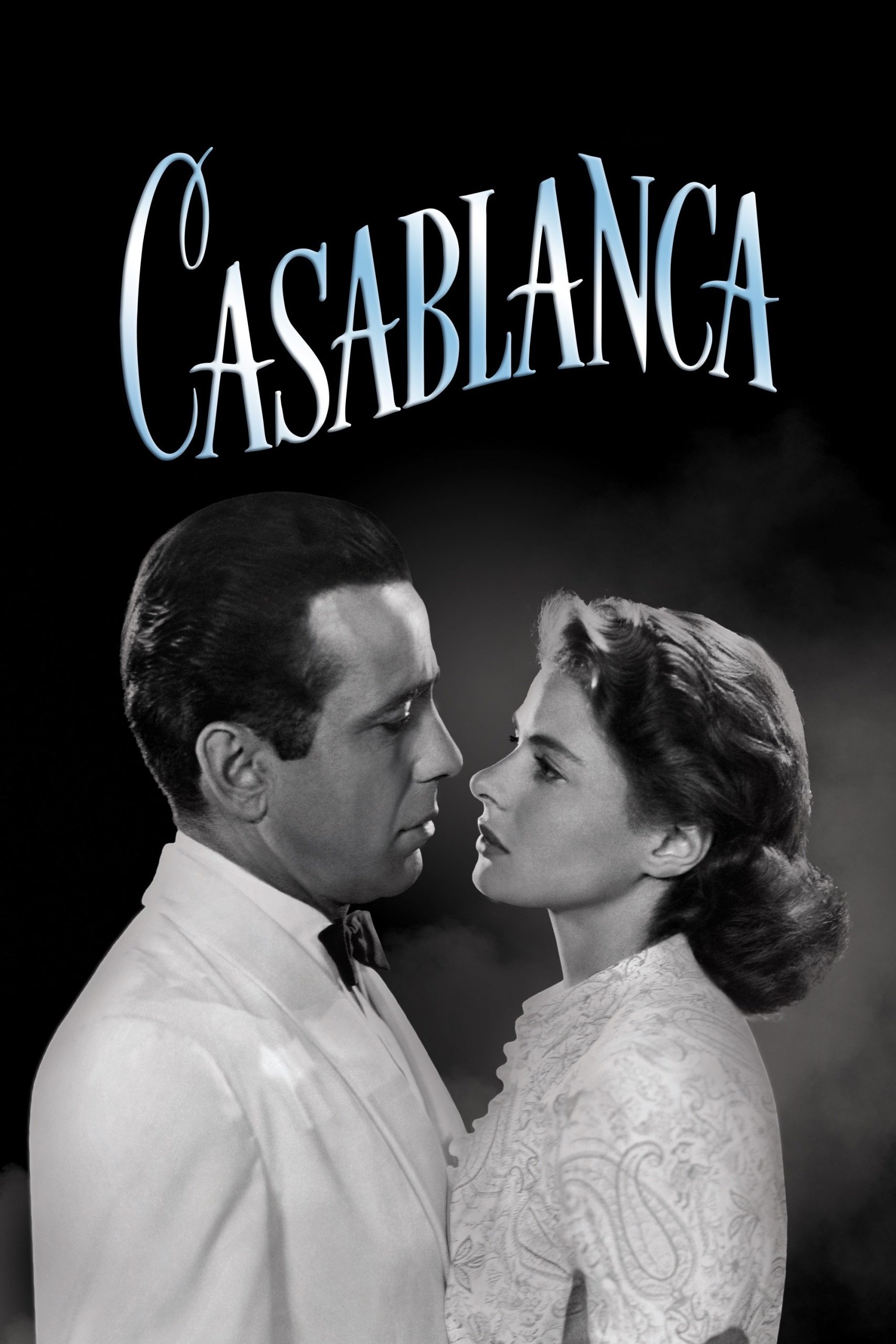
Is This Film Based on a True Story?
The moment I first saw “Casablanca,” I was captivated not just by the romance and tension on screen but by the haunting sense that these events could somehow be real. But as someone who obsesses over the true origins of cinematic legends, I have to say—in my research and reading, “Casablanca” is not based on a true story. It is entirely fictional. The plot, as iconic as it is, sprang not from any real lovers parted by war or secret intrigues in Moroccan cafes, but rather from the imaginations of its creators. While some movies from that era draw directly from history or specific lives, “Casablanca” instead takes its inspiration from a play and the broader atmosphere of World War II’s early days. That may disappoint those, like me, who seek out direct links to real-life events, but I see value in recognizing where art ventures into pure creation. The allure of “Casablanca” lies in its authenticity of emotion rather than strictly factual roots. Still, I’ve long wondered—what inspired these characters? Did any of it echo the real Casablanca, or was it all Hollywood illusion?
The Real Events or Historical Inspirations
Digging deeper into the film’s background, I soon discovered that “Casablanca” is adapted from an unproduced stage play called “Everybody Comes to Rick’s,” written in 1940 by Murray Burnett and Joan Alison. This play, as far as my research goes, wasn’t based on any particular real event or historical figure, but it was colored heavily by the period’s climate and the writers’ personal experiences. Burnett, in particular, had traveled to pre-war Europe in 1938, and he later described witnessing a nightclub on the French Riviera that hosted a mix of desperate refugees, black marketeers, and Germans. While this stopover didn’t involve a Rick Blaine or any of the intricate spy games that would later be immortalized in the film, the atmosphere stuck with him. The sense of longing and danger he saw crystallized in the idea of a limbo where refugees awaited uncertain fates—a psychological rather than documentary truth. For me, it’s powerful to realize how writers absorb the atmosphere of history and filtering it through semi-autobiographical memories, create artful fiction.
That said, when I look at the timing of the film’s release, it’s impossible to ignore the very real context of World War II. “Casablanca” is set in December 1941, a time when North Africa—and especially the real city of Casablanca—did serve as a crossroads for exiles fleeing Nazi persecution and as a hub of uncertain alliances between Vichy-controlled France, Nazi Germany, and Allied agents. The city was genuinely filled with refugees, colonial officials, soldiers, and shady characters, which gave plausibility and immediacy to the film’s world. Even if the characters were invented, the pressures they faced—confiscated travel papers, desperate bargains—echo things I’ve found in historical sources about the exodus from Europe during that dark period. Still, nothing I read validates a true “Rick’s Café Americain”; it’s a mythic distillation, drawn from many stories but not one single biography or newspaper report.
What Was Changed or Dramatized
Authors and screenwriters rarely resist the urge to modify the raw material of life for dramatic effect, and I view “Casablanca” as a classic case of enhancement and invention. Since the original play and the storyline aren’t based on any specific true story, the film’s writers had only their imagination as the canvas. But when I look at specific elements, I see both efforts to echo the war’s realities and deliberate dramatic choices made to heighten emotion or streamline narrative.
For example, the central romance between Rick and Ilsa is a creation meant to universalize the pain and sacrifice common in wartime separation but with no documentary basis. They and Victor Laszlo—so vivid on screen—represent archetypes rather than proxies for real people. Laszlo, a Czech resistance hero and target of Nazi pursuit, draws on broader reports of European resistance movements, yet I find no evidence he’s modeled on a single leader. His escape is an amalgam of stories rather than a historical retelling. The use of exit visas as the ultimate ticket to freedom echoes genuine bureaucratic hurdles in Vichy North Africa, but the whole notion of “letters of transit signed by General de Gaulle”—as described in the movie—is historically impossible, a device more rooted in spy fiction than archival discovery. No such universal, unquestioned travel document existed. When I learned this, it reminded me how screenwriters borrow the trappings of real procedure and cloak them in legend for convenience’s sake.
The depiction of Casablanca itself as a city under the effective lawlessness where deals could be made and borders crossed seems plausible when I read secondary sources about the time. Yet, the drama’s sense of compressed urgency—the idea that anyone could buy safe passage if they found the right contact, or that the city was a powder keg ready to explode—amplifies the dangers of the era for narrative economy. The police captain, Louis Renault, is another character type that checks the boxes of cynical pragmatism and ambiguous morality, but I can’t trace him to any specific person. The café, its clientele, and its intrigue are more film noir invention than documentary recreation; no contemporary document describes a single hub of subterfuge quite the way Rick’s bar is rendered.
And yet, the film places a deep emphasis on themes that resonated through actual war stories: impossible choices, romantic loss in the shadow of global struggle, and the search for a cause greater than oneself. By dramatizing these ideas, “Casablanca” creates an emotional reality that, at moments, feels more true than fact.
Historical Accuracy Overview
After thoroughly comparing the film with contemporaneous historical records and memoirs, I conclude that the accuracy of “Casablanca” lies largely in its atmosphere and spirit, rather than in a direct correlation to real events or people. The depiction of Casablanca as a stopover for refugees desperately trying to reach Lisbon or the New World is rooted in historical truth. Thousands really were caught in limbo across North Africa, stymied by paperwork, quotas, and the uncertainties of international politics. The tension between the local Vichy authorities, the Germans, and assorted exiles is similarly drawn from life; French-controlled Morocco experienced real intrigue, divided loyalties, and occasional violence under the watchful eyes of both Nazis and Allies.
Where the story departs most from reality is in the details. The invention of “letters of transit” as a nearly magical document is a substantial fabrication. In my research, real refugees went through a tortured sequence of bureaucratic hurdles—securing exit visas, transit visas, final destination visas, and hard-to-get passage on ships or planes. No single, all-access document would have guaranteed safe passage past hostile authorities. Likewise, the specific plot twist involving these letters, and the ability for a single club owner to wield outsized influence, fit comfortably in the world of melodrama rather than geo-political fact. The film’s portrayal of Nazi officers openly commanding local police and ordering executions doesn’t map directly onto actual Vichy governance, which was subtler and often saw French administrators collaborating under pressure, rather than working as mere puppets of German officials, at least in Morocco before late 1942.
What remains chillingly accurate is the pervasive sense of uncertainty—any conversation might carry a hidden risk, every document is subject to sudden invalidation, and personal allegiances are in continual flux under occupation. This feeling is reinforced by the film’s soundtrack, costuming, set design, and especially its multinational cast of extras and supporting actors. In fact, many of the actors playing refugees in “Casablanca”—including S.Z. Sakall (Carl), Curt Bois (the pickpocket), and Conrad Veidt (Major Strasser)—were themselves real-life refugees from Nazi persecution, which imparted an uncanny note of authenticity to the background at Rick’s. When I learned this, I felt a new appreciation for the emotional truths the film evokes, even if the scenario is stylized.
Over the years, historians and movie buffs have debated just how closely “Casablanca” matches the paperwork, regulations, and diplomatic relationships of the early 1940s. For my part, I see its greatest faithfulness in evoking the psychological climate of war—fear, dislocation, compromise, and the hope for something redemptive amidst chaos. The surface geography may blur reality and fiction, but the inner landscape feels deeply connected to the wartime experience.
How Knowing the Facts Affects the Viewing Experience
For me, going into “Casablanca” with a clear-eyed understanding of what’s fact and what’s invention makes each re-watch richer. I no longer anticipate a docudrama. Instead, I look for how the film translates the mythos and memories of World War II into an emotionally convincing story. When I first realized the specifics of Rick’s backstory, the “letters of transit,” and the happenings at the bar are all fabrications, I stopped searching for direct historical analogues and started focusing on what these inventions reveal about the anxieties of their own time. Knowing that “Casablanca” emerged from a blend of personal impressions, news clippings, and theatrical storytelling takes nothing away from its impact—in my view, it heightens the sense that wartime cinema could become a form of wish fulfillment, giving viewers the closure, heroism, or romance reality often denied.
Understanding the film’s origins has also shifted how I interpret its lingering sense of melancholy and sacrifice. Rick isn’t a real man who let his lover go for the greater good, but the archetype he inhabits—the reluctant anti-hero called to a cause larger than himself—mirrors the moral choices faced by millions during the war. For me, recognizing this makes the final scenes even more poignant. I’m not watching a reenactment of a single escape from Casablanca, but rather a parable about the trade-offs that defined an era. The refugees crowding the edges of the scenes, many played by actors who fled Nazism, lend the movie a subtle documentary truth: their presence, I’ve found, injects every exchange with the weight of lived experience.
As someone who’s spent years tracing the boundaries between historical fact and artistic license, I find that “Casablanca” operates best when I don’t expect literal truth. Instead, it situates me inside a world distilled from the collective atmosphere of 1941: a place where personal fate and world history intersect in a smoky café. I see the film as a time capsule of wartime longing, blending scraps of truth with elegant fabrication. When I watch it now, I find myself less caught up in scoring its accuracy and more attuned to its emotional honesty—still asking what it felt like, if not exactly how it was.
After learning about the film’s origins, you may want to see how audiences and critics responded.
🎬 Check out today's best-selling movies on Amazon!
View Deals on Amazon