
Is This Film Based on a True Story?
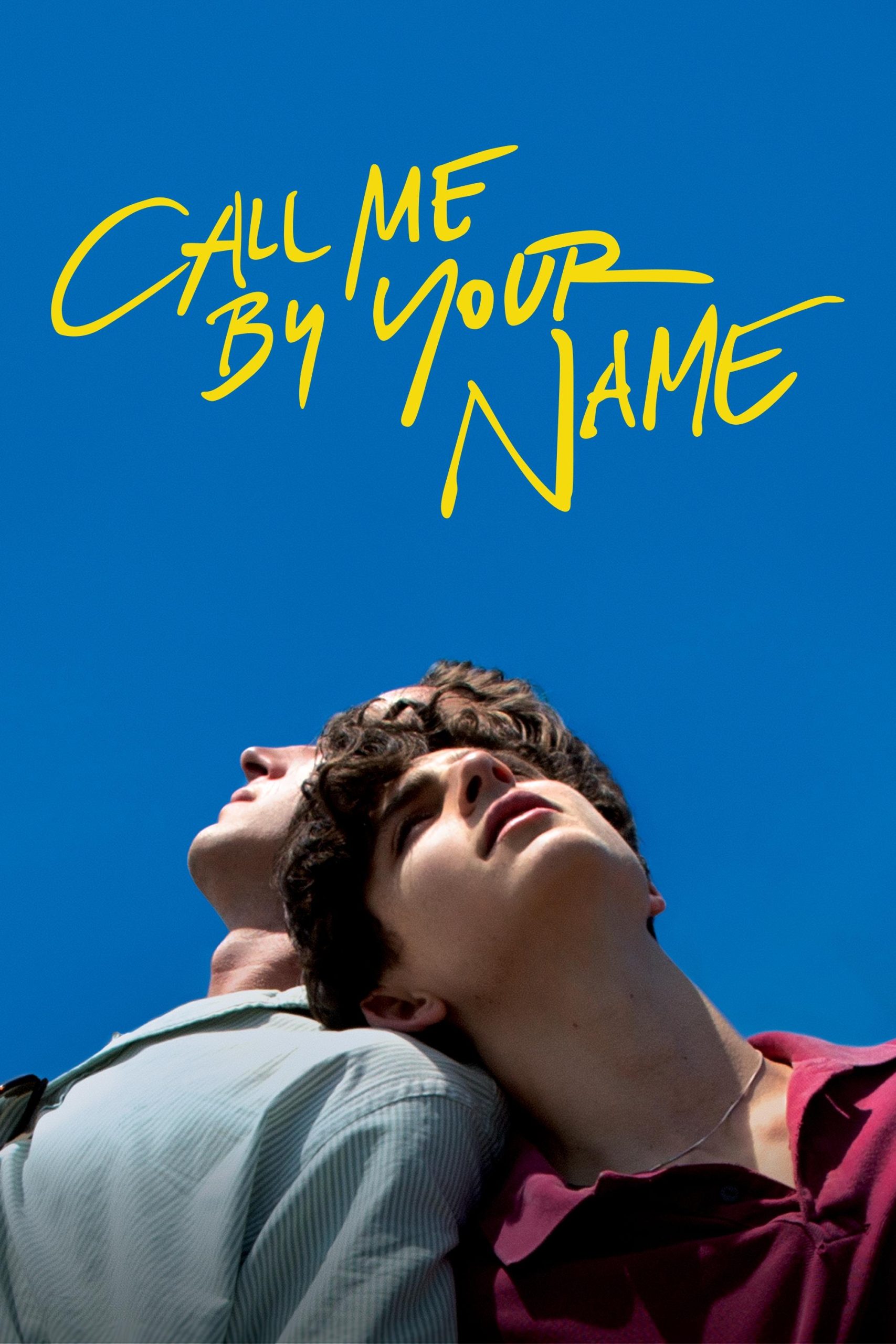
From the very first time I watched “Call Me by Your Name,” I was drawn in by the intensely authentic atmosphere it created—sultry Italian summer, lyrical conversations, unspoken longing. It made me wonder whether this story was plucked from someone’s real-life experience or if it owed its existence to pure imagination. After delving into its origins, I discovered that the film is not based on real events or directly inspired by any specific individuals. Instead, it is an adaptation of André Aciman’s 2007 novel of the same name, which itself is a work of fiction. Although the film’s emotional tenor and richly detailed setting often evoke the feeling of a true account, both the novel and movie are rooted in the realm of literary invention. At times, I felt as though I was peering into a memoir, but the realism here speaks to the emotional truth the creators sought to capture, rather than to fact.
The Real Events or Historical Inspirations
When I set out to research whether “Call Me by Your Name” had identifiable real-world origins, I kept finding myself circling back to André Aciman and his writing process. Aciman, who wrote the original novel, has spoken about the story being entirely his creation, one that did not draw directly from his personal experiences or any authentic recorded history. Yet, after reading and listening to interviews with Aciman, I sensed that the world he created mirrored something deeply felt rather than literally lived. He has mentioned channeling what he described as the “sum total of all my regrets” into the story, infusing it with a sense of nostalgia and desire that feels profoundly genuine. Still, that doesn’t make it autobiographical or strictly factual. What I found striking is that Aciman himself identifies as a straight, married man, which, if anything, further distances the plot from a recounting of his own romantic life.
I traced the influences further: the novel’s northern Italy setting did not spring from an actual place known to Aciman’s past, but rather from his admiration for the Italian landscape and culture he imagined. When I pay attention to the 1980s backdrop, I recognize it as an interesting historical frame, but once again, that’s artistic context, not a record of a true relationship. Although the script incorporates typical cultural markers from the era—cassette tapes, transcribing music, intellectual summer conversations—they are there to evoke realism, rather than document a particular past event.
As I read more deeply about Luca Guadagnino, the film’s director and an Italian himself, I sensed the adaptation was colored by his local knowledge. Yet, even with Guadagnino’s personal connection to the region, there’s no assertion from him or anyone involved that this story ever happened in real life. To me, the greatest inspiration for “Call Me by Your Name” is the world of literary fiction: Aciman wove together ingredients from classical literature, the history of art, and the omnipresent ache of adolescent longing, but without overlaying any of those things onto a real-world template.
What Was Changed or Dramatized
While it’s already clear to me that “Call Me by Your Name” does not depict a factual event, I couldn’t help but pay attention to the choices made in adapting the novel to the screen, especially the alterations that shape how the story is experienced. One of the most significant changes involves how the film compresses the time frame. In the book, I noticed that the romance between Elio and Oliver reverberates over many years—with a lengthy epilogue describing how their relationship influences their lives long after that single Italian summer. When Luca Guadagnino and screenwriter James Ivory crafted the film, they chose to pare this down, containing nearly all of the action within the few weeks of 1983. That decision heightened the urgency of young love, but inevitably omitted the retrospection and future consequences outlined in the source material.
Another difference I observed lay in the portrayal of intimacy and sexual discovery. The novel spends considerable time exploring Elio’s internal world, giving voice to his anxieties, desires, and reflections. The film, necessarily, externalizes many of those moments—transforming internal monologue into gestures, glances, lingering silences. It’s an interpretive shift, one that brings the audience closer to the palpable discomfort and thrill of Elio’s experience. Yet, as a result, some nuances of character and motivation that were spelled out in the book become subtler or more ambiguous on screen.
The characterizations also reflect interpretive changes. For instance, I found that Elio’s parents are more supportive and progressive in the film than their literary counterparts. The famous monologue delivered by Elio’s father near the film’s end—a meditation on love, pain, and self-acceptance—exists partly in the novel but is expanded and given a new weight in the adaptation. This moment, celebrated for its compassion, takes on a more universal significance in the film, and yet, it’s a dramatized version of what Aciman originally wrote.
Even the minutiae of the setting—the lush villa, the poolside breakfasts, the evocative summer air—were composed with a cinematic vision that might feel more idealized than any single real-life location. The town of Crema, where the film was shot, becomes a stand-in for Aciman’s imaginary Italian countryside. As someone looking for “true story” elements, I realized that these locations were carefully curated to serve the film’s emotional palette and not to reflect an identifiable historical space.
Historical Accuracy Overview
When I examine “Call Me by Your Name” through a historical lens, I find that its most faithful qualities lie in the honest recreation of a particular mood and era, not in chronicling an actual past event. Every time I watch the film, I am struck by how authentically it captures the textures and sights of rural northern Italy—sun-dappled orchards, timeless architecture, and a community that moves at a languid summer pace. This attention to detail even extends to the cultural and musical references peppered throughout—classical pieces, 80s pop, and the omnipresent influence of art and books.
In my assessment, the film’s representation of the social climate in 1983 Italy also feels thoughtfully rendered. Unlike many Western societies of the time, where conversations around sexuality often occurred in hushed tones or were avoided altogether, this film shows an unusually accepting family environment. While there are certainly individuals and communities that would have offered similar support, I know that this depiction represents more of a hopeful ideal than a statistical or cultural norm.
The language, customs, and daily rituals depicted in the Perlman household are created with impressive authenticity. I found that these details—learned from the filmmakers’ own backgrounds and research—ground the story in a reality that feels lived-in and believable. However, as a story of a same-sex relationship between a 17-year-old and a 24-year-old, the film engages with themes that have sparked much discussion about societal norms, ethics, and laws both then and now. While the film stays within the boundaries of local Italian law at the time and does not impose an American ethos, I recognize that it dramatizes interpersonal authenticity over documentary-style reporting.
Overall, “Call Me by Your Name” does not make historical claims regarding the specific love story it depicts. Instead, it calls upon accumulated details, mannerisms, and aesthetics from a well-researched period to breathe life into its fictional narrative. The events, the characters, and the villa itself feel true-to-life, but they are anchored in a carefully constructed framework of nostalgia rather than fact.
How Knowing the Facts Affects the Viewing Experience
Knowing that “Call Me by Your Name” is not based on a true story reshaped how I approached its emotional core. Initially, I found myself looking for parallels—wondering if the heartbreak and longing depicted on screen had their roots in someone’s diary or family lore. Once I understood that everything grew from André Aciman’s imagination, the story’s strength seemed to multiply, rather than diminish. I was free to appreciate the film as a meditation on desire, memory, and the pains of growing up, rather than as a report from history.
With this background, I found it easier to let go of any desire to judge characters through the lens of real-life responsibility, choosing instead to examine what their actions signify within the film’s universe. The rare acceptance and support shown by Elio’s family, the freedom of the Italian countryside, and the lack of overt conflict—they all become narrative choices that illuminate a version of coming-of-age not often shown in media. Rather than searching for documentary accuracy, I could ask myself what it means for a work of fiction to evoke such visceral truth in its viewers. Why do fabricated stories sometimes feel more truthful about the human condition than a careful historical account?
As I reflected on my own experience of watching the film, I realized that knowing its fictional roots made the ending feel more poignant. Elio’s solitary heartbreak by the fire, Oliver’s goodbye—all of it is a carefully constructed evocation of universal emotions. Understanding that this is not any one person’s story lets me read it as a collective memory, a stand-in for a multitude of unnamed first loves and losses. For people searching for true stories behind cinema, this film offers something different: it gives an emotionally honest portrait of a possible world, not a factual record of the past.
It occurred to me that audiences—myself included—sometimes crave a direct link to lived history, as if reality might authenticate art. Yet, in the case of “Call Me by Your Name”, the deliberate crafting of fiction serves another kind of authenticity, one rooted in emotional resonance more than factual anchoring. The film’s ache of nostalgia, the eloquence of longing, and the beauty of fleeting connections come not from eyewitness testimony, but from the skill with which Aciman and the filmmakers deploy fiction’s power.
Ultimately, understanding the film’s fictional status liberated me from expectations of “realism” in the journalistic sense, and made the authenticity of feeling—which is harder to measure or dispute—take center stage. Rather than mapping the story onto newspaper clippings or biographical trivia, I’m left marveling at how well-crafted fiction can evoke the timeless truths and buried regrets that define the landscape of memory.
After learning about the film’s origins, you may want to see how audiences and critics responded.
🎬 Check out today's best-selling movies on Amazon!
View Deals on Amazon