
Is This Film Based on a True Story?
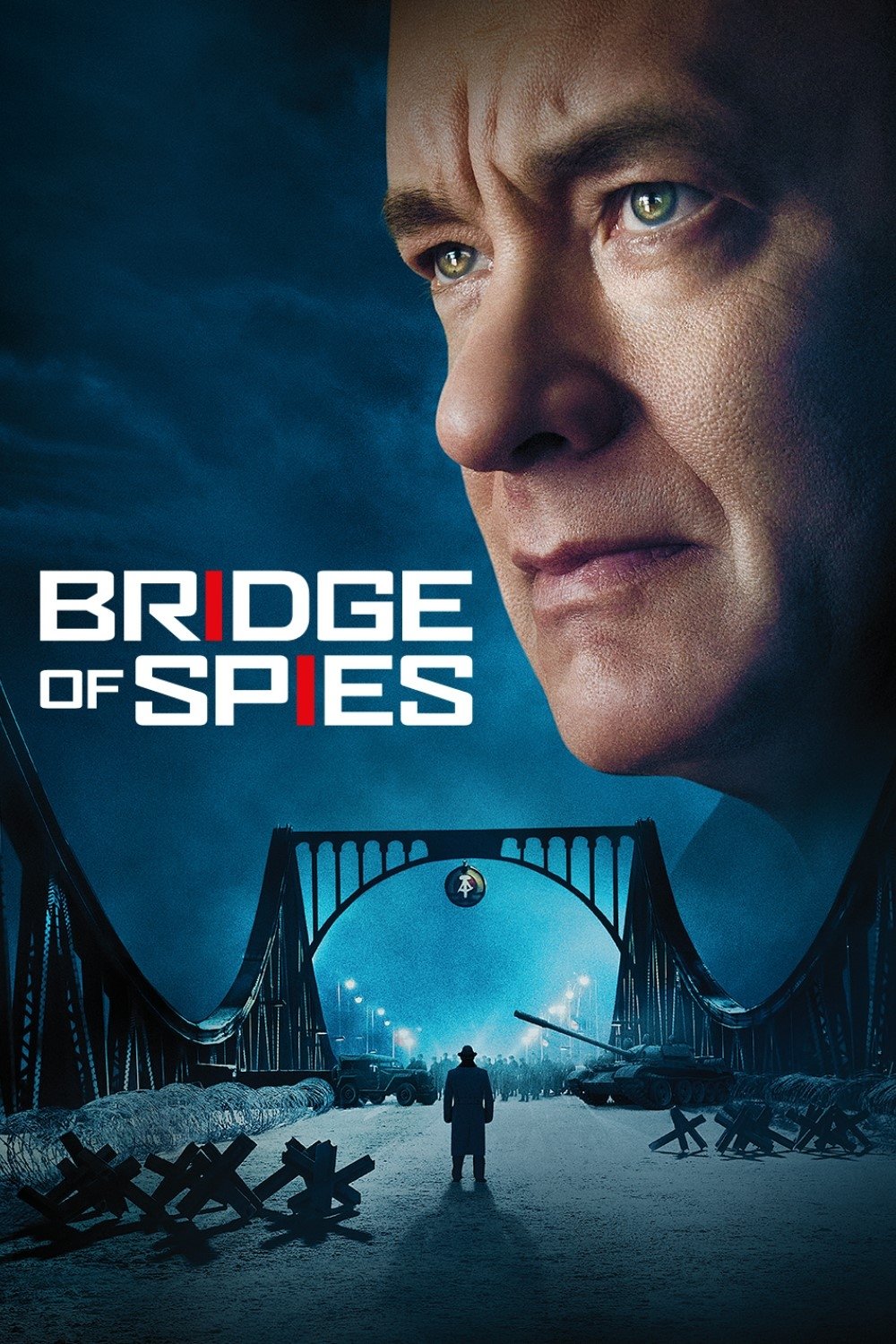
I remember approaching “Bridge of Spies” with an immediate curiosity about its roots in reality. Right from the opening minutes, I could sense that the film was telling a story that felt deeply embedded in the historical and political tensions of the Cold War era. As I pored over my notes and cross-referenced the events depicted in the movie, it quickly became clear to me: “Bridge of Spies” is unmistakably based on a true story. The film derives its foundation from actual historical events, specifically the 1960 exchange of captured spies between the United States and the Soviet Union. The figures the movie follows, such as James B. Donovan and Rudolf Abel, are not mere inventions—they were real people whose lives became entwined in a diplomatic saga that bridged hostile superpowers at a time when trust was at its thinnest. In watching this film, I realized I was witnessing a dramatization that does not shy away from its origins in real history, though it does employ creative liberties, as I would soon discover upon closer scrutiny.
The Real Events or Historical Inspirations
Whenever I analyze true-story adaptations, I’m drawn to tracing the exact historical threads a film is tugging. “Bridge of Spies” pulls directly from the pulse of the Cold War, famously marked by surreptitious surveillance, ideological standoffs, and high-stakes diplomatic maneuvering. I find its principal inspiration lies in the events that surrounded the downing of the American U-2 spy plane piloted by Francis Gary Powers in 1960. This incident led to Powers’ capture by the Soviet Union, while simultaneously, the U.S. had in custody the Soviet intelligence officer Rudolf Abel (real name: Vilyam Fisher), who had been arrested for espionage in 1957. In the film, just as in history, New York insurance lawyer James B. Donovan is called upon to defend Abel and later to negotiate Powers’ release—an assignment that would place Donovan at the center of a covert exchange at the Glienicke Bridge, the so-called “Bridge of Spies” between West Berlin and Potsdam.
The first time I researched this, I discovered that Donovan’s involvement was meticulously documented, not only in court transcripts and newspaper coverage from that turbulent time, but also in Donovan’s own memoir, “Strangers on a Bridge.” To me, the very title of Donovan’s book encapsulates both the literal and figurative chasms he had to traverse: cultural, political, and ethical. “Bridge of Spies” also draws from declassified intelligence documents, congressional records, and interviews with participants who helped shape these behind-the-scenes negotiations. The historical setting—the Berlin Wall’s abrupt construction, the simmering hostilities between intelligence agencies, and the complexities facing diplomats caught between warring ideologies—are not inventions but faithful representations of archival reality as I have come to understand it. This factual backbone makes the film, from my perspective, a rare case where cinema and the historical record converge with particular fidelity.
What Was Changed or Dramatized
My deep dive into the real “Bridge of Spies” events quickly made me aware that, unsurprisingly, the film is not a documentary. Spielberg and the screenwriters, including the Coen Brothers and Matt Charman, calibrate the narrative for tension, clarity, and emotional immediacy. The character of James Donovan—portrayed by Tom Hanks—retains much of the true man’s professional integrity and earnestness, but the real Donovan was already a seasoned legal mind with a background working at the Nuremberg Trials, which the film briefly acknowledges. Still, “Bridge of Spies” occasionally amplifies the isolation and danger he faced, making his trips behind the Berlin Wall appear more perilous and suspenseful than contemporaneous reports suggest. For instance, the film includes moments where Donovan is tailed, threatened, and coldly rebuffed by both Soviet and East German officials; while Donovan did encounter bureaucratic intransigence and suspicion, the presentation in the film often heightens these confrontations for dramatic effect.
One of the clearest dramatic inventions I noticed was the depiction of the negotiation for the release of both Francis Gary Powers and an American student named Frederic Pryor, who had been caught up in the construction of the Berlin Wall. While both men were indeed released as part of the negotiations, my research suggests that the actual process was less streamlined and less directly influenced by Donovan himself than the movie implies. The film tidily condenses weeks of negotiation and political maneuvering into a taut, personal encounter, which, while undeniably effective for storytelling, simplifies the real complexity and multiplicity of actors involved in securing the release of both men.
It also struck me how the portrayal of Rudolf Abel—deftly played by Mark Rylance—leans into stoic quietude and droll wit, lending him a sympathetic, almost philosophical dimension that may not have been so evident from the limited public records and trial transcripts. The “Would it help?” refrain attributed to Abel is memorable and helps to humanize him, yet I found no firm evidence that the real-life Abel ever used those exact words. Many of the private conversations and gestures that frame Donovan and Abel’s relationship are products of the script’s intentions to evoke empathy and underline mutual respect, shaping the emotional landscape in ways that go beyond documented history.
Additionally, the abundance of visual tension—the perilous journey through East Berlin, the harrowing encounters with border guards, the uncertainty at the bridge itself—stands heightened compared to the procedural reality. From my research, actual accounts of the night of the exchange indicate a far more controlled, if still tense, handover, with a larger cast of diplomatic and intelligence actors present than the film chooses to show. The narrative is compressed to focus our gaze sharply onto Donovan, making him the fulcrum on which the whole story pivots, when, in reality, he was operating as part of a larger apparatus of government contacts, legal advisors, and intelligence operatives.
Historical Accuracy Overview
I often find myself weighing how closely a film hews to the known timeline and character of historical events, and “Bridge of Spies” largely passes my rigor. The broad sequence of major events—the arrest and trial of Abel, Donovan’s reluctant acceptance of the defense, the U-2 shootdown, and the eventual negotiation for a prisoner exchange—unfolds in alignment with the archival record. When I went through Donovan’s memoir and contemporary news clippings, the essentials were remarkably consistent: Donovan really did defend Abel at great personal risk and against overwhelming public suspicion. He really did travel to Berlin after Powers was captured, working through intricate legal and diplomatic channels to secure the famous swap.
In matters of tone and setting, I think the film provides an atmospherically evocative portrait of Cold War paranoia and the climate of suspicion pervading both American and Soviet societies. From the period-accurate costuming and set design to the recreation of 1950s New York and early 1960s Berlin, much of what I saw on screen felt validated by photojournalism and film footage from that era. The basics of Abel’s arrest—his operation under the guise of an ordinary citizen, the use of hollow coins for secret communications, and the considerable FBI manhunt—are all grounded in public record.
However, the personal dynamics, dialogue, and emotional arcs receive the kind of embellishment I’ve come to expect from feature films. The negotiations’ complexity, which involved several layers of bureaucracy (including the CIA, KGB, East German intermediaries, and multiple branches of the U.S. government), is presented as a much more personalized, one-man achievement dominated by Donovan. While I applaud the focus for clarity and drama, this does obscure the broader teamwork and the many behind-the-scenes deals and setbacks that shaped the eventual exchange.
From what I’ve gathered, the dramatis personae—Donovan, Abel, Powers, Pryor—are all succinctly drawn from their real-life analogues, but the screenplay often narrows or heightens their characteristics to fulfill thematic requirements. It’s fair to say that, substantively, the points of truth outweigh the fabrications. The “Bridge of Spies” moniker, as well as the actual Glienicke Bridge’s role in facilitating Cold War exchanges, is historically anchored. There’s little doubt in my mind that the film delivers an accurate roadmap of a diplomatic crisis that could have destabilized relations even further had it not been so carefully managed by individuals like Donovan. Still, the embellishments are there, and, for a viewer like me who looks for documentary exactitude, those choices are worth noting.
How Knowing the Facts Affects the Viewing Experience
Every time I watch a historically inspired film, I can’t help but layer my understanding of the facts over the unfolding narrative, and “Bridge of Spies” proved particularly compelling in that regard. What I found striking is how the awareness of the true details colors the emotional and intellectual impact. Knowing just how much of Donovan’s story was rooted in principled negotiation rather than derring-do made me appreciate his quiet persistence all the more. The weight of his decisions, the public outcry against Abel’s defense, and the professional isolation he experienced frame his actions not as cinematic bravado but as acts of deliberate, uncomfortable conviction. This, to me, brings a real gravity that a purely fictional account would not.
I also found the negotiation scene at the bridge—crackling with quiet tension and understated gestures—much more resonant once I understood the practical mechanics of such Cold War exchanges. Learning about the number of intermediaries, the bureaucracy, and the genuinely painstaking pace at which such agreements were hammered out reminded me that real diplomacy is rarely as tidy as a screenplay. Yet that knowledge also added a dimension of awe: these figures were acting, with so much at stake, in environments defined by suspicion and fear, where a simple misstep could trigger much larger consequences. Seeing that dramatized on screen—albeit adjusted for narrative brevity—made me respect the real Donovan’s persistence even more.
The dramatization of Abel, too, took on new shadings. Understanding that the real Abel was quietly resolute, though not necessarily as openly philosophical as the film presents, sharpened my appreciation for the emotional subtleties that Mark Rylance brings to his performance. Knowing how much of their onscreen rapport was constructed or imagined by the script allowed me to separate the pleasure of great acting from a literal reading of their relationship, focusing instead on the broader question of how humanity can persist even in adversarial circumstances. Each time I noticed a moment that felt like an invented character beat, I was reminded that films, even as they strive for authenticity, ultimately must stitch together lived reality with narrative needs.
As someone always hungry for historical clarity, discovering the factual underpinnings of “Bridge of Spies” reframed my engagement with the story’s stakes. I found myself less focused on whether every detail was a perfect replica of history and more attuned to what the film was trying to communicate about the collision of morality, legality, and geopolitical necessity. Knowing the real Donovan’s background—his work at Nuremberg, his status as a lawyer rather than a field agent—helped me ground the film’s depiction in the realm of the possible rather than the extraordinary. I left the film thinking about the millions of quieter, less visible acts of courage and persistence that define so much of diplomatic history.
Ultimately, knowing the origins of “Bridge of Spies” gave me a dual lens: one of appreciation for its thorough research and atmospheric fidelity, and another of discernment, alert to the shaping hand of storytelling conventions. That awareness heightened my viewing experience, letting me marvel at how truth and artful license intersect on screen, and how even the smallest dramatization can serve to illuminate larger historical truths. For anyone curious about the hidden world of Cold War diplomacy, I believe this film offers a starting point for deeper investigation—and for me, that journey between fact and cinematic representation remains as riveting as the story itself.
After learning about the film’s origins, you may want to see how audiences and critics responded.
🎬 Check out today's best-selling movies on Amazon!
View Deals on Amazon