
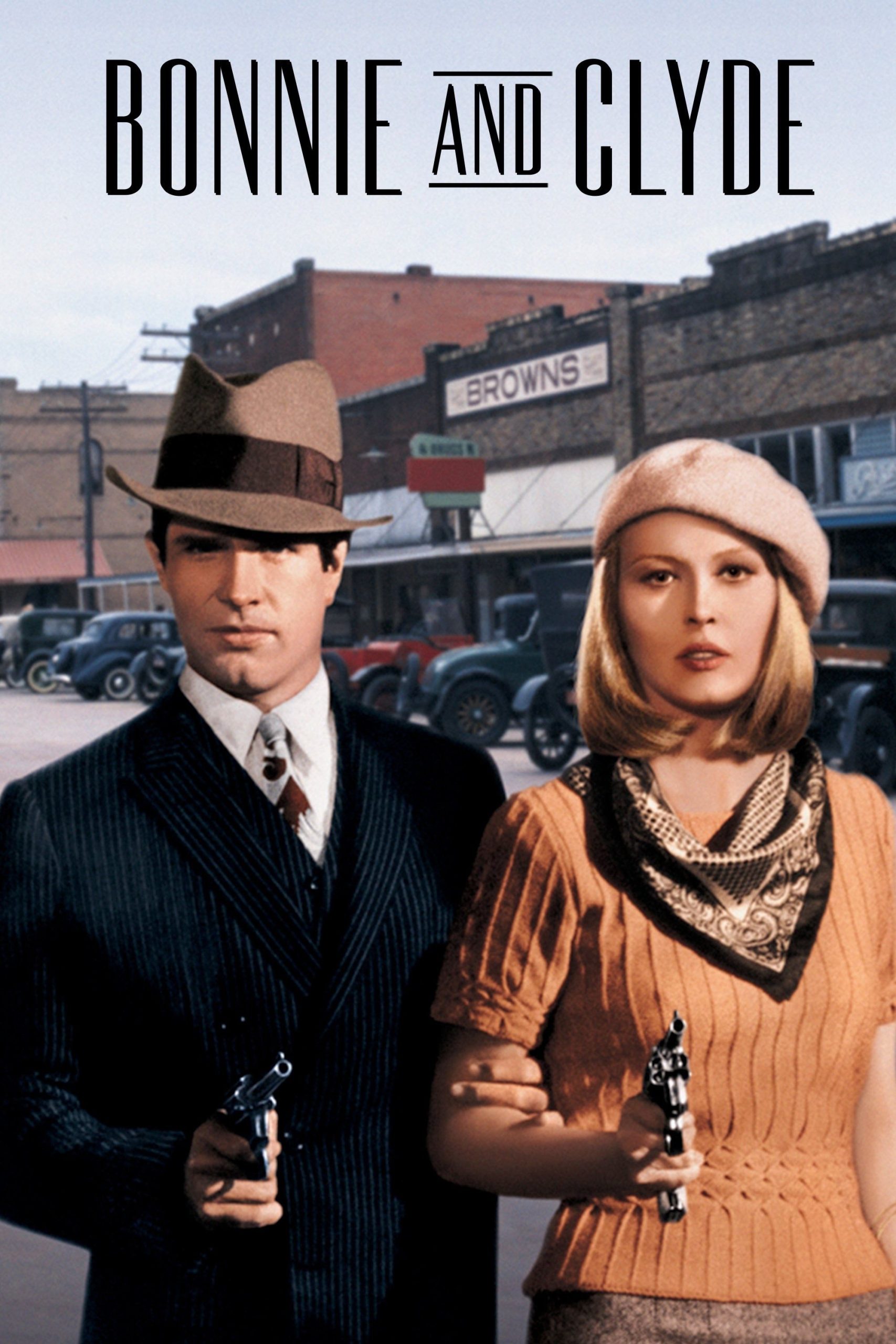
Is This Film Based on a True Story?
When I first sat down to watch “Bonnie and Clyde,” I immediately felt the palpable tension between myth and reality. What drew me in most was this lingering question: just how much of these events actually transpired outside the silver screen? As a researcher who thrives on the intersection of cinema and factual history, I can say unequivocally that “Bonnie and Clyde” is indeed based on real events. The main characters—Bonnie Parker and Clyde Barrow—existed and left an infamous trail during the Great Depression. While the film closely follows the arc of their criminal career, I also noticed that several scenes, interactions, and motivations were carefully shaped for dramatic purposes. So, for anyone wondering if the movie is rooted in truth or pure fiction, I would call it a dramatized retelling of genuine historical events, with both fidelity and embellishment interwoven throughout.
The Real Events or Historical Inspirations
Bringing real history onto the screen always intrigues me; “Bonnie and Clyde” is no exception. My research quickly led me to the dust-laden roads of early 1930s Texas and the lives of two young outlaws who became notorious nationwide. Bonnie Parker and Clyde Barrow really did form one of the era’s most feared and romanticized criminal pairs. Stories of their exploits appeared in newspapers, driven by both public fascination and fear, making them household names even before the film existed.
I found period police bulletins, wanted posters, and black-and-white photographs documenting their hold-ups and getaways, all of which confirmed that the duo and members of their gang—the so-called Barrow Gang—were involved in robberies, burglaries, and murders across several states. Their high-profile pursuit by law enforcement, including the relentless hunt led by Texas Ranger Frank Hamer, is grounded in fact. Several details in the movie, such as the infamous ambush that ended Bonnie and Clyde’s lives, directly reflect historical records.
At the same time, the Parker-Barrow story acquired nearly mythical aspects, sometimes due to the media’s own romanticism. I dove into letters, contemporary articles, and photo evidence—like the now-iconic snapshot of Bonnie biting a cigar while resting on a stolen car fender—which all fueled the public’s imagination both then and now. When I look beneath the cinematic gloss, it’s clear the filmmakers consulted these real documents, crime reports, and eyewitness accounts to construct the skeleton of their story. Most characters, including lawmen and gang members, have real-life counterparts. The central timeline—stretching from Bonnie’s boredom in West Dallas through the crime spree and violent ending—is historically anchored, even if events sometimes unfold on a different scale or in a compressed chronology within the film.
What Was Changed or Dramatized
Drawing lines between fact and invention in “Bonnie and Clyde” became fascinating the deeper I dug. For example, the movie paints the couple’s romance as passionate and even poetic, but my research suggests their relationship was far more complicated, troubled by family ties and the constant strain of evading the law. One narrative invention stood out: the presentation of Bonnie and Clyde as almost star-crossed lovers, driven by necessity, love, and a rebellious spirit. In reality, their motivation often seems more rooted in survival and criminal opportunity than in the tragic romance we see on film.
The film’s most notable departures usually occur around dialogue and characterization. I noticed how the snappy banter and stylized interactions between Bonnie, Clyde, and their associates were likely tailored for dramatic impact rather than accuracy. The screenwriters seemed to have infused scenes with a youthful irreverence, possibly to resonate with contemporary 1960s audiences, rather than to reflect the actual personalities and speech patterns of Depression-era Texans. Even the composite character of C.W. Moss drew from a blend of two real Barrow Gang members—W.D. Jones and Henry Methvin—streamlining several real-life figures into one for ease of storytelling.
Another area of creative liberty came in the form of violence and spectacle. The film’s infamous final shootout, for instance, pulls from actual police reports but is heightened visually and emotionally on screen. The bloodshed’s explicit stylization was not only a filmmaking choice; in my view, it shaped how generations would perceive the true event. Some of the real-life crimes were less dramatic than depicted, occurring in moments of confusion or panic rather than deliberate, slow-motion showdowns. The movie’s focus on bank robberies over other types of crime—such as smaller store hold-ups—also streamlines the duo’s lengthy criminal record for narrative purposes.
Certain relationships, particularly between law enforcement and the Barrow gang, are embellished or condensed. Frank Hamer, for instance, is shown as harboring a deep, personal vendetta against the outlaws, yet real-life documentation suggests he became involved primarily out of professional duty, and only later in their crime spree. The depiction of Clyde as sexually impotent is a character choice for dramatic tension and is not corroborated by historical sources. For me, this particular invention reveals how filmmakers often introduce psychological dimensions to make the leads more accessible to modern viewers, even if it means straying from primary evidence.
Finally, the film’s dialogue and imagery occasionally echo the values and zeitgeist of the 1960s—a decade known for its countercultural energy and skepticism of authority—rather than of Depression-era America. That’s something I can’t help but notice whenever the film tries to invoke the outlaw as a symbol of freedom or rebellion, since the historical figures often saw themselves as desperate and hunted, their choices less about protest than about escaping poverty or justice.
Historical Accuracy Overview
Whenever I investigate historical adaptations, I weigh both fidelity and fiction—two sides always at odds in movies like this. With “Bonnie and Clyde,” I discovered that many of the film’s broad strokes do match up well with actual events. The couple’s origins, jobs, family lives, and many of their crimes are grounded in published histories, archives, and court records. The notorious final ambush in Louisiana—where Bonnie and Clyde were gunned down by a heavily armed posse—occurred almost exactly as the film shows, down to the overwhelming firepower and their lack of warning or negotiation. Law enforcement agents like Frank Hamer and the evolving tactics of the authorities are also based on documented historical fact.
On the other hand, I noticed that important parts were modified to create drama or to streamline the messy realities of the Depression-era crime spree. Romanticizing the couple’s relationship, for one, removes some of the personal tragedy and friction reported in surviving letters and third-party anecdotes. The sexual element—such as Clyde’s fictionalized impotence—has no basis in the archives I reviewed. Even the climactic gunfight, for all its realism, leans heavily on slow-motion and prolonged tension, exaggerating the immediacy and brutality for cinematic effect.
Family and gang members are sometimes simplified or omitted entirely, collapsing real people like Blanche Barrow and W.D. Jones into more manageable characters and omitting others like Buck Barrow’s deeper involvement. The lawmen’s motivations and strategies often seem more like the work of screen storytellers than detectives piecing together evidence. That said, moments like the impromptu roadside photo shoots or the public infamy surrounding the gang closely tie the narrative to documented historical phenomena—America’s obsession with outlaw legends.
What stood out most to me were the areas where the film inserted artistic flourishes: dramatic slow-motion death scenes, period-appropriate but stylized costumes, or the use of modern camera techniques and musical cues aimed at a 1960s sensibility. These additions create an emotional resonance that sometimes diverges from the lived experiences of the real people involved. Still, the basic outline—the couple born poor, drawn together by shared restlessness, falling into crime, outpacing law enforcement for years before dying violently together—is rooted in fact and supported by decades of research and testimony.
Some key events, like the 1934 breakout of associate Henry Methvin from Eastham prison or the violent skirmishes with lawmen that left several dead, do correspond closely to actual events. However, the degree of empathy and antihero sentiment attached to Bonnie and Clyde in the film is more a product of mid-century American culture than Depression-era reality. The real Bonnie and Clyde were feared and despised by many, rather than celebrated icons. Newspaper stories from their time, which I pored over, reflect both fascination and revulsion, but rarely the glamorization that later films—or this one in particular—lend them.
How Knowing the Facts Affects the Viewing Experience
For me, diving into the true history behind “Bonnie and Clyde” adds an unmistakable richness to every viewing. Recognizing the real pain, fear, and desperation that haunted Depression-era America gives every shot of the couple’s wild ride a new sense of gravity. I notice small details—the muddy roads, the specter of relentless poverty, the tense camaraderie in rundown hideouts—and appreciate how these were drawn, even if imperfectly, from harsh reality.
Knowing the facts changes how I relate to the characters and the world they inhabit. Instead of simply being swept up in a cinematic tale of rebellion and romance, I see the gritty underside of their choices. When the film pauses to revel in Bonnie and Clyde’s charm or wit, I recall the testimonies of survivors and the sorrow of victims, placing the movie’s lighter moments in stark contrast with its darker truths. Awareness of the film’s creative embellishments—like the heightened sexuality or exaggerated lawman vendettas—reminds me that legendary status comes as much from how stories are told as from what actually happened.
Much of the movie’s power, at least for me, lies in the careful dance it performs between truth and spectacle. When I’m aware of which moments were invented or stylized, I begin to see the movie both as a record of its own time (the 1960s) and as an imaginative retelling of history. The film’s iconic ending, with its slow-motion violence and tragic inevitability, is particularly poignant when I know that real people’s lives ended in sudden, brutal ways—devoid of the mythic resonance cinema can lend. The actual photographs of the aftermath, which I’ve seen in archives, are haunting in their ordinariness, casting the film’s high drama in a sobering light.
Personal engagement with the historical record transforms each scene. Rather than viewing the story only through the lens of Hollywood, I feel connected to the struggles of the era and more nuanced in my understanding of why Bonnie and Clyde have come to symbolize something larger than themselves. I’m left reflecting on the line between notoriety and legend, and how both the real events and the film’s creative choices have shaped the couple’s lasting place in popular culture. For any viewer willing to look beyond the screen, knowing the facts not only enhances the experience, but also deepens the questions asked about fame, violence, and the stories we choose to remember.
After learning about the film’s origins, you may want to see how audiences and critics responded.
🎬 Check out today's best-selling movies on Amazon!
View Deals on Amazon