
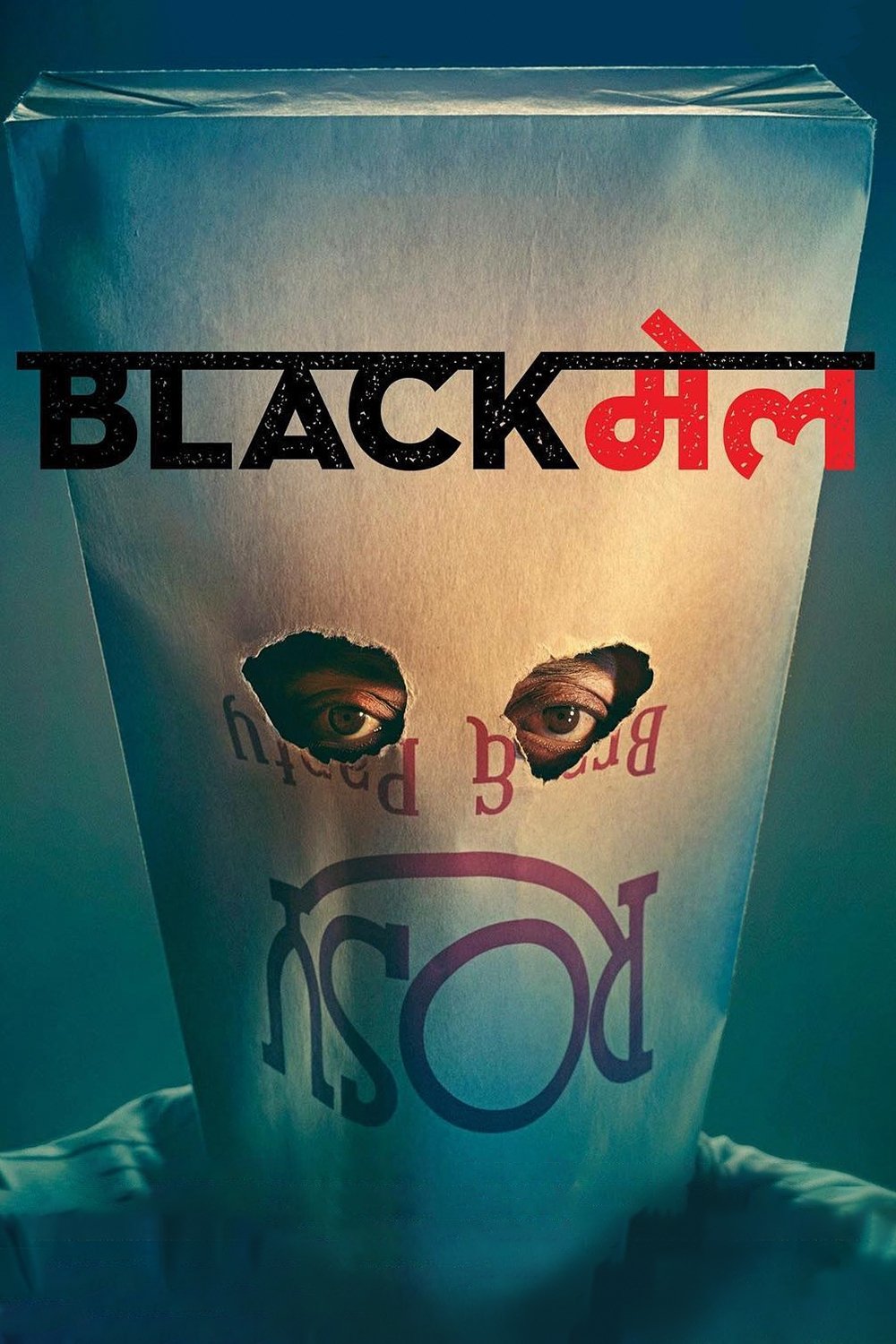
Is This Film Based on a True Story?
Whenever I watch “Blackmail” from 1929, I’m struck by how confidently it plunges into the murky waters of guilt, secrecy, and urban paranoia. It’s an arresting example of early British suspense—but as far as actual events go, I see nothing in its DNA that links it directly to real people or newspaper accounts. For me, the story unspools as a remarkably crafted fiction, not a retelling or dramatization of a specific incident from history. The film isn’t “inspired by” a notorious case, nor does it draw from someone’s memoirs or court records. Instead, its origins lie squarely in the realm of imagination, albeit filtered through the anxieties and cultural climate of late 1920s Britain. Whenever I return to it, it feels distant from anything biographical or documentary—instead, I see it as pure invention, a product of its playwright source and of Hitchcock’s early cinematic vision.
The Real Events or Historical Inspirations
As I dug into the genesis of “Blackmail,” I realized it owes its plot not to police files or tabloid headlines, but to a stage play of the same name by Charles Bennett. This play premiered just a year before the film, in 1928. When I try to find a point where documented history intersects with the film, I come up empty: neither Bennett’s play nor Hitchcock’s adaptation is tied to any authentic criminal case or notorious figure from the era. The world depicted—its police, its criminals, and its fraught moral dilemmas—strikes me as an artistic distillation of urban fears, not a replay of actual events. In fact, when I look at Bennett’s career, I see that he was more interested in thrilling plots and shocking twists than in dramatizing true stories. Some thematic elements, like blackmail or the tension of being caught up in something bigger than oneself, undoubtedly echo real-life concerns of the time, but as I see it, these are broad cultural phenomena rather than precise historical inspirations. The script is firmly in the territory of crafted drama: constructed to grip and unsettle rather than to inform or memorialize.
What Was Changed or Dramatized
Whenever I reflect on “Blackmail” and where it diverges from reality, what stands out to me is how much creative license is taken to maximize suspense and psychological tension. Since the narrative isn’t tethered to a true event, I find that the story was forged almost entirely out of dramatic need: every character and plot twist is designed for effect rather than accuracy. One of the most striking departures, to me, lies in the way the film ratchets up the stakes. The accidental killing at its core, for example, is presented as an act of desperate self-defense that spirals into a brutal game of secrecy and extortion. This isn’t a re-creation of an actual crime, but rather a kind of heightened template for personal crisis. I always sense in Hitchcock’s adaptation a deliberate transformation—he magnifies the play’s tension and injects moments of experimental visual storytelling, all tailored for film audiences rather than for truthfulness. Minor details, like the chase through the British Museum or the memorable moments of dialogue (notably, the repeated “knife… knife…” sequence), are there to play with cinematic form and audience nerves, not to stick to any particular chronicle of real-life events. Even the police investigation, while vivid, follows the beats of classic melodrama more than it mirrors the painstaking or plodding procedures of actual 1920s law enforcement. The emotional landscapes, too, are painted with broad, sometimes expressionistic brushstrokes, amplifying the characters’ turmoil beyond what’s typically documented in real journals or confessions. In my mind, everything pivotal to the plot is a crafted exaggeration—intended to keep us guessing and unsettled, not to walk us through a slice of real history.
Historical Accuracy Overview
Thinking about the film’s accuracy, I see “Blackmail” as a strangely paradoxical experience. On one level, the background, costumes, and dialogue evoke a believable London of the late 1920s—a world on the cusp of modernity, rife with social anxieties and shifting norms, which anyone at the time could recognize. The city feels real to me, as do the ambient fears around crime, the tensions between duty and desire, and the figure of the working woman caught up in urban drama. But as much as these details offer local color and psychological realism, they don’t anchor the film in specific, verifiable events. The core criminal plot—accidental killing, tormented guilt, opportunistic blackmail—reads to me as the stuff of genre, not history. Having researched both the original play and contemporary sources, I haven’t found cases or personalities that neatly map onto any of the characters. The methods and motivations of the blackmailer, for example, are drawn with an eye for suspense rather than scrupulous authenticity. I’d argue that the only “historical truth” on display is the atmosphere that cloaks the characters: the sense of looming dread, the mistrust of bureaucracy, and the unease that runs through interwar London. In sum, “Blackmail” is authentic in mood and setting, but its plot events and characters are fully fictional—arranged to reflect collective anxiety, not to document real-world happenings. Each time I watch it, I’m aware that while it may be plausible, it never crosses into being a reliable record of anything factual.
How Knowing the Facts Affects the Viewing Experience
Whenever I approach “Blackmail” with its factual background—or more accurately, its lack thereof—I find my expectations recalibrate. Because I know the story wasn’t lifted from the headlines or rooted in an actual case, I’m free to focus on the ways Hitchcock manipulates tension and character rather than becoming distracted by comparisons to real criminal investigations or court outcomes. For me, knowing that it’s purely an invented tale brings the artistry into sharper relief: I pay closer attention to the film’s psychological depth, how it places an ordinary woman at the center of extraordinary pressures, and the lengths to which it stretches plausibility to make us empathize with her situation. This understanding prevents me from treating the narrative as a puzzle to be untangled or a mystery whose solution lies outside the film itself. Instead, I surrender more readily to the intricate web of suspicion and fear, appreciating the craftsmanship in how suspicion seeps through every scene. The film’s resonance isn’t diminished by its lack of direct historical roots; if anything, knowing that the events never happened lets me see the filmmakers’ ambitions with greater clarity. I’m compelled by how “Blackmail” anticipates later noir and crime thrillers in its construction of atmosphere and its deep dive into psychological aftermath. Learning about its origins reinforced for me that its greatest triumph is inventing a human reality compelling enough to feel plausible—making the world of the film credible, even when it isn’t a record of something real. Whenever I discuss the film or introduce others to it, I emphasize that it’s a cultural artifact, a fiction that tells us much about interwar anxieties, gender roles, and emerging cinematic technique—but not a factual account to be cross-referenced or fact-checked. For me, understanding its origins shapes my appreciation, sharpening my eye for detail and deepening my respect for how fiction can conjure truths about a particular place and time, even if the events themselves are pure invention.
After learning about the film’s origins, you may want to see how audiences and critics responded.
🎬 Check out today's best-selling movies on Amazon!
View Deals on Amazon