
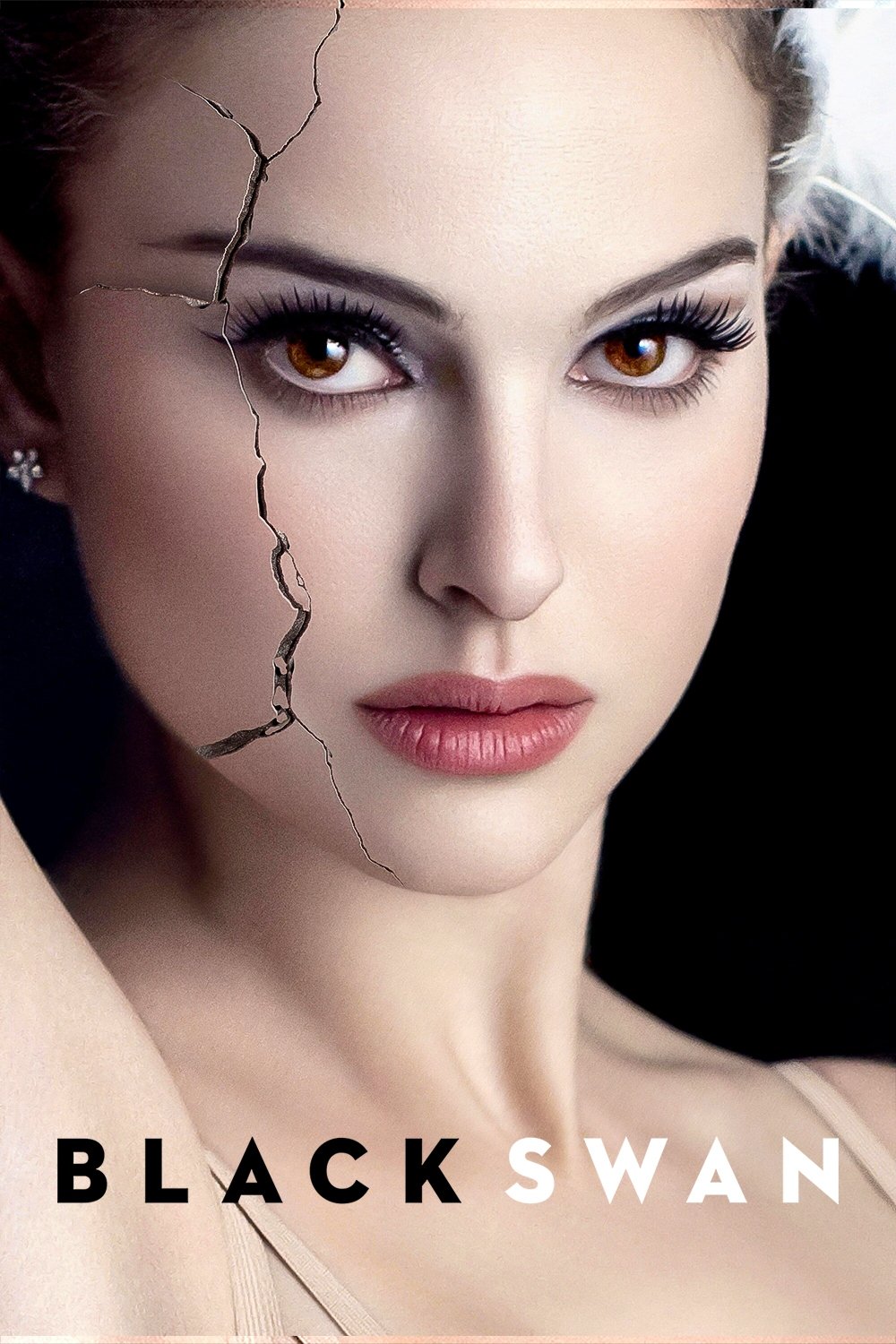
The Question of Truth Behind the Film
The first time I watched “Black Swan,” I found myself wrestling with the blurry separation between what felt authentic and what was obviously conjured for narrative effect. For me, this question—whether a film is rooted in actual events or exists purely in the realm of fiction—shapes not only my emotional engagement, but also the lens through which I decode symbolism, motivation, and consequence. I’ve noticed that viewers, myself included, often gravitate toward asking, “Is this a true story?” as if that knowledge would grant a kind of privileged access to the meaning beneath the surface. When I encounter a film that hints at biography, reportage, or lived experience, my assumptions subtly shift. I expect the narrative to answer to the world outside the screen; I become attentive to accuracy and faithful recreation, often holding the filmmakers to the imagined standard of ‘truthfulness.’ It’s almost as though a movie that claims some empirical anchor comes with a silent contract, an implicit promise that what is being depicted aligns, however loosely, with the world as it is or was. In contrast, when I realize a film is entirely fictional, my curiosity leans more toward what the story is trying to say about inner reality or collective fantasy, rather than journalistic precision.
With “Black Swan,” I was struck by how frequently people asked whether it was inspired by a real dancer, a true incident, or a specific controversy in the ballet world. This urge, I think, reflects our collective desire to locate stories, especially those so psychologically intense and meticulously detailed, within a shared or historical context. In my own experience, this search is not about mere trivia; it’s about understanding whether the protagonist’s journey stands as metaphor or if it’s echoing situations that have actually transpired. The “based on a true story” label—when present—typically colors the way I perceive risk, confession, and authenticity within a film. It suggests that the filmmaker is dramatizing something that once unfolded in concrete terms, compelling me to ask: How closely does this fictional world mirror, or diverge from, the documented one? I find this question especially pressing in performances where the emotional or psychological stakes are high, as with Natalie Portman’s portrayal of Nina Sayers. The implicit stakes of truthfulness in cinema, for me, are rarely abstract; they mold the emotional territory I allow myself to inhabit as a viewer.
Historical Facts and Cinematic Interpretation
As I try to untangle the reality behind “Black Swan,” I quickly learn that unlike many biographical dramas or films overtly grounded in news events, the movie does not directly adapt a historical incident or the life of a specific dancer. Yet, I can’t ignore how the film draws deeply from the world of classical ballet and from enduring stories of prodigies cracked under the pressure of perfection. My research reveals that while no real-life ballerina matches Nina’s exact narrative, the ballet world’s history is peppered with stories of dancers suffering under psychological, emotional, and physical demands. I sense that the writers and director absorbed these collective experiences not to report them factually, but to remix them into a heightened, expressionistic canvas.
When I examine how films generally adapt real events, I notice that historical details are almost always subject to rearrangement—compressed timelines, amalgamated characters, and streamlined conflicts are common tools. While “Black Swan” lacks a concrete event as its spine, I believe the film practices a parallel approach by selecting aspects of ballet life—a demanding rehearsal schedule, fierce rivalries, relentless parental influence—and shaping them into a focused narrative. My impression is that the psychological extremes Nina experiences are exaggerated beyond typical lived experience, yet root themselves in kernels of recognizable truth. The mounting pressures, fear of failure, and drive for transcendent performance, while individually part of many dancers’ biographies, are distilled and intensified in cinema to evoke a particular emotional resonance. This, for me, exemplifies the art of cinematic interpretation: reality’s raw material is transformed through choices of emphasis and omission, producing something less about journalism and more about shared psychological realities.
Even though there’s no single “true story” from which “Black Swan” draws, the narrative, I find, borrows heavily from the structure and tropes of behind-the-curtain accounts. It seems to reinterpret an entire subculture’s anxieties and rumors—tales of destructive ambition, doubled selves, and artistic self-obliteration—rather than any one factual series of events. To my mind, this approach doesn’t dilute the intensity of emotional engagement; instead, it offers the freedom to represent collective truths, patterns of experience that recur often enough to feel authentic, even if no single example provides evidence for every detail on screen. In the case of “Black Swan,” the facts are less about dates and names than about the documented tendencies toward obsession and perfectionism in the ballet world, funneled through the story of one dancer whose journey embodies these extremes. The result, at least for me, is a film that inhabits a kind of cinematic truth: not documentation, but a dense layering of real fears, ambitions, and breakdowns, filtered through narrative invention.
What Changes When Reality Is Shaped for Cinema
As I reflect on the choices “Black Swan” makes in reshaping reality, I’m consistently reminded of the classic dilemma faced by storytellers who translate lived experience to the screen. There’s an unavoidable tension between presenting a story with historical precision and creating a visually and emotionally compelling work. For me, “Black Swan” serves as an absorbing case study of how certain aspects of real-life situations—artistic rivalry, the toll of perfectionism, psychological unraveling—are sculpted for maximum effect, occasionally departing from the likely continuum of real events.
I’ve seen this play out in countless films where lived experiences must be organized for clarity or compressed for coherence. In the case of “Black Swan,” I perceive a conscious decision to escalate every conflict and emotional beat. Instead of offering a running chronicle of a real dancer’s life, the film distills archetypal fears and desires into symbols, hallucinations, and visceral encounters. I find that this approach allows the story to become more than the sum of its factual parts. Certain trade-offs are especially apparent: specific details of ballet training might be simplified or dramatized, composite characters might be used to intensify rivalry, and personal backstories may veer into operatic territory. Such choices, I believe, are less about transforming truth into fiction and more about using the canvas of cinema to paint inner reality.
This reshaping, in my analysis, is not unique to “Black Swan”; it’s embedded in the DNA of how all narrative cinema interprets fact. When I watch the film knowing that it’s not adapted from a memoir or historical document, I become more sensitive to the liberties taken in its portrayal of artistic struggle and psychological collapse. Yet, I also see how these departures create space for broader resonance. By amplifying certain anxieties or spiritual crises, the film eschews literal truth in favor of thematic depth. I often find myself negotiating between enjoying the plausibility of the story and accepting its deliberate surreality. The heightened style—the merging of Nina’s subjective hallucinations with the supposed reality of her world—forces me to question what elements are meant to be received as “real” within the film’s diegesis. Ultimately, this process of shaping reality for cinema, I think, encourages viewers like me to read the film on multiple levels, balancing literal-minded skepticism with openness to metaphor.
Audience Expectations and the “True Story” Label
I have always been fascinated by how the way a film is marketed shapes my viewing experience. If I sit down to watch something explicitly advertised as “based on a true story,” I come in expecting a reenactment of events, a certain fealty to fact. When I watch “Black Swan,” with its blend of psychological horror and melodrama, I do not look for one-to-one correspondences between character and real-life figure. Still, I notice how often casual viewers—including myself at times—are tempted to ask, “Could this have happened to someone?” or “Was there a real Nina Sayers?” For many, the allure of the “true story” label seems to lie in the validation it offers: if something this extraordinary occurred, its retelling must carry an extra layer of meaning, perhaps even an implicit lesson.
In my experience, the absence of a “based on true events” disclaimer for “Black Swan” delivers a different kind of license. It signals that I’m invited to experience the film as an artistic meditation, unconstrained by the need to double-check details against the historical record. This doesn’t mean that I watch with total emotional detachment; in fact, sometimes the lack of verifiable reality allows me to be more receptive to the psychological truths the story aims to evoke. The film’s status as fictional frees both the creators and the audience—myself included— to focus on interior rather than exterior accuracy. I find myself engaging more with the protagonist’s subjective descent, seeing her paranoia and ambition as a distillation of feelings many artists (and viewers) may relate to, even outside the ballet world.
On the other hand, I recognize that some viewers approach “Black Swan” with the expectation that it functions as an insider’s glimpse into the ballet world, and any perceived exaggeration or surreal flourish might be read as evidence of inauthenticity. I think this can lead to a disconnect, where the lack of factual basis is interpreted as a shortcoming rather than a deliberate authorial choice. Personally, I see value in both responses. For some, knowing whether events truly happened is crucial to feeling invested; for others, the potency of the story stands on its own terms, with or without validation from the outside world. What remains consistent in my view is that the “true story” label predisposes audiences—myself included—to watch with a certain kind of critical attention. That attention, whether to verisimilitude or symbolic meaning, fundamentally alters how the film is understood, dissected, and remembered.
Final Perspective on Fact vs Fiction
Reflecting on my repeated viewings of “Black Swan,” I am convinced that the interplay between fact and fiction is less a boundary than a spectrum. The awareness that the film springs not from precise real-world events but from the amalgamation of common artistic anxieties and mythic personal challenges changes the way I listen to its story. As I peel away the layers of Nina’s transformation, I keep in mind that what is being presented isn’t a direct transcription of history, but rather an imaginative grappling with psychological realities that have appeared again and again in the arts.
For me, knowing what is real or fictional does not diminish the impact of the film, but it sharpens my sense of what the story aims to probe. I am less preoccupied with identifying factual accuracy and more attuned to the metaphorical weight of Nina’s journey: her struggles reflect themes of artistic transcendence, the collapse of boundaries between self and role, and the perilous allure of perfection. The factual origin, or lack thereof, acts as a filter through which I interpret the film’s more extravagant or supernatural moments. When I recognize that these might not be literal representations of the ballet world, but rather visualizations of internal struggle, my reading grows more layered, less literal-minded.
Ultimately, my understanding of “Black Swan” is enriched by keeping one eye on what the film borrows from documented experiences, and the other on how it subverts, exaggerates, or even invents those phenomena for emotional effect. The question of whether the events on screen ever truly happened is, for me, less important than what those events express, evoke, and unsettle within the collective imagination. My engagement deepens not because the story is ‘true’ in the historical sense, but because it reverberates with recognizable fears and ambitions, which I believe are as real in their psychological impact as any string of verifiable events. That, to me, is how knowing the relationship between fact and fiction recalibrates the entire experience of watching, thinking about, and ultimately cherishing a film like “Black Swan.”
For additional context, you may also explore the film’s overview and how it was received by audiences and critics.
🎬 Check out today's best-selling movies on Amazon!
View Deals on Amazon