Is This Film Based on a True Story?
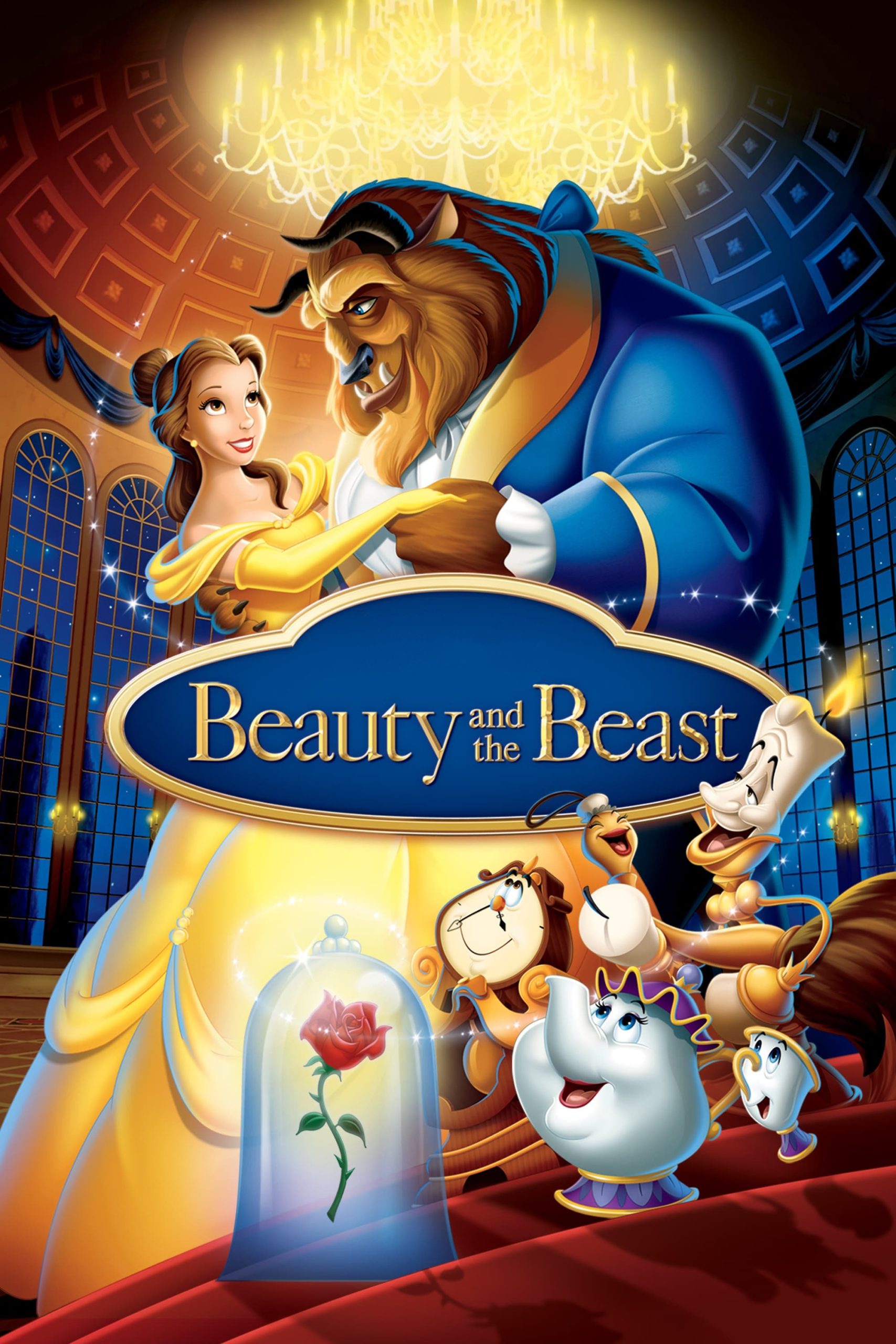
Nothing quite captures the wonder of my own childhood viewings like “Beauty and the Beast,” the 1991 animated classic. But as I’ve deepened my film research, I’ve grown ever more fascinated by the ways audiences ask if something so whimsical and magical could ever have its roots in reality. When it comes to this film, I can state directly: “Beauty and the Beast” is not based on a true story or any real historical events. Instead, it is an adaptation of traditional European fairy tales, most notably the French story “La Belle et la Bête.” While its plot and characters are entirely fictional, the tale itself holds a long lineage within literary and folk traditions, which I find both significant and worthy of close scrutiny.
The Real Events or Historical Inspirations
Whenever I revisit “Beauty and the Beast,” I can’t help but think about how it draws all of its source material from the wellspring of classic literature, particularly the 18th-century French fairy tale. The widely acknowledged version, penned by Gabrielle-Suzanne Barbot de Villeneuve in 1740, forms the bedrock of the story’s modern iterations. I’ve noticed that the themes—the transformation, the curse, the redemptive power of love—echo through later adaptations, like the much shorter and more popular 1756 reworking by Jeanne-Marie Leprince de Beaumont, which is the direct narrative blueprint for the Disney version I know so well.
Digging deeper, I see that the roots sprawl further into myth and folklore. Several academics link “Beauty and the Beast” to folkloric motifs cataloged as “animal bridegroom tales,” stories that have appeared across Europe and Asia for centuries—one of the oldest being the ancient Roman tale of “Cupid and Psyche.” Comparisons between these stories always fascinate me: a beautiful heroine, a monstrous or mysterious lover, a gradual revelation of true identity, and a test of character—elements that have recurred in human storytelling across generations.
Yet my research has also turned up something often overlooked: the possible inspiration from real cases of individuals with rare conditions, such as Petrus Gonsalvus, a 16th-century man from Tenerife who experienced hypertrichosis (excessive hair growth). Gonsalvus’s marriage to a noblewoman and their court life in France is sometimes credited as a historical footnote in the development of the “beastly bridegroom” motif. Still, I must stress, the Disney film does not present a dramatization of Gonsalvus’s life; at best, it borrows a distant echo from European fascination with his appearance and circumstances. Real-world connections here are speculative and not directly addressed by the filmmakers or source authors.
What Was Changed or Dramatized
Whenever I analyze how “Beauty and the Beast” has been reimagined by Disney, I am struck by the artistic liberties taken to suit the new medium and sensibilities. The film fuses, condenses, and elaborates upon the centuries-old material in several curious ways. For instance, Disney’s 1991 version gives the Beast a tangibly human backstory (a selfish prince punished by an enchantress), an invention of pure fiction rather than anything present in de Villeneuve or Beaumont’s versions—or in folk tradition.
Characterization is another area where changes leap out at me. Belle’s intelligence, independence, and love of reading are foregrounded qualities in the film, whereas in the source stories, these traits are far more subdued. Disney draws her as an outsider in her own provincial town, which supplies dramatic tension absent from the fairy tale’s original narratives, where Belle’s primary obstacle was her decision between familial duty and her mysterious host.
I view Gaston’s role as perhaps the most significant addition. The muscular, narcissistic antagonist aiming to win Belle’s hand and lead the villagers against the Beast is wholly a Disney creation. This injects a concrete villain and provides a climactic conflict that doesn’t exist in the literary source, where the primary drama centers on internal dilemmas and enchantments.
The enchanted objects—talking teapots, clocks, candelabras—are charming flourishes that speak to the Disney brand of anthropomorphic whimsy. The fairy tales offer no such household friends for Belle, opting instead to focus on her relationship with her family and with the Beast. Disney’s inclusion of these vibrant characters not only lightens the tone but also creates a social tapestry that wasn’t there in earlier versions.
Finally, the specifics of the curse and transformation are reworked for maximum poignancy. In the Disney film, the rose’s falling petals create an urgent deadline and visual motif, heightening the emotional stakes in a way that gives the story a distinct sense of time and fate—an element I see as designed more for cinematic efficiency than for fidelity to historical material.
Historical Accuracy Overview
As someone invested in sifting fact from fiction, I see “Beauty and the Beast,” 1991 Disney version, as a creative reinterpretation with deep but indirect historical roots. The film is not “accurate” in any historical sense, nor does it purport to be. The French fairy tales were themselves products of literary imagination, reflecting and sometimes critiquing social codes of their eras—particularly attitudes toward marriage, gender, and appearance. The Disney version, in turn, mirrors late-20th-century values, granting Belle greater agency and the villagers more overt motivation.
Any viewer seeking “true to life” detail will find that the architecture, costumes, and manners evoke a romanticized and vague 18th-century France painted in broad, often ahistorical strokes. I notice many artistic choices are anachronistic; for example, Belle strolls through cobblestone streets that blend Medieval and Rococo styles, while villagers wear clothing mixed from different eras. The library scenes—especially the famous gift of the Beast’s castle library—present a level of female literacy and book ownership that wasn’t the norm in small French towns of that era. But historical specificity seems deliberately subordinated to visual appeal and character development.
On a thematic level, I sense that the tale’s alignment with deeper psychological truths—fears of the unknown, the alien, or the monstrous, as well as the redemptive power of compassion—is its most abiding “accuracy.” These are not factual records but rather emotional truths that have led audiences across centuries to identify with the tale in diverse cultural contexts.
So while the film’s details are largely fictional or fantastical, it does accurately channel the spirit of transformation, misunderstanding, and acceptance that runs through centuries of “animal bridegroom” narratives. For me as a researcher, this legacy is as close as the movie ever comes to “truth.”
How Knowing the Facts Affects the Viewing Experience
Personally, I find that situating “Beauty and the Beast” within its folkloric origins and literary traditions profoundly enriches my appreciation for what Disney accomplished—and what the film is not trying to do. When I understand that the film is not recounting real events, but rather interpreting the emotional and social dynamics of a story that has survived centuries, I can watch with an added perspective on how storytelling evolves over time. It also shifts my attention from “Did this really happen?” to “What does this say about the societies that retell the story, and about what resonates most deeply in the culture of each retelling?”
By thinking about the film’s relationship with earlier versions of “Beauty and the Beast,” I spot a continuous thread of adaptation and reinterpretation. The changes—Belle’s agency, the addition of an external villain, the humorous and musical enchanted servants—highlight what late-20th-century American filmmakers valued: female independence, self-discovery, and the transformative nature of love. Knowing that the original versions focused more on themes like economic struggle, familial loyalty, and social obligation, I start to notice where those motifs remain submerged beneath the film’s more romantic veneer.
With this knowledge, Belle’s alienation and ambition to explore “more than this provincial life” echo not only a modern yearning for self-actualization but also the persistent fairy-tale theme of the outsider transcending limits. At the same time, the fantastical embellishments remind me to appreciate the film on the terms of imagination and artistry, rather than any historical reality. I don’t find the charming talking teapot less delightful because she lacks a historical precedent; instead, I see her as part of a long tradition of stories needing helpers and comic relief in unfamiliar places.
Understanding the speculative links to figures like Petrus Gonsalvus or the echoing of “Cupid and Psyche” allows me to trace how elements mutate as social attitudes change—how fear of the Other, anxiety about appearances versus inner character, and the transformative hope of love all remain constants, reshaped for new times and audiences. When I share these facts with others, I often see their expectations shift from seeking literal accuracy to enjoying the deeper patterns in why these tales endure and why Disney’s version occupies such a prominent place in popular culture.
So, while “Beauty and the Beast” does not satisfy anyone searching for a “true story,” my deeper understanding of its origins turns my viewing into a kind of intellectual adventure. Each time the opening narration talks of curses and roses, I can recall the historical tapestry of stories about difference and change. That background doesn’t demystify the magic for me; rather, it underscores how myths and fairy tales serve as mirrors for collective hopes, fears, and transformations—truths that, while not historical, feel deeply real in the moment the music swells and the ballroom spins.
After learning about the film’s origins, you may want to see how audiences and critics responded.
🎬 Check out today's best-selling movies on Amazon!
View Deals on Amazon