
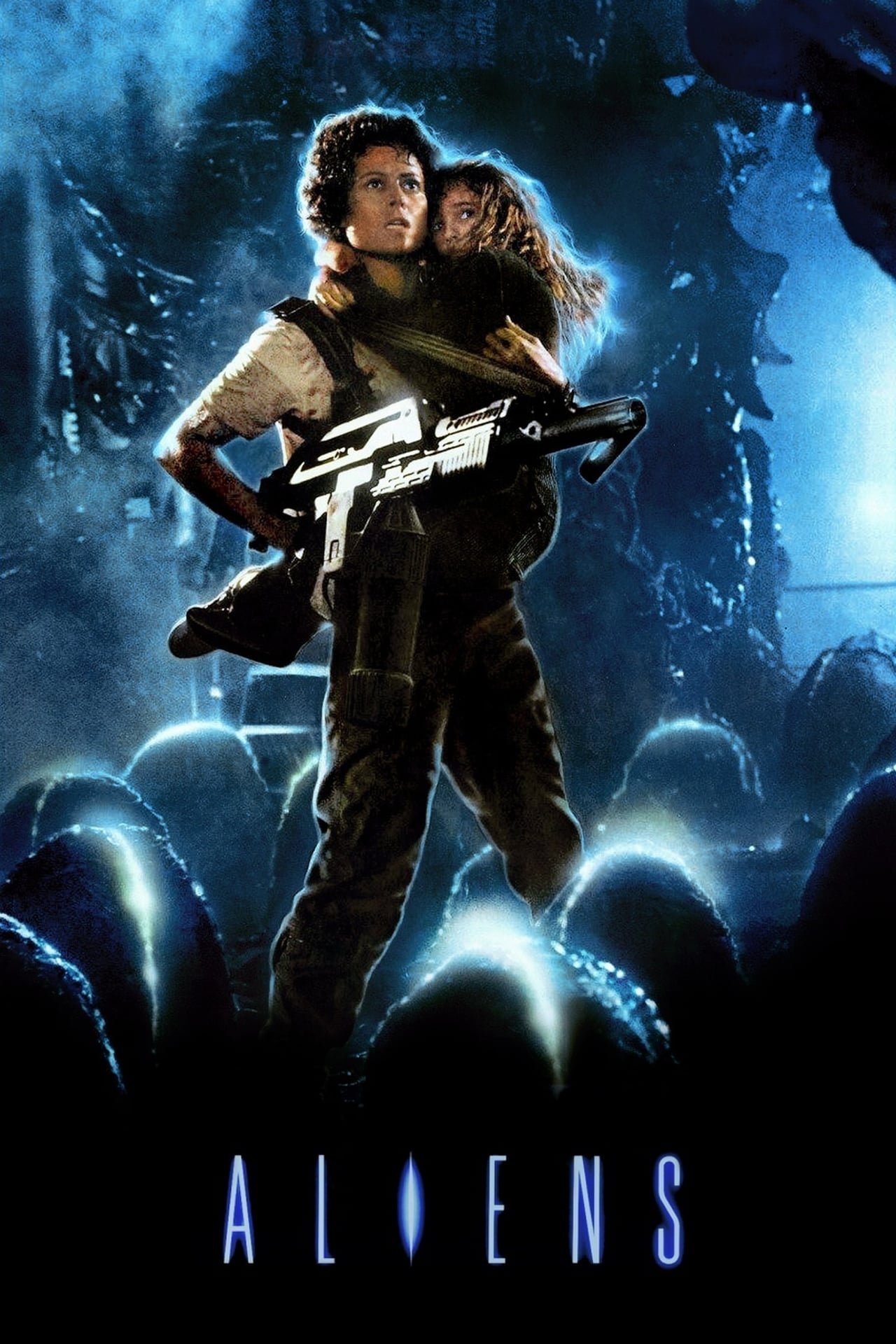
Is This Film Based on a True Story?
I remember the first time I watched “Aliens”—the sense of relentless tension that gripped me felt so vivid and specific, it made me wonder if some of its story just might be rooted in real people or events. But after delving deep into the film’s background, I can state unequivocally: “Aliens” is a work of pure fiction. There are no direct true stories or historical events that this movie is adapting or semifictionalizing. While its suspense and emotional arcs echo real-world fears and military conflicts, the narrative, the creatures, and the space journey all emerge from the creative imaginations of its writers and director. For me, understanding this fact sets a boundary—any resonance I feel with the film is a result of metaphorical connections, not factual ones.
The Real Events or Historical Inspirations
As I researched the origins of “Aliens,” what struck me was how much of its DNA comes from the broader tradition of science fiction literature and cinema, rather than any one autobiographical or historical event. There are no diaries or Historical records or newscasts that shaped Ripley’s struggle or the colonial marines’ campaign. However, I did find that, like many writers of speculative fiction, James Cameron built upon an established foundation—the screenplay for “Alien” (1979) by Dan O’Bannon and the atmospheric paranoia inspired by earlier sci-fi works. Science fiction since the early 20th century has often explored the question of humanity’s place in an indifferent universe, and I see “Aliens” as a contemporary reflection of that tradition.
That said, specific narrative beats and imagery seem to draw at least some subconscious inspiration from real-world themes. When I look at the militaristic aspects: the dropship deployment, the banter between the marines, the sense of a mission gone sideways, it calls to mind the Vietnam War films that dominated the late ‘70s and ‘80s, even if not directly referencing a particular conflict. I also find echoes of cold war anxieties—not an explicit allusion, but a general cultural atmosphere of mistrust at high-level corporate and governmental powers. For me, these elements are best described as reflections of cultural archetypes more than renditions of identifiable events.
If there’s a “source material,” it’s the haunted-house-in-space premise established in “Alien,” and perhaps the general fear of the unknown that science fiction has mined for decades. I’ve often heard discussions linking the xenomorphs’ reproductive cycle to unsettling aspects of real nature—parasitic wasps being a frequent comparison—but these are analogies and creative starting points, not documentary sources. In essence, when I trace the creative lineage of “Aliens,” I find a chain of influences from fiction, not fact.
What Was Changed or Dramatized
Because I’ve established that “Aliens” is not dramatizing real events, the idea of “changes” from reality becomes more about how the film alters recognizable tropes or human anxieties for dramatic purpose. I’ve noticed Cameron’s choice to dial up the action compared to the slower-burn horror of the original “Alien.” In doing so, he repurposes the psychological horror element—the isolation and danger of deep space—into a battleground scenario. For me, Ripley’s arc becomes more than just survival; she is transformed into a symbol of resilience and maternal protection—qualities that feel real, even if couched in science-fiction trappings.
The marines, on the other hand, come across not as historically-accurate representations of military operation, but as a cinematic riff on the bravado, camaraderie, and missteps of soldiers under stress. Their technology, from pulse rifles to power loaders, are of course entirely invented, as are the sociopolitical structures governing the Weyland-Yutani Corporation and its priorities. I find the depiction of ‘corporate interest overriding human safety’ to be a dramatization of public anxieties rather than any documented scandal.
The xenomorphs themselves—iconic as they are—have no real-world biological counterpart. While speculative forums occasionally point to parasitic insects or deep-sea creatures as inspiration, the aliens are, for me, first and foremost a dramatization of our fear of ‘the other,’ taken to its most visceral and terrifying extreme. Cameron heightens these aspects for cinematic effect, focusing on action, character dynamics, and suspense, not factual reporting or reconstruction.
Historical Accuracy Overview
When I weigh “Aliens” against the standards of historical accuracy, it becomes clear that the film occupies the realm of metaphor rather than reportage. I find no evidence of any attempt to conform to real-world military operations, corporate governance, or even plausible interstellar travel. The marines’ jargon, while reminiscent of real military slang, is ultimately an exercise in genre world-building. Their weapons and armor reflect an imagined future, not real prototypes or blueprints. I find the depiction of future colonization of space to be speculative, based only loosely on the dreams and anxieties of its era, but not on any scientific or political fact.
Still, the emotional reality at the film’s core—Ripley’s trauma, her bond with Newt, the tension between duty and survival—feels drawn from human experience. This is where, in my view, a viewer might sense a sliver of “truth” within the fiction. Fear, loss, stubborn hope: these are not historically documented in this context, but they are universally recognizable emotions. To me, the film’s accuracy is psychological, not historical. It reflects how it feels to be overwhelmed, to fight against impossible odds, rather than how such a scenario would ever play out in real life.
I also reflect on how the film mirrors its own era’s fears and imagination. The 1980s were a time of technological optimism and, at the same time, a renewed fear of unstoppable disaster—economic, military, or environmental. “Aliens” channels these feelings into speculative fiction, but I see no attempt to anchor its narrative to specific historical facts, events, or people. For a viewer seeking the intersection between cinema and history, this film sits firmly on the side of allegory and suspense-driven invention.
How Knowing the Facts Affects the Viewing Experience
When I watch “Aliens” armed with a full understanding of its wholly fictional origins, I find my attention turning away from questions of “Did this really happen?” to “Why does this feel so real?” For me, knowing the story is a product of creative imagination frees me to explore its metaphors, without the need to fact-check its premises. I no longer watch Ripley’s struggle as a possible reenactment, but as an emotionally cathartic journey, drawn from—but not tied to—real trauma and perseverance. The fictional setting becomes a canvas for reflecting actual fears, not a reconstruction of someone’s lived experience.
What I value about this approach is that it recalibrates my expectations as a viewer. I’m not searching for hidden truths, or comparing the situations to news stories or real missions. Instead, I let the emotional stakes and suspense drive my engagement. For audiences like me who enjoy picking apart movies for their factual accuracy, “Aliens” offers a kind of freedom: there is no underlying event to research or historicity to evaluate. The movie’s impact is measured in feelings—shock, triumph, empathy—rather than in dates, documents, or eyewitness accounts.
That said, understanding its roots in genre fiction and awareness of its thematic influences can still enrich the way I watch. I begin to see the parallels the film draws to mythic journeys, to soldier narratives, to cultural anxieties about technology and authority. These are not “facts” in the archival sense, but they feel “true” in the sense of shared emotional experience. “Aliens” becomes, for me, a mirror to collective fears, not a retelling of recorded history.
After learning about the film’s origins, you may want to see how audiences and critics responded.