
Is This Film Based on a True Story?
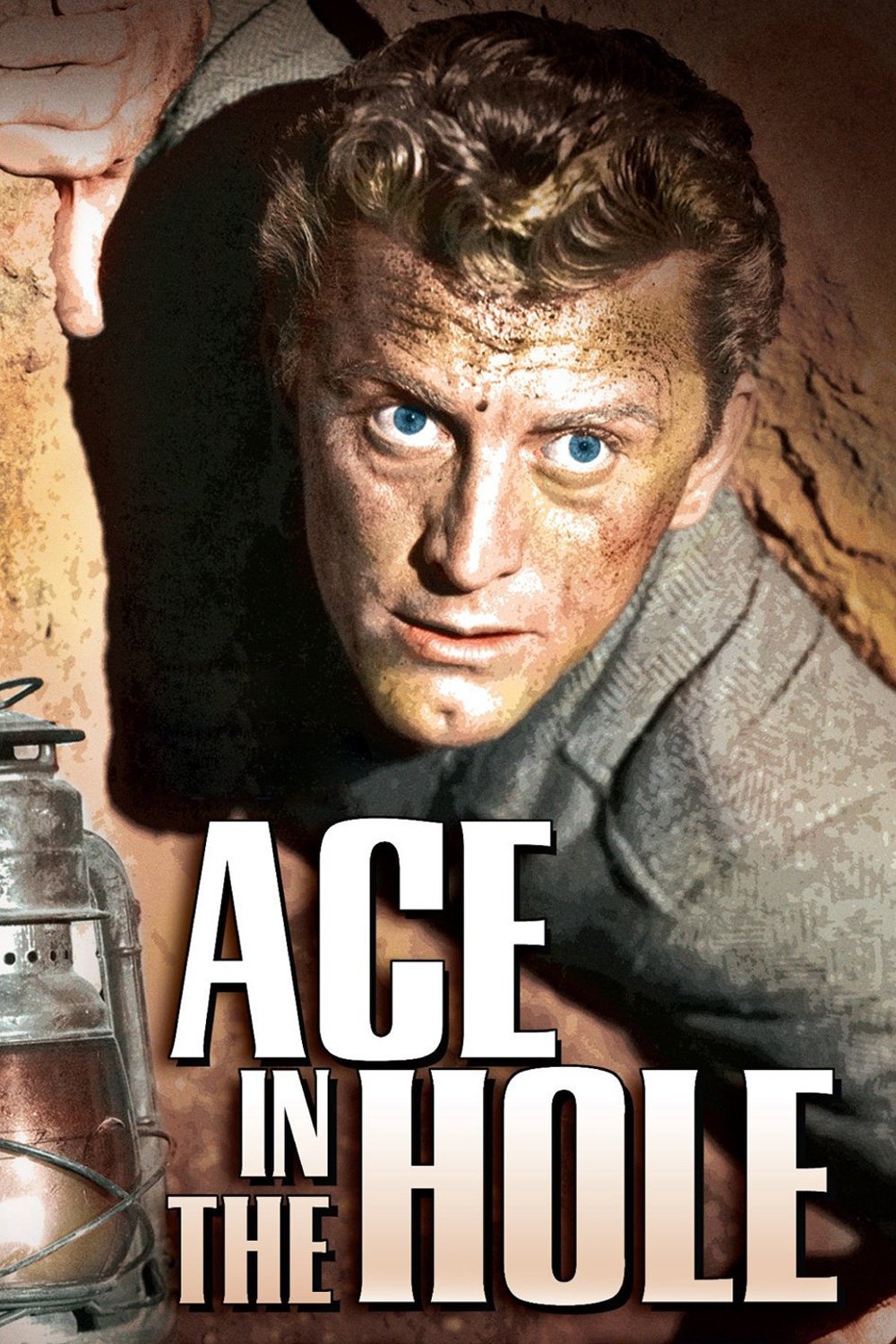
“Ace in the Hole,” released in 1951 and directed by Billy Wilder, is not a direct adaptation of a single documented real-life event. However, the film is inspired by and draws significant elements from actual events, particularly a widely reported American news story from the late 1920s. The narrative is therefore considered “inspired by real events” rather than a wholly fictional invention or a strict historical account.
The Real Events or Historical Inspirations
The core premise of “Ace in the Hole” is derived most notably from the 1925 incident involving Floyd Collins, a Kentucky cave explorer who became trapped in Sand Cave, near Cave City, Kentucky. Floyd Collins’ predicament captured enormous media attention and resulted in a 17-day rescue operation, during which reporters and the public amassed at the site. The prolonged rescue attempt and subsequent media spectacle are widely recognized as one of the first major examples of a media circus in modern American history.
The case drew reporters from across the nation, most prominently William Burke “Skeets” Miller of the Louisville Courier-Journal, who played a pivotal role both as a journalist and as someone physically involved in attempts to reach Collins. Coverage of the event was marked by intense competition, sensational headlines, and continuous updates, fueling public fascination and attendance at the rescue scene. Aspects of these dynamics — particularly the mass media presence and the commodification of personal tragedy — serve as the clear inspiration for the narrative and setting found within “Ace in the Hole.”
In addition to the Floyd Collins tragedy, “Ace in the Hole” reflects a broader exploration of trends in American journalism of the early 20th century, especially in relation to the ethics of sensationalist reporting and the commercialization of news stories. While the film creates a fictional scenario and protagonist, its thematic foundation is anchored in real developments of American press history.
What Was Changed or Dramatized
While “Ace in the Hole” is rooted in actual events, the film alters multiple details for dramatic purposes. The central figure in the film, Chuck Tatum, is a fictional character portrayed as a morally ambiguous newspaper reporter who actively manipulates the rescue timeline for personal career gain. This dramatic character arc does not have a direct counterpart in the Floyd Collins case, where coverage by journalists like Skeets Miller did not involve deliberate efforts to hinder rescue progress.
The specifics of the trapped victim — named Leo Minosa in the film — his background, and the setting, are all fictional constructs. Unlike Floyd Collins, who was an experienced cave explorer trapped by falling rock, Leo Minosa is a local man trapped in an abandoned mine. The setting in New Mexico, as depicted in the film, is also a departure from the original Kentucky cave setting of the real-life incident.
The role of the local and national press, as dramatized in the film, is exaggerated and stylized to emphasize themes of exploitation, crowd spectacle, and opportunism. In “Ace in the Hole,” the transformation of the rescue site into a literal carnival is an embellishment, amplifying real tendencies seen at the Collins site, where vendors and souvenir sellers did arrive but not to the scale or explicit commentary presented in the film.
Elements concerning the complicity of local authorities and the broader public’s obsession with the story are presented in heightened forms to serve the narrative structure and thematic aims of the screenplay. The outcome for the trapped victim in “Ace in the Hole” also diverges from historical precedent, designed to serve the dramatic resolution of the film’s plot.
Historical Accuracy Overview
Key thematic elements of “Ace in the Hole” — notably the nationwide fascination with an individual imperiled underground, the intense presence of journalists, and the commercialization of a personal tragedy — align closely with the facts of the Floyd Collins episode. Crowd scenes, ballooning media attention, and the presence of vendors all have documented counterparts in historical records of the 1925 event.
The accurate depiction extends to the logistical challenges of rescue operations and the dangers of cave or mine entrapment. The film realistically portrays mechanical difficulties, fragile rock, and the claustrophobic conditions that plagued actual rescue efforts during the Collins ordeal.
However, many narrative details are dramatized or invented for effect. There is no historical indication that journalists at the Floyd Collins rescue site intentionally delayed or sabotaged efforts for the sake of prolonging a news story. The main protagonist in the film, Chuck Tatum, is a wholly fictional creation designed to personify ambitious and ethically flexible journalism, rather than representing any real individual involved with the Collins event.
The carnival-like exploitation, while based on a real influx of vendors, is depicted in the film with greater scale and satirical edge for impact. Certain interactions among police, local businessmen, and Tatum are also heightened for dramatic narrative, with less direct documentary evidence of comparable conspiracies or collusion at the real-life rescue.
Overall, while “Ace in the Hole” echoes and amplifies the public and media reaction observed in the Floyd Collins incident, many aspects of the story are fictionalized, rearranged, or reframed for storytelling purposes. The setting, some of the characters, and certain key narrative decisions diverge from the actual events, making the film an interpretation rather than a strict chronicle of history.
How Knowing the Facts Affects the Viewing Experience
Awareness of the real-life inspirations behind “Ace in the Hole” can deepen understanding of the film’s thematic concerns and lend additional significance to its portrayal of media dynamics. Viewers familiar with the Floyd Collins event may recognize echoes of authentic press behavior and public spectacle, allowing for a richer appreciation of the film’s commentary on journalism and its ethical challenges.
Understanding that the story is not a literal retelling but instead an inspired dramatization helps orient expectations toward allegory rather than documentary representation. This contextual knowledge may shift interpretation from a focus on individual moral culpability to broader reflections on the systemic incentives and cultural forces present in media coverage of personal tragedies. The film’s exaggerations can thus be viewed as purposeful emphasis of trends observed in real events rather than as documentary inaccuracies.
Conversely, viewers approaching the film without knowledge of its real-life inspirations may experience it as a stark but fictional expose of 20th-century journalism, potentially missing connections to the historical development of American press culture. Realizing the narrative foundation in events such as the Floyd Collins case can inform discussions on both the ethics of news reporting and the impact of media attention on private crises.
Ultimately, familiarity with the actual events enriches the viewing experience by highlighting the film’s use of historical parallels to illuminate ongoing issues in American media and public response. This allows the audience to engage with “Ace in the Hole” not just as a dramatic story, but as a reflection of real societal phenomena that helped to shape public perceptions of news, spectacle, and human interest reporting throughout the 20th century.
After learning about the film’s origins, you may want to see how audiences and critics responded.