
Is This Film Based on a True Story?
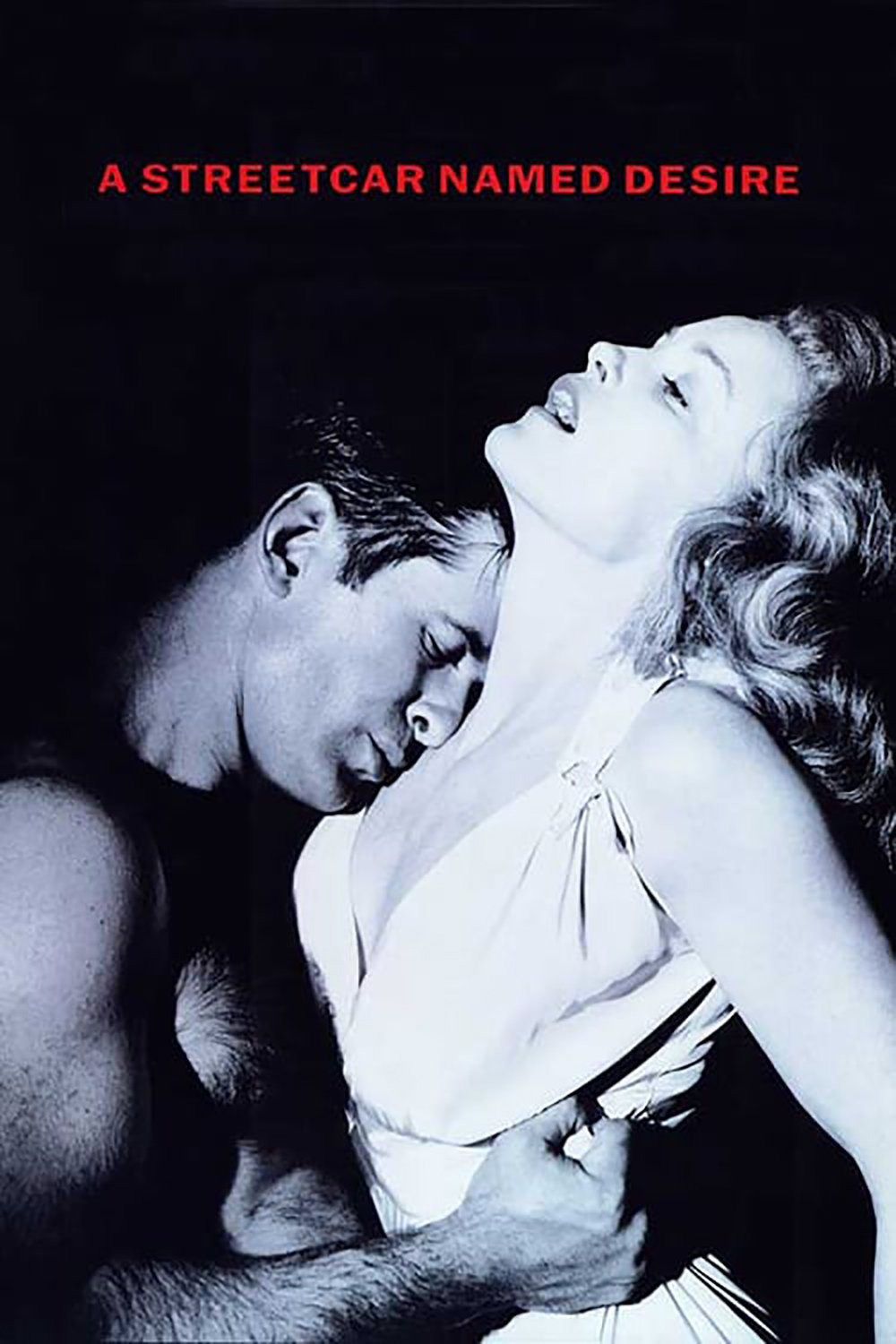
The 1951 film A Streetcar Named Desire is not based on a true story. It is a work of fiction adapted from the 1947 stage play of the same name by American playwright Tennessee Williams. The film does not depict real events, nor is it inspired by any specific historical incident or real-life individual. Instead, it is a cinematic retelling of Williams’s celebrated drama, which explores themes of desire, mental health, class, and cultural change in the American South through wholly fictional characters and circumstances.
The Real Events or Historical Inspirations
While A Streetcar Named Desire is not based on documented real-world occurrences, its setting, character dynamics, and thematic concerns are deeply rooted in the broader socio-cultural context of mid-20th century America, particularly the South. Tennessee Williams, the play’s author, drew heavily upon his personal experiences, family history, and observations of Southern society when crafting the narrative. Key influences include:
- New Orleans as a Setting: The film is set in the French Quarter of New Orleans, a real and culturally rich location well-known for its distinctive ambiance, diversity, and history. However, while the location is real, the story’s events and the Kowalski apartment are fictitious.
- Family and Mental Health: Williams’s own family struggles informed the development of Blanche DuBois. Williams’s sister, Rose, suffered mental health issues and was institutionalized, experiences that shaped the play’s exploration of psychological breakdown, trauma, and vulnerability.
- Class and Cultural Change: The film’s conflict between Blanche (representing declining Southern aristocracy) and Stanley Kowalski (embodying working-class, postwar America) reflects broader societal shifts occurring during Williams’s lifetime but is not based on a particular real-life story.
Overall, the film adapts characters and situations invented for dramatic purposes, influenced generally by real social contexts but not by a specific documented event or person.
What Was Changed or Dramatized
The movie adaptation preserves the overall plot and primary character relationships from Tennessee Williams’s original play. However, certain elements were modified due to the period’s film industry standards and creative decisions:
- Content Adjustments Due to Censorship: The Motion Picture Production Code in effect at the time required changes to aspects of the story involving sexual themes, innuendo, and violence. Several references in the stage play—such as Blanche’s late husband’s sexuality and the explicit depiction of sexual assault—were made more ambiguous or toned down for the screenplay.
- Altered Ending: The film concludes with a more punitive outcome for Stanley, as opposed to the play, which emphasized Blanche’s psychological unraveling and did not directly punish Stanley for his actions. This adjustment reflected studio and censorship influences seeking to align with prevailing moral standards.
- Visual and Cinematic Techniques: The film leverages close-up shots, lighting, and music to convey character psychology and tension, techniques that differ from the stage production’s reliance on dialogue and stage direction. While this does not impact “factual” elements—since the story is fictional—it constitutes a dramatization specific to the film medium.
These adaptations do not introduce historical inaccuracies, given the fictional base, but highlight the impact of external factors on the storytelling.
Historical Accuracy Overview
Given that A Streetcar Named Desire is a work of fiction, the concept of “historical accuracy” pertains primarily to its portrayal of time, place, and social dynamics rather than factual fidelity to real events. The film is praised for its realistic depiction of working-class life in postwar New Orleans. The atmosphere, dialect, and class tensions are generally consistent with historical accounts of the mid-20th century American South. The film’s treatment of topics like mental health, sexual relationships, and gender roles reflects prevailing attitudes and taboos of the period in which it was written and presented.
However, because the primary characters and narrative developments are invented, there are no direct historical counterparts against which to measure accuracy. The adjustments made for film adaptation—particularly censorship of explicit material—reflect not inaccuracy but rather the norms of the early 1950s Hollywood industry. Some thematic elements, such as the consequences of trauma and the clash of social values, have roots in common historical experiences but are dramatized through fictional means.
In summary, the film is widely considered authentic in its evocation of setting and social change, but it is not historically “accurate” in the sense of depicting real people or events.
How Knowing the Facts Affects the Viewing Experience
Understanding that A Streetcar Named Desire is not based on true events can shape audience expectations and interpretations in several ways. Knowing that the story and characters are fictional allows viewers to focus on the film’s thematic exploration and symbolic content, rather than viewing it as a dramatization of real-life occurrences. The emotional impact and dramatic tension are the result of literary invention rather than documentary realism.
Familiarity with the play’s origins and Tennessee Williams’s inspirations can also add depth to the viewing experience. For example, knowledge of the playwright’s background—including family experiences with mental illness—can offer viewers a richer understanding of Blanche DuBois’s psychological complexity. Recognizing that the film provides a stylized rendering of a specific time and place, rather than a literal documentary account, supports a nuanced appreciation for its artistry and cultural context.
Finally, being aware of the Production Code’s influence on the film helps explain certain ambiguities or omissions compared to modern adaptations. This awareness can prompt viewers to reflect on the historical evolution of film content and the interplay between cultural norms and artistic expression.
After learning about the film’s origins, you may want to see how audiences and critics responded.