
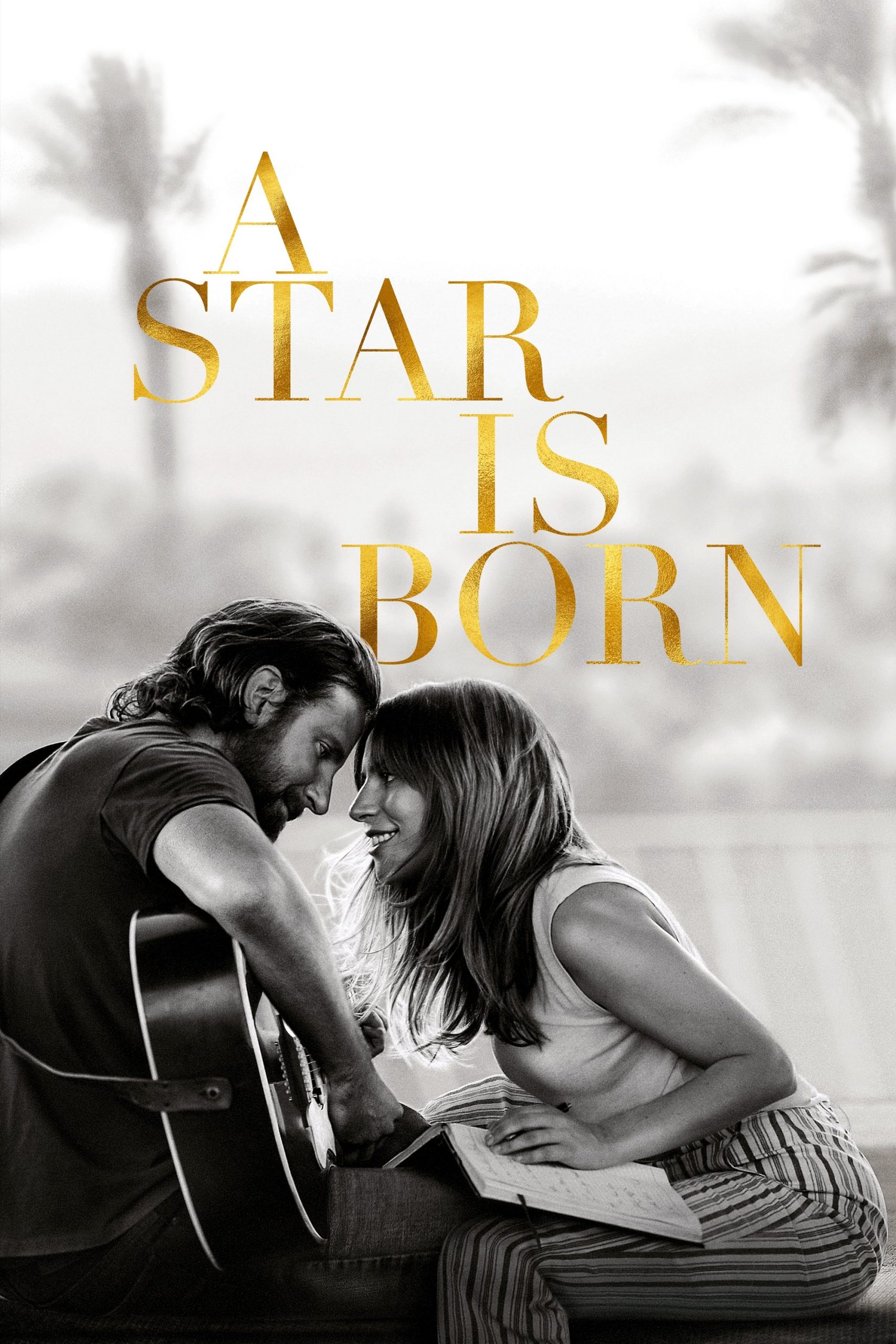
The Question of Truth Behind the Film
When encountering a film like A Star Is Born (2018), audiences frequently wonder whether the story they are witnessing is grounded in reality or is entirely a work of fiction. This curiosity is not incidental; it speaks to a broader cultural tendency to seek authenticity and to connect emotionally with narratives that claim or imply real-life inspiration. The label “based on a true story” carries with it a set of expectations—viewers may anticipate learning something meaningful about history, society, or a particular individual. Alternatively, the absence of this label leads audiences to engage with the film as pure invention, appreciating it for thematic resonance rather than as a factual account. In practice, this desire for “truth” shapes the lens through which the film is both received and discussed, bringing assumptions about realism, credibility, and emotional investment to the forefront. When viewers ask whether A Star Is Born is “real,” they are in part seeking validation of the emotions and situations depicted onscreen, hoping to tether cinematic spectacle to tangible experience.
Historical Facts and Cinematic Interpretation
Unlike biographical dramas that draw directly from documented lives or major historical events, A Star Is Born (2018) is not literally adapted from a single set of real-world facts. Instead, it represents the fourth iteration of a story first depicted in the 1937 film of the same name, later revived in 1954 and 1976 with adjustments for each era. Its narrative—a seasoned musician discovers and mentors a talented newcomer whose rise to fame coincides with his own decline—is a dramatic framework rather than a chronicle of identifiable figures. Certain elements may echo real experiences within the entertainment industry, drawing broadly from the lives of performers whose challenges with fame, addiction, and relationships have populated music and film history. However, these general inspirations are neither direct representations nor depictions of singular celebrity stories. The screenplay, while informed by industry archetypes and collective experiences, restructures and condenses such material into a format that fits the conventional arc of tragic romance, loss, and transformation. Moments in the film may feel authentic or authentic-seeming, but the specific events, characters, and relationships are inventions, designed to reference rather than reproduce reality.
What Changes When Reality Is Shaped for Cinema
The adaptation of broader truths into scripted drama brings with it noticeable modifications, necessary for effective cinematic storytelling. For instance, timeframes that in reality would unfold over many years are dramatically compressed, creating an illusion of rapid transformation and heightened immediacy. Complex character journeys are orchestrated to fit narrative structures—introducing, complicating, and resolving conflicts within the space of two hours. In A Star Is Born (2018), this manifests in the way Ally’s ascent to stardom appears synchronous with Jackson Maine’s decline, condensing intricate career paths and psychological struggles into intersecting plotlines. Dialogue, too, is meticulously curated, crafted to be resonant and memorable rather than a verbatim record of real conversations. Settings and events are carefully selected for visual impact and narrative significance, sometimes merging several real-world occurrences into a single, emblematic moment. Even songs and performances are constructed to serve storytelling goals: lyrics and stage setups reflect character evolution rather than actual musical history. In this way, practical necessities—pace, coherence, and emotional clarity—often take precedence over faithful recreation, with filmmakers shaping reality into a form that aligns with cinematic convention, appealing to both logic and feeling.
Audience Expectations and the “True Story” Label
Viewers’ engagement with a film such as A Star Is Born varies substantially based on their perceptions of its factual origins. When a movie is explicitly presented as a depiction of real events or real people, audiences are inclined to approach it with a documentary mindset—scrutinizing it for accuracy, interpreting its events through the prism of known history, and often seeking to understand broader social themes through the individual lives represented. In contrast, when the narrative is known to be fictional or merely inspired by industry realities, audiences may become more attuned to symbolic or archetypal meanings, treating characters as composites within a cultural narrative rather than as individuals with a fixed factual counterpart. The absence of a “true story” claim in A Star Is Born signals to viewers that they are invited into a mythic structure—a melodrama that draws from the collective consciousness rather than authoritative records. This awareness potentially softens expectations for verisimilitude and exactitude in chronology, character, or outcome, while simultaneously opening up space for personal or emotional identification. In the case of the 2018 film, many viewers pick up on parallels to real-life musicians or industry patterns, yet experience the film chiefly as a meditation on stardom, mentorship, and vulnerability, rather than as a biography of a single person.
Final Perspective on Fact vs Fiction
Awareness of the boundary between fact and fiction in a film like A Star Is Born (2018) offers a distinctive vantage on the viewing experience. Knowing that the story is not anchored to a particular set of real events—but instead draws inspiration from recurring themes within entertainment history—invites interpretation along lines of metaphor, symbol, and emotional truth rather than literal analysis. This understanding does not necessarily heighten or diminish the impact of the film; rather, it helps audiences locate the source of resonance—recognizing, for example, that the emotional responses elicited are not dependent upon factual accuracy but upon universal experiences of love, loss, ambition, and self-destruction. The film’s lineage, stretching across decades of retelling, exemplifies how certain narrative patterns are continually reimagined to speak to contemporary realities, even as the specifics are inventions crafted for dramatic effect. Thus, knowledge of what is “real” and what is “fictional” provides context for interpretation: it helps situate the film within a tradition of storytelling that balances invention and believability, offering emotional authenticity without the constraints of biography. Audiences then become free to derive meaning from the film as an artistic construction, appreciating how experience is rendered through the lens of imagination—at once shaped by, and independent from, the strictures of factual reportage.
For a viewing decision informed by modern standards, consider this perspective.