
Is This Film Based on a True Story?
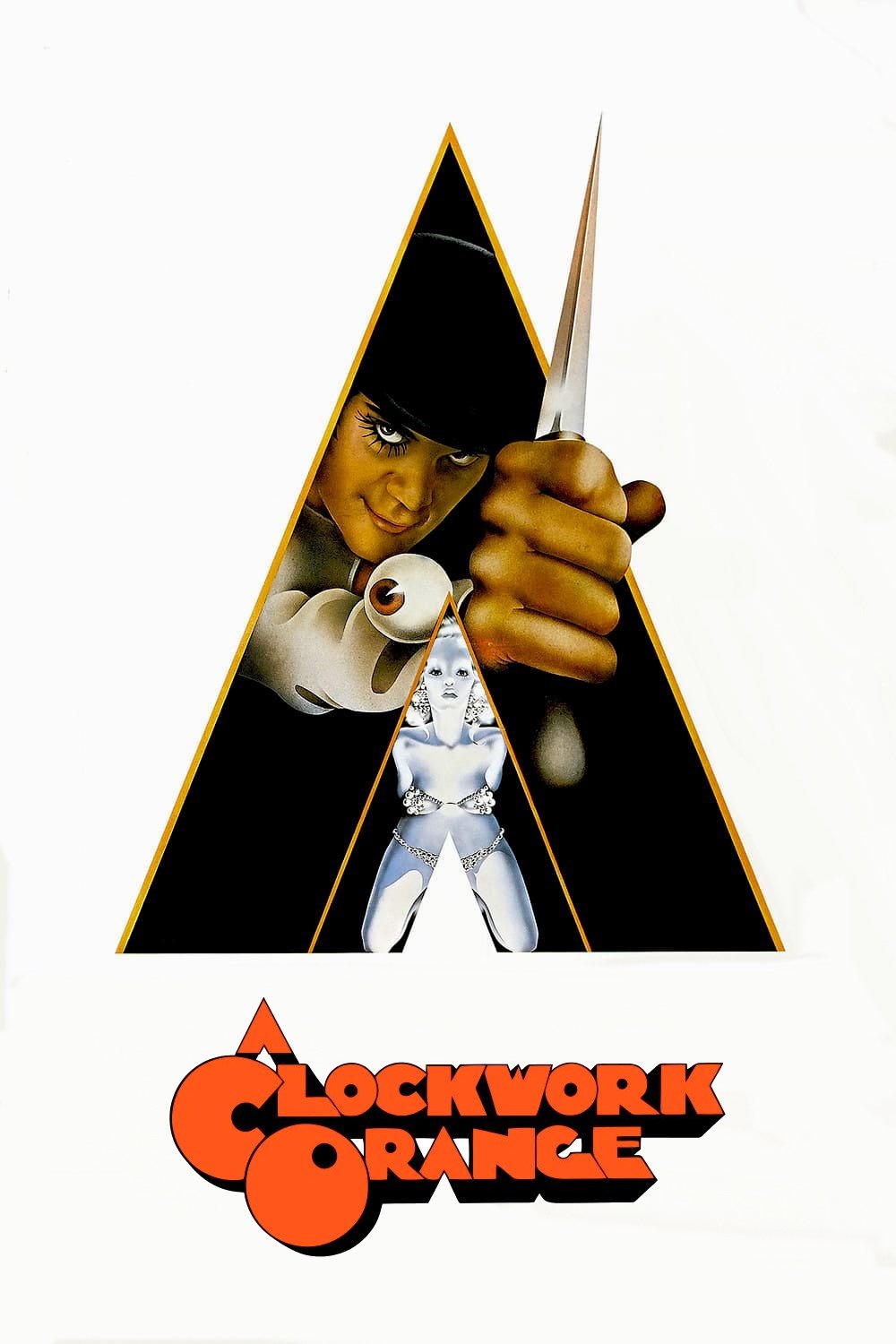
“A Clockwork Orange,” released in 1971 and directed by Stanley Kubrick, is not based on a true story. The film is a work of fiction, adapted from the 1962 novel of the same name by British author Anthony Burgess. Neither the film nor its source material recounts actual historical events or the life of real individuals. Both are imaginative works set in a speculative, dystopian future and do not purport to recreate any real-world situations or people.
The Real Events or Historical Inspirations
While “A Clockwork Orange” is a fictional narrative, it does draw on certain psychological concepts, social anxieties, and cultural trends present during the period in which it was written and filmed. The novel, published in 1962, emerged during a time of cultural upheaval and rising concerns about youth delinquency in post-war Britain. At the time, there were frequent reports in UK media about youth gangs, urban crime, and debates regarding the effectiveness of punishment versus rehabilitation. Documentary sources including news articles and public records from the 1950s and early 1960s show heightened societal anxiety about juvenile crime, but the events and characters depicted in the film are not based on direct documentation or individual cases.
Anthony Burgess, the novel’s author, stated at various times that the story was inspired, in part, by his observations of youth culture and by philosophical debates about free will, psychology, and state control. However, he denied that the plot or characters were based on specific people or occurrences. The psychological conditioning depicted in the film—known as the Ludovico Technique—is loosely informed by real-world behavioral psychology experiments, such as those conducted by B.F. Skinner and other behaviorists, but these were not applied to actual criminal rehabilitation in the manner shown in the film. No credible records exist showing a government program resembling the exact procedures or settings in “A Clockwork Orange.”
Thus, while the film captures the zeitgeist of its era and references real-world theories and anxieties, it remains fundamentally a work of speculative fiction rather than an adaptation of documented history.
What Was Changed or Dramatized
The most significant element adapted for film was the source material itself. Stanley Kubrick’s screen version adheres closely to Burgess’s original story, but with some notable changes and dramatizations for pacing, tone, and audience impact. The film compresses and alters events for narrative cohesion and visual storytelling, rather than to align them with real history.
One substantial change in the adaptation relates to the ending of the story. The American editions of Burgess’s novel (upon which the film was based) omitted the final, redemptive chapter present in the original British edition. In that omitted section, Alex, the protagonist, begins to mature and considers changing his ways, introducing a more hopeful conclusion. Kubrick chose to follow the American text, resulting in a bleaker, more ambiguous ending. This editorial decision reflects artistic preference rather than historical accuracy or adjustment for real events.
The depiction of the Ludovico Technique is further dramatized. While behavioral psychology provided inspiration for this fictional therapy, no treatments reminiscent of the film’s aversion therapy—where criminals undergo forced conditioning to eliminate violent tendencies—existed in reality at the time, nor has any such therapy become part of recognized psychological or correctional practice.
Additionally, elements of language and setting in the film, such as the “Nadsat” slang spoken by the characters and the stylized, hyper-modernist landscapes, were created for dramatic effect and world-building, not drawn from real subcultures or specific geographical locations. The overall society depicted in the film is a stylized projection, not a representation of any actual historical society.
Historical Accuracy Overview
Since “A Clockwork Orange” is not a true story, the question of strict historical accuracy does not directly apply to its plot, characters, or events. The film does, however, authentically capture the sense of societal unease and philosophical debate occurring around the early 1960s, particularly in England. It mirrors the anxieties about youth rebellion, rapid social change, moral decline, and the potential misuses of psychology by authorities.
The youthful gangs, violence, and societal breakdown portrayed mirror the general tone of some media accounts and public concerns of that era, but are presented in an exaggerated, speculative fashion. There is no documentation of specific crimes, criminal gangs, or state rehabilitation programs directly corresponding to the story’s elements. The Ludovico Technique, while suggestive of real psychological conditioning, is a fictional device and not a reflection of actually employed corrective or punishment methodologies.
Other aspects, such as fashion, speech, urban design, and cultural references, were intentionally altered or invented by Kubrick and Burgess to give the story a timeless, otherworldly quality. These were not intended to faithfully reproduce contemporary 1960s or 1970s settings and instead serve the speculative, dystopian atmosphere of the narrative.
On the whole, “A Clockwork Orange” is considered accurate in its reflection of abstract societal fears and debates of its time, rather than in any empirical or documentable way. Its themes are inspired by real discussions and theories, but the content remains fully within the realm of fiction.
How Knowing the Facts Affects the Viewing Experience
Recognizing that “A Clockwork Orange” is not based on true events can frame the film as a social and philosophical exploration rather than a dramatization of real history. Audiences who understand its fictional nature may focus more on the intended themes, such as the debate between free will and societal control, without searching for direct real-world parallels.
For viewers interested in social history, context regarding the public anxieties and discussions about youth behavior and state authority in the 1960s can enrich the experience. Rather than expecting faithful representation of actual people, places, or crimes, audiences can analyze the film’s portrayal of psychological theories and ethical questions as extensions of contemporary debates, not historical recreations. The speculative elements, such as futuristic slang and architecture, become intentional narrative devices rather than artifacts rooted in a real past.
Ultimately, knowledge of the film’s origins as an adaptation of a literary work, set against the cultural and theoretical concerns of its time, allows viewers to appreciate its message and artistry on their own imaginative terms, rather than as a commentary on or depiction of actual events. This understanding can enhance interpretation, prompting viewers to reflect on the philosophical issues raised without becoming preoccupied with questions of factual authenticity.