
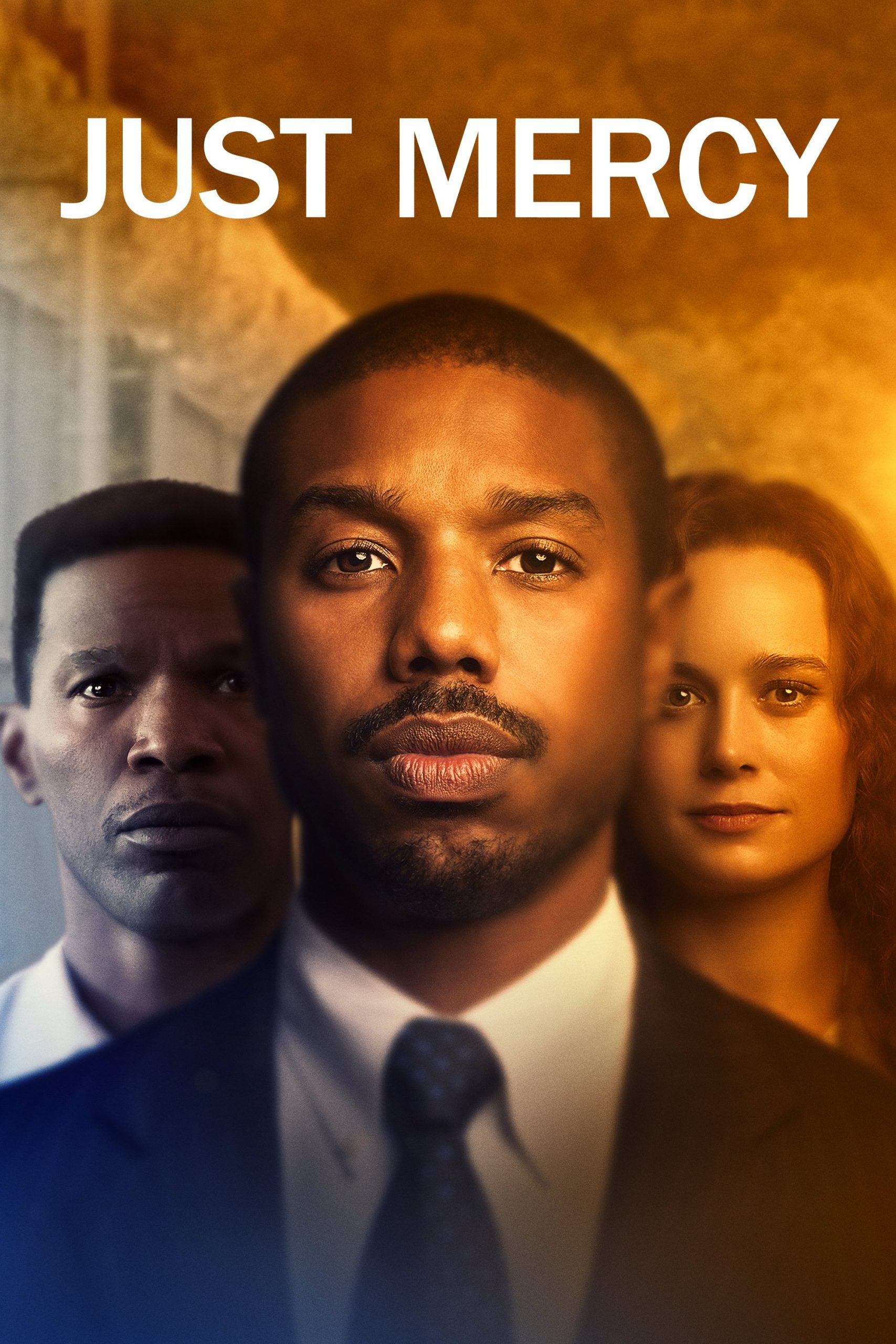
Is This Film Based on a True Story?
I can never shake the intensity I felt while watching “Just Mercy,” largely because I knew from the outset that I was witnessing a dramatization rooted in actual events. The film is, without hesitation, based on a true story. It adapts the real-life experiences of civil rights defense attorney Bryan Stevenson, drawing directly from his 2014 memoir, “Just Mercy: A Story of Justice and Redemption.” For me, knowing that the film didn’t spring from an imaginative screenplay but instead closely follows factual accounts gave every scene an added layer of weight. “Just Mercy” firmly plants itself in the terrain of true stories, relying on concrete cases and lived experience rather than fiction or loosely inspired narratives.
The Real Events or Historical Inspirations
When I dove into the origins of “Just Mercy,” I was confronted by the reality that the events depicted aren’t just stories but reflect the lived struggles of real people in a contemporary legal system. The central figure, Bryan Stevenson, is not only a character but also a practicing lawyer and advocate whose work spans decades. His involvement with the Equal Justice Initiative (EJI) in Alabama—an organization he founded—forms the backbone of the film’s narrative. The events that shaped the plot largely center on Stevenson’s defense of Walter McMillian, a Black man wrongfully convicted of murdering a white woman in Monroeville, Alabama, in the late 1980s.
For me, reading more about the source material reinforced the authenticity of the storyline. Stevenson’s memoir meticulously details his early career and landmark cases. The film isn’t just inspired by the broad strokes of his life; it pulls directly from documented legal cases, court transcripts, and personal correspondence. I also found that many of the supporting characters—Eva Ansley, Herbert Richardson, Johnny D. (Walter McMillian)—correspond to real individuals. The storylines depicted, such as the botched investigation, legal appeals, and Stevenson’s visits to death row, are based on records and testimonies unearthed from local news coverage and scholarly research on criminal justice in the Deep South. The movie’s depiction of Stevenson’s battles with entrenched racism, prosecutorial misconduct, and the personal toll of advocacy doesn’t stray far from what’s documented in public records and Stevenson’s own writing.
From my research, I discovered that the execution of Herbert Richardson was, heartbreakingly, an actual event, as were the circumstances surrounding McMillian’s conviction and ultimate exoneration. Much of what viewers see—phone calls, courtroom exchanges, and emotional appeals—are adaptations of moments documented in Stevenson’s memoir or the trial record. What struck me most was how the film uses original documentation and often direct quotations from real-life participants, securing its foundation in reality. Knowing the extent to which the cinematic version mirrors the documented struggles of its characters only sharpened my personal connection to the narrative.
What Was Changed or Dramatized
As with most films based on true events, “Just Mercy” doesn’t present the past as a pure documentary—it’s filtered through storytelling, compressing timelines and occasionally merging minor characters for narrative cohesion. I realized quickly that this streamlining was not an attempt to distort reality but to make Stevenson’s complex, multi-year battle more accessible to a theater audience. For instance, although Walter McMillian’s legal ordeal stretched over several years, the film presents the action within a more concentrated timeframe. This condensation allows the story to build tension and maintain emotional momentum, though it necessarily omits the day-to-day grind and bureaucratic hurdles Stevenson and his team endured.
When it comes to the supporting characters, I observed some evidence of composite roles. Certain legal professionals and community members may represent a blend of several real-life figures who worked behind the scenes or provided emotional support. Scenes depicting violence or intimidation, such as Stevenson’s traffic stop by police or moments of overt hostility from local law enforcement, were shaped for dramatic effect. They are based on real threats and challenges Stevenson endured, but are reimagined to evoke key emotional truths within a limited runtime.
One of the clearest shifts I noticed was the film’s method of presenting legal procedures. Actual court proceedings can be slow, meticulous, and, for many viewers, bewildering. The screenwriters recalibrated these scenes—selecting especially high-stakes exchanges—to maintain narrative clarity while highlighting the most egregious breaches of justice. Legal jargon is minimized, replaced instead by powerful dialogue meant to humanize the experiences of those on trial or fighting to overturn an unfair conviction. While the spirit of advocacy is intact, specific case files, appeals briefs, and courtroom evidence may be simplified or omitted altogether.
I also traced some adjustments in Herbert Richardson’s backstory, which the film explores with sensitivity but condenses for clarity. Richardson’s case is rooted in fact, but the film unites his despair and hope in several poignant scenes—amplifying the emotional resonance even as it rearranges his story for cinematic pacing. For me, this approach didn’t feel misleading; it was a way for the filmmakers to capture the pain and dignity of death row inmates whose lives intersected with Stevenson’s.
Historical Accuracy Overview
In terms of historical accuracy, my reading and researching of “Just Mercy” revealed that the film stays remarkably close to the documented record. The major events—the conviction, imprisonment, and eventual exoneration of Walter McMillian—are reported in legal archives, investigative journalism, and in Stevenson’s autobiography. I found the portrayals of racism in the justice system, the background of the town of Monroeville, and the personal risks faced by a Black attorney in the South to be substantiated by court documents, interviews, and contemporary media coverage from the era.
There were moments where I noticed the need for dramatization: certain confrontations, the specific pacing of legal breakthroughs, and emotional turning points have clearly been shaped for a cinematic experience rather than a silent, factual observation. For example, while Stevenson did face threats and intimidation, the timing and nature of these encounters are arranged to sustain dramatic intensity. The same can be said for the depiction of certain legal milestones. Where appeals and retrials in real life might unfold over months or years, the film instills urgency by presenting them as more immediately interconnected. This technique, while a storytelling convention, can blur the viewers’ temporal sense of how arduous legal progress truly is.
Despite these adaptations, my research confirms that key outcomes—including McMillian’s release, the exposure of critical legal flaws, and the eventual vindication—occurred as depicted. The accounts of other clients, like Herbert Richardson, are treated with a similar fidelity to historical fact, although they are interwoven with more dramatic, emotionally orchestrated moments on screen. The depictions of prison life, legal maneuvering, and small-town resistance to change are rooted in firsthand narratives and public records. For me, the film’s commitment to accuracy, especially in its portrayal of systemic injustice and the efforts of individuals working for reform, surpasses what I often see in Hollywood adaptations of real-life events.
The creative liberties taken—such as composite characters or edited dialogue—serve a narrative function but do not substantially alter the factual backbone. That struck me as a delicate balancing act: keeping the essentials of the story true, while crafting a film that would move wider audiences to care about complex legal reforms. The end credits and supplemental reading available through the Equal Justice Initiative and academic reports on wrongful convictions further affirm that the cinematic rendition does justice to the gravity of the actual cases it depicts.
How Knowing the Facts Affects the Viewing Experience
I’ve always found that walking into a movie with an appreciation for its factual underpinnings changes not just what I see, but how I process the drama unfolding on screen. With “Just Mercy,” knowing it’s anchored in real events shaped my experience in a profound way. Every injustice that played out, every legal setback, and every small victory pulsed with the knowledge that these weren’t imagined scenarios. I couldn’t treat the depicted suffering as fiction; instead, I was continually reminded of the ongoing relevance of these issues in American society.
This awareness led me to approach each scene with greater emotional investment and a certain unease. When I recognized characters—Stevenson, McMillian, or Richardson—as composites of real people, my empathy was grounded in the understanding that their stories reflect the kind of institutional injustice that still persists. The knowledge that Walter McMillian lost years of his life in a prison cell before he was exonerated became an inescapable lens through which I viewed every exchange with judges or prosecutors. Hearing courtroom dialogue and learning about the resistance Stevenson faced in Alabama felt less like plot devices and more like retransmissions from the uncomfortable reality of American history.
That said, I found myself watching for the seams between truth and narrative convenience. The pacing, dialogue, and sudden reversals reminded me occasionally that I was viewing an adaptation, not a documentary. This didn’t lessen the power of the film so much as prompt me to seek out supplemental context immediately afterward. The movie itself became a bridge to deeper reading—Stevenson’s book, Equal Justice Initiative newsletters, and actual legal case files—which only strengthened my appreciation for what the film managed to encapsulate. It underscored how narrative dramatization, used responsibly, can raise public awareness about real-world problems in a way that few other mediums achieve.
Ultimately, knowing the facts made the film’s outcome—McMillian’s release, Stevenson’s continued advocacy, and the transformation of a community—even more resonant. It also made me reflect on how films like this serve a dual purpose: they present a snapshot of historical injustice, but they also remind viewers that these stories are unfinished, echoing through contemporary legal battles that remain unresolved. This, to me, is the enduring value of “Just Mercy” as a fact-based film: it challenges us not only to empathize, but to question, research, and ultimately act with greater awareness of the world beyond the screen.
After learning about the film’s origins, you may want to see how audiences and critics responded.
🎬 Check out today's best-selling movies on Amazon!
View Deals on Amazon