
Is This Film Based on a True Story?
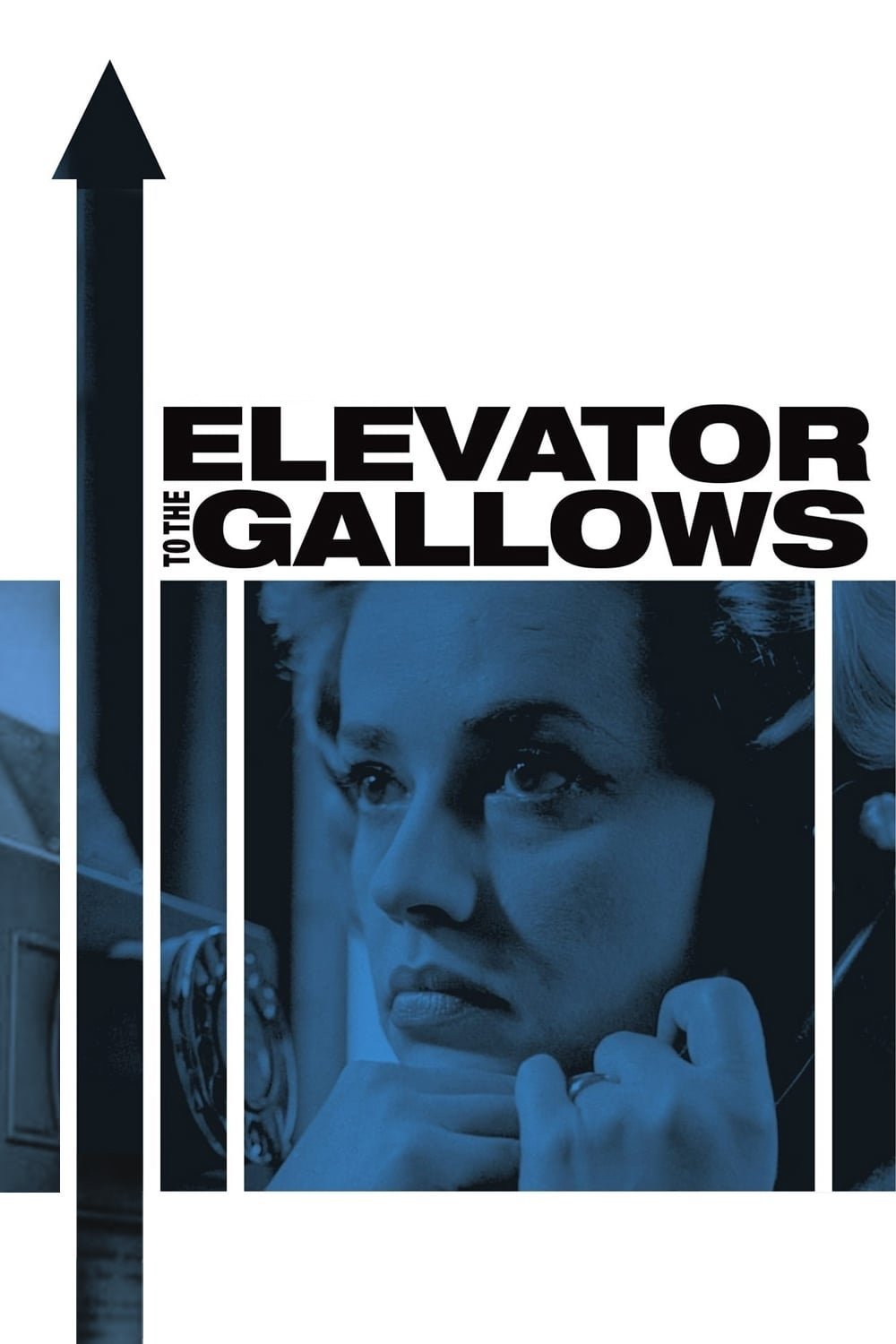
Whenever I revisit “Elevator to the Gallows,” what strikes me most isn’t just the ineffable atmosphere or the iconic jazz score, but the lingering question of its origins. As someone endlessly curious about the intersection between film and reality, I’ve dug into every possible lead trying to find any kernel of lived experience underneath its taut, noir surface. I can say with complete confidence that “Elevator to the Gallows,” released in 1958, is not based on true events. The narrative is wholly a work of fiction, originating from the creative minds of the literary and cinematic worlds rather than direct historical record. The characters, their motivations, and the spiraling events that unfold across the film’s Parisian canvas are constructed and not drawn from documentary fact or the biography of a real figure. In essence, the film exists as a carefully plotted puzzle, engaging in plausibility and emotional realism, but unanchored to any specific real-world crime or scandal.
The Real Events or Historical Inspirations
When I trace the lineage of “Elevator to the Gallows,” I come to understand that, rather than cradling any direct historical event, the film stands on the shoulders of literary fiction. The screenplay, crafted by director Louis Malle and Roger Nimier, was adapted from the 1956 novel “Ascenseur pour l’échafaud” by Noël Calef. My research has not revealed any testimony or evidence from Calef or those adapting the novel that would point to inspiration from a headline-grabbing case or famous murder. While the film and novel channel the anxieties and moods of post-World War II France—reflecting a society negotiating new moral landscapes, evolving attitudes, and the allure of crime fiction—there is no pinned reference to any historical murder or couple à la Bonnie and Clyde. What I detect instead is the deep imprint of the French literary and cinematic tradition—shadowed by existentialism, the rise of noir sensibilities, and an interest in the mechanics of fate and consequence.
That doesn’t mean the film is totally untethered from the reality of its day. I’m always aware of how, in a cultural sense, the 1950s saw a proliferation of public intrigue around “crimes of passion,” and French newspapers were indeed filled with tales of lovers, jealousy, and betrayal. But in terms of strict causality—‘this is the film inspired by this crime’—there’s just no factual chain to be found. Everything is refracted through fiction’s prism. The novelists and filmmakers of the era often abstracted their influences, blending a general cultural mood with their own inventions. In this light, Malle and Calef were more interested in emotional truths, the human reaction to extraordinary circumstances, and the poetic suspense of urban nights than in re-enacting any infamous trial or police file.
Even the technical details of the film—the hotel, the desolate streets, the malfunctioning elevator—feel like constructs born from imagination and thematic intent rather than sober documentation. If anything, I sense that “Elevator to the Gallows” draws on the psychological and existential aesthetics popularized by earlier writers like Simenon, rather than from any explicit legal case. For someone like me, who digs eagerly for source facts, this film is best approached as a pure work of creativity, reflecting the imagination of its creators rather than echoing a lived tragedy.
What Was Changed or Dramatized
Each time I analyze the adaptation process from Calef’s novel to Malle’s cinematic vision, I find myself fascinated by how storytelling inevitably reshapes source material for different mediums. Even with a fictional source, numerous elements are altered or heightened in the transition from page to screen. For example, details like the character backgrounds, their psychological profiles, and especially the pace and tone, are reimagined for visual impact. Jeanne Moreau’s role as Florence Carala, a woman entangled in murder and passion, is deepened—given more emotional weight and visibility than in the relatively understated approach of the novel. The city becomes a character in itself, bathed in shadow and rain, paralleling her internal turmoil. Although these are not ‘changes’ from reality per se, I notice they are dramatizations born from the filmmakers’ desire to amplify cinematic effect and audience connection.
I’m also attentive to how the screenplay condenses and tightens timelines, using parallel editing to heighten suspense—something that is a hallmark of the noir tradition, but is less pronounced in the linear, contemplative pace of Calef’s writing. Malle introduces visual motifs (like the recurring shots of Florence wandering aimlessly, searching for her lover) that underline the film’s themes of isolation and existential dread in a way that resonates far more intensely than mere narrative function. Dialogue is sharpened, still laden with implication but quicker in tempo, reflecting not so much real speech but stylized poetic exchanges. Even the film’s depiction of police procedure, while plausible, is tailored for narrative momentum rather than strict adherence to documentary transcript. To me, these choices seem less about realism, and more about creating a specifically cinematic language of tension, chance, and moral ambiguity.
One very notable dramatization—at least from my immersion in both media—is the famous sequence with Miles Davis’s improvised jazz score. This was not in the original novel, and even among contemporary films, such musical commentary was rare. The haunting score transforms the night into something mythic and emotionally charged, giving the story a layer of mood that would not exist in a straightforward crime procedural. I have always thought this illustrates how the filmmakers prioritized atmosphere and psychological resonance over direct replication of literal events. In short, the film’s drama and suspense are heightened, distilled, and shaped to serve the aesthetics of cinema and the authors’ thematic intentions, rather than to mirror any true-crime chronology.
Historical Accuracy Overview
My approach to gauging ‘accuracy’ in “Elevator to the Gallows” requires a kind of bifocal perspective: weighing how faithfully the film renders the period and culture it depicts—even within a fictional story—against what was common or plausible in 1950s France. I find that, while the plot and characters are invented, the film does achieve a remarkable verisimilitude in its depiction of Parisian life, contemporary technology, and general police practice. For instance, I’m always struck by the on-location shooting, which captures the ambiance of late-50s Paris so evocatively—the cars, street lamps, and hotel corridors all feel authentic, not staged. The method of murder (using a grappling hook to scale a building), while arguably elaborate, is plausible within the context of classic noirs. I’ve yet to come across any period legal record describing an identical method, but the film isn’t portraying science fiction or completely improbable events.
What stands out as less ‘accurate’ in a documentary sense are the psychological and narrative compressions required by any thriller. I notice that characters behave with a deliberateness and fatalism representative of existential fiction, rather than the more chaotic and ambiguous motives seen in real-life cases. The police are efficient, decisive, and procedural, without the bureaucratic complexities or technical limitations sometimes found in actual investigations. The film also portrays a kind of anonymity and alienation—urban spaces emptied of witnesses in crucial moments—which is almost mythic rather than strictly probable. The romantic intensity between Florence and Julien, though emotionally plausible, sometimes unfolds with a theatricality and single-mindedness that feels constructed rather than observed.
When it comes to smaller details—the technology of the elevator, the weapon used, the processes of investigation—I find them generally in line with what would have been possible at the time, if not exactly modeled on a genuine case file. The sense of urban isolation, the technological glitches, and the dramatic play of night and rain are all aesthetically heightened, but not fundamentally inaccurate for the era. As someone who appreciates period fidelity, I admire how the film captures a “truthfulness” to its setting, even if that truth is emotional and atmospheric rather than documentary or legalistic. So while the specifics of the plot have no basis in real events, the broader world the film conjures is grounded in the plausible realities of 1950s French society and urban life, at least within the conventions and priorities of noir storytelling.
How Knowing the Facts Affects the Viewing Experience
Every time I rewatch “Elevator to the Gallows,” I’m reminded of how much my enjoyment and interpretation are informed by understanding what is and isn’t real about the story. Knowing that the film is entirely fictional, not a reconstruction or biopic, frees me to immerse myself in its formal qualities and psychological world, rather than spending energy deciphering which moments “really happened.” For me, the absence of a true story behind the narrative means I can experience its suspense, romance, and existential tension without being tethered to questions of veracity or authenticity in the biographical sense. I’m focused less on matching characters to real court records or scrutinizing its faithfulness to facts, and more on how the film creates a feeling, an atmosphere, a sense of fatalism that resonates as true to the human experience, if not historical documentation.
But I also find that knowing the film draws so heavily from contemporary anxieties and the mood of its time gives it a kind of meta-historical value. Rather than a document of a particular event, the movie becomes a rich artifact of what French audiences in the late 1950s felt about love, crime, justice, and modern life. Understanding this grounds my viewing—I’m not looking for factual errors, but rather enjoying the precision with which the film captures the uncertainties and hopes of its era. This freed perspective lets me appreciate the stylization, the jazz improvisation, and the tension as deliberate aesthetic strategies rather than as distortions of a real-life tragedy.
For audiences who are used to films “based on a true story,” like “La Haine” or “Mesrine” from later French cinema, the fictional status of “Elevator to the Gallows” shapes expectation: I find that I’m drawn not into a dance between fact and creative license, but into a meditation on ambiguity, chance, and consequence, all within the moral playground of noir. I don’t feel compelled to compare the movie to its “real” counterpart, since none exists. Instead, I am able to fully engage with the emotions, visuals, and elegance of the filmmaking on their own terms.
To sum up my personal relationship with this film’s origins: knowing it is the product of invention doesn’t lessen my engagement; if anything, it sharpens my appreciation for the poetic liberties and atmospheric invention that make “Elevator to the Gallows” a touchstone of crime cinema. Rather than watching to trace a ripped-from-the-headlines event, I’m watching to see how filmmakers translate collective anxieties and private obsessions into an immersive work of art. This shapes my viewing into an exploration of style, mood, and existential resonance, rather than a fact-checking mission—enriching my understanding of how fiction can sometimes speak emotional truths more eloquently than even the most meticulous historical reconstruction.
After learning about the film’s origins, you may want to see how audiences and critics responded.
🎬 Check out today's best-selling movies on Amazon!
View Deals on Amazon