
Is This Film Based on a True Story?
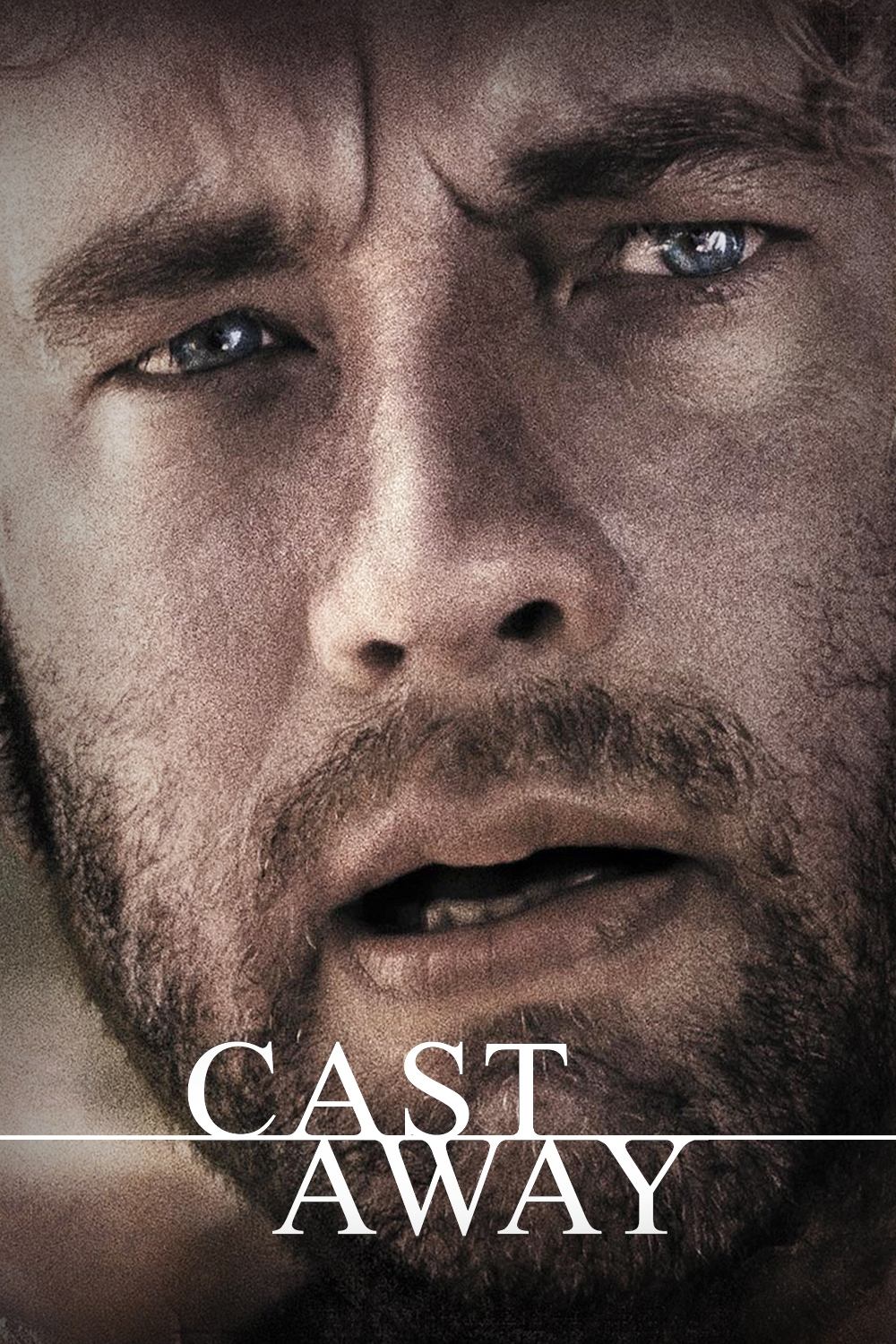
Whenever I engage with a survival narrative as raw and absorbing as “Cast Away,” I often catch myself wondering, “Could this really have happened?” As I dug deeper, I discovered that while the film plunges its protagonist into a gripping ordeal, it isn’t based on a documented, singular real-life incident. The story of Chuck Noland, portrayed by Tom Hanks, emerges from the creative imagination of screenwriter William Broyles Jr. and director Robert Zemeckis. No records show that an actual FedEx employee was stranded on an uninhabited island. So, in the strictest sense, I have to say the film is completely fictional—not a true story, nor a direct adaptation of a single survivor’s experience. However, elements of inspiration are drawn from various real-life survival accounts, giving the movie a sense of gritty plausibility while remaining an original work of fiction.
The Real Events or Historical Inspirations
When I started untangling the threads behind “Cast Away,” I was intrigued to learn that its origins are not attached to one clear historical case. Instead, what I uncovered was an intricate tapestry of survival stories, shared human fears, and philosophical queries about isolation. The creators didn’t adapt a memoir or a historical account; instead, they synthesized a variety of influences. For instance, I found that William Broyles Jr. intentionally marooned himself on a remote Mexican island to research the psychological and practical realities of solitude. He didn’t suffer a plane crash or spend four years alone, but he immersed himself, experiencing first-hand the struggle to make fire, hunt for food, and negotiate basic sanitation. These real challenges made their way into the screenplay, grounding fantastical moments in lived experience.
As I continued my research, instances from history and literature floated to the surface. It’s impossible to ignore the influences of stories like Daniel Defoe’s “Robinson Crusoe” or the fate of Alexander Selkirk, the marooned Scottish sailor who survived on an uninhabited island for four years in the early 1700s. While “Cast Away” is not a retelling of Selkirk’s ordeal, I see echoes of his experience in the film’s depiction of surviving through inventiveness and sheer will. I also noticed hints of modern-day survival stories—like those of plane crash survivors or shipwrecked voyagers—woven into the fabric of the narrative. The inclusion of the FedEx motif was another inventive stroke, allowing the film to touch on globalization, while giving the protagonist a believable reason to be airborne over the Pacific. Ultimately, while no single event anchors the story in fact, a multitude of lived experiences informed its construction.
What Was Changed or Dramatized
Every time I watch “Cast Away,” I recognize how the filmmakers took broad creative liberties, layering tension and symbolism that diverge from the slower, messier realities of survival. For example, the plane crash sequence is choreographed for maximum cinematic impact, with a rapid descent and violent destruction depicted in vivid detail. Survivors of actual crashes rarely recount such a neat, solitary survivor scenario. The odds of walking away unscathed, let alone with resources on hand like unopened FedEx packages, strain credulity from a factual point of view; yet these choices propel the narrative and intensify emotional stakes.
As I reflect on Chuck’s years on the island, I see that the script distills and amplifies the psychological aspects of isolation. The device of “Wilson,” the anthropomorphized volleyball, stands out to me as a dramatized method to externalize Chuck’s feelings of loneliness and desperation. While real survivors have named and talked to objects, the seamless way “Cast Away” turns this into a central theme—and driving force of the film’s most memorable scenes—feels shaped more by storytelling need than historical precedent. Similarly, the condensed timeline and relatively stable climate depicted on the island don’t fully account for the unpredictable perils of such remote locations, like disease, wild animals, or unrelenting weather. Numerous real-life survivors struggle with injuries, infection, or food scarcity on a scale that the film only hints at in service of character development and narrative clarity.
The emotional structure of Chuck’s journey was dramatized as well. His return to civilization, facing profound changes in relationships and identity, crystallizes many survivor accounts into a single thread. But in reality, the aftermath is often far more fragmented and less reconciled. The story neatens complex long-term trauma and social dislocation for the sake of cinematic closure. What’s more, technical aspects—like how long it actually takes to start a fire with primitive methods or build a seaworthy raft—are streamlined for pacing, rather than chronicled step-by-step. The film’s greatest strengths come from these alterations, while simultaneously nudging the narrative away from the messier, unresolved history of true survival events.
Historical Accuracy Overview
As someone who spends my days weighing fact against film, I see “Cast Away” as a fascinating blend of accurate survival detail and narrative invention. The attention to the essentials of survival—making fire, collecting water, fishing, coping with a tooth abscess—align closely with real-world survival manuals and memoirs I’ve read. Broyles’s decision to conduct hands-on research adds a rare layer of verisimilitude. When I see Chuck wrestle with the coconut or grimace through dental pain, I recognize these as honest depictions grounded in the mechanics of endurance.
However, the film’s depiction of surviving four years with minimal injury, fairly consistent weather, and a seemingly endless supply of coconuts and fish, feels considerably less plausible from the perspective of true survival experts. In my analysis, most such island castaways face more severe environmental hazards and struggle with debilitating injuries early on. The Hollywood timeline compresses the boredom, hunger, and psychological turmoil that would ordinarily define so much of the experience. The motif of a FedEx flight crashing near an uncharted island in a vast, well-traveled stretch of the Pacific is also statistically improbable, though not entirely outside the realm of possibility. Most actual castaway stories are shaped by luck, timing, and a level of random chance that rarely allows for tidy outcomes. The ease with which Chuck constructs a raft and navigates ocean currents also glosses over the profound dangers of open-sea travel, where survivors are often lost without a trace.
I find the psychological elements of isolation—ending up inventing a companion, deteriorating mentally while clutching to routine—are depicted with sensitivity and accuracy, even if heightened for dramatic effect. Survivors and psychologists I’ve read confirm that maintaining hope, sanity, and purpose becomes the core struggle. What’s more, the film acknowledges the persistent impact of trauma during Chuck’s reentry to everyday life. Yet even here, his ability to regain equilibrium and find meaning is far more optimistic than the full range of outcomes described by real survivors, many of whom report ongoing difficulty with PTSD, belonging, and self-identity.
How Knowing the Facts Affects the Viewing Experience
For me, learning about the blend of fiction and carefully researched realism at the heart of “Cast Away” fundamentally reshapes how I approach each viewing. Instead of watching through the lens of historical reenactment, I find myself appreciating the film for the questions it raises about resilience and meaning more than its adherence to specific events. Knowing that there was no real FedEx executive named Chuck Noland lost at sea frees me to recognize the story as an exploration of universal human fears—loneliness, transformation, and the struggle for hope—rather than a recreation of one biography. The creative input drawn from many sources, both literary and historical, turns the narrative into a kind of symbolic vessel, where fact and invention are intentionally intermingled.
I also gain a sharper eye for the techniques the filmmakers use to convey what being stranded might feel like, emotionally and physically. When Chuck fashions “Wilson” out of boredom and necessity, I view it as both a practical survival strategy echoed in accounts of real survivors, and a narrative strategy for drawing viewers into Chuck’s evolving mindset. That knowledge keeps me anchored in the reality of the story’s emotional core, even as I acknowledge its dramatizations. The authenticity of the tasks—cracking open coconuts, constructing a raft, tending to wounds—are made more engrossing when I remember Broyles’s quest to experience these challenges first-hand, even if his ordeal was self-imposed and temporary. The result for me is a film that strives for emotional truth over literal detail.
There’s also a kind of liberation in realizing that the unlikely details—a raft cobbled together from driftwood, the precise location of the crash, the neat package of supplies—are there to guide the story rather than to inform it. Knowing this lets me focus on the existential questions the film is probing. How does a person reconstruct a purpose when all structures collapse? What fragments of civilization get carried into utter isolation? When Chuck adapts and changes, I’m not compelled to compare him to the real Alexander Selkirk, or to track the accuracy of the tides. Instead, I lean into the film’s invitation to meditate on what survival means in the largest sense: physically, spiritually, and emotionally.
I also find myself thinking differently about the story’s conclusion, and its depiction of returning home forever changed. Instead of looking for documentary parallels, I see this as a way to process collective anxieties about modern life, disconnection, and transformation. “Cast Away” becomes, for me, less about one person’s factual ordeal than about the thousand small acts of endurance that define all of our lives. The tension between what’s accurate and what’s dramatized only enhances my appreciation for the film’s blend of research, invention, and empathy.
After learning about the film’s origins, you may want to see how audiences and critics responded.
🎬 Check out today's best-selling movies on Amazon!
View Deals on Amazon