
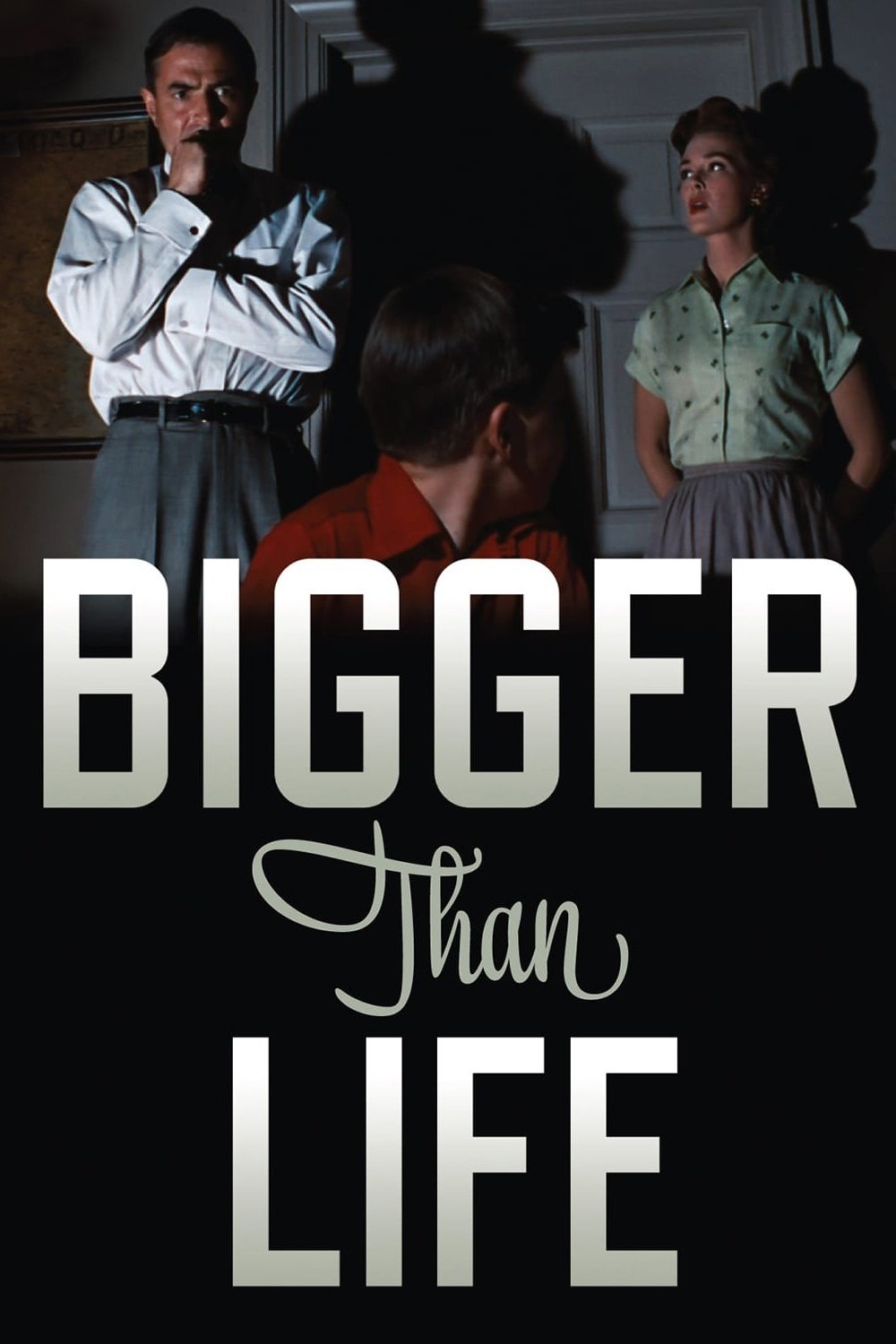
Is This Film Based on a True Story?
Watching “Bigger Than Life” for the first time, I was struck by how immediate and unsettling its depiction of suburban anxiety felt, but as I dug deeper, I realized the film is not a literal retelling of anyone’s biography or a particular event from headlines. I would call it inspired by real medical events and social phenomena more than a direct adaptation of fully documented history. Rather than presenting a point-for-point recounting of true events, it uses real medical breakthroughs as a launching pad. The movie weaves together facts and fiction, based on a nonfiction magazine article, but it’s anything but a documentary. In my reading, this film dramatizes certain recognizable experiences of the era—particularly around health, family, and society—without binding itself to a strict retelling of someone’s life.
The Real Events or Historical Inspirations
When I started piecing together the roots of “Bigger Than Life,” the trail led me to one specific source: a 1955 New Yorker article called “Ten Feet Tall,” written by medical journalist Berton Roueché. This article detailed a real-life case involving cortisone, a newly popularized miracle drug in the 1950s. Roueché, known for his scrupulous accounts of unusual medical cases, chronicled how a man experienced radical psychological changes after being treated with cortisone for a severe illness. The case was remarkable because cortisone was being heralded at the time as a revolutionary medicine, yet here was an example of the unintended behavioral and mental consequences emerging from its use.
For me, the significance of this inspiration is hard to overstate. The New Yorker article dug into the authentic anxieties of a society that was just beginning to realize modern medicine’s power—and its limits. I see director Nicholas Ray and the film’s writers using Roueché’s piece as a skeleton, but fleshing it out with their own dramatic concerns and observations. The protagonist’s profession and domestic life in the film speak to the growing middle-class aspirations and pressures that marked the postwar American suburb, rather than the specifics of the source article’s subject. What stands out to me is the way the filmmakers blend the medical facts with a deep, almost psychological probe into what happens when a man’s sense of control—over his body and his family—slips away.
I’ve found that “Bigger Than Life” occupies a curious space: it is neither a pure fiction nor a strict case study. The roots are in a real medical phenomenon made public by journalism, but the film is unmistakably heightened for effect. I get the sense that while it faithfully represents the basic story of a man succumbing to the side effects of a miracle drug, it uses that situation as a mirror for deeper anxieties about masculinity, family, and authority during the Eisenhower era. So, for me, its reality is in the emotional and social truths it evokes, as much as its adherence to a specific documented sequence of events.
What Was Changed or Dramatized
An aspect I find especially compelling as I trace the differences between the original article and the film is the extent of dramatization. First, the character of Ed Avery—the protagonist—was not a one-to-one facsimile of the actual patient in Roueché’s account. The movie makes Ed a schoolteacher, a husband, and a father, all of which underscore themes of respectability, societal roles, and parental expectations. The article, in contrast, is focused much more narrowly on the medical facts and clinical observations of cortisone’s psychological impact.
I noticed immediately that the film increases the stakes and emotional temperature. Where Roueché described personality changes and paranoia as medical curiosities, “Bigger Than Life” paints them as dramatic crises threatening the entire family structure. For instance, Ed’s growing authoritarianism and his terrifying belief in punishing his son are inventions of the movie, not the article. These dramatic turns heighten tension, but also portray the home itself as vulnerable ground for larger social malaise.
Another significant difference I see is in how the story deals with the theme of “miracle cures” and skepticism about progress. The article was clinical, intended to alert doctors and scientifically literate readers about side effects. The film—perhaps drawing on its medium’s abilities—turns these concerns into a broader social commentary. The gradual unraveling of Ed Avery isn’t just about cortisone. It’s about the expectations placed on men, about the fragility of suburban calm, and about the costs of American optimism gone unchecked. These are distinctly narrative and thematic choices made by the filmmakers, layered onto the fact pattern with more creative license than strict adaptation.
The ending also veers away from the ambiguity or clinical closure of the article. Whereas medical case reports often end with ongoing uncertainty or a technical resolution, the film opts for a dramatic climax and a speech about love and family endurance. I see this as a product of the era and the needs of a feature-length story, rather than a reflection of procedural medical reality.
Historical Accuracy Overview
Based on my research, “Bigger Than Life” is anchored in well-documented truth about cortisone’s side effects, which gave it a medical authenticity uncommon in mid-century American dramas. I found that cortisone was indeed a breakthrough treatment for diseases such as rheumatoid arthritis and severe inflammation. Not long after its introduction, cases began to surface describing unpredictable mood changes, psychosis, and mania induced by this steroid. The medical establishment’s initial enthusiasm was soon tempered by these reports—exactly the phenomenon that Roueché captured in his article.
Yet, as much as the physiological symptoms and pharmacological realities are presented with accuracy, the specifics of Ed Avery’s behavior are clearly fictionalized for the screen. While it is accurate that some patients exhibited paranoia or delusions on cortisone, the extremity of Avery’s breakdown—his violent outbursts, radical transformation of personality, and the narrative arc of near-patricide—were stylized to serve a narrative tension that real medical cases rarely exhibit in such an overt way.
I’m particularly interested in how the movie is accurate in the broad strokes but less so in the details. It’s true that many families struggled with the sudden appearance of mental illness resulting from medical intervention, in an era with scant mental health resources and little public understanding. The scenes where Ed becomes increasingly controlling, critical of his family’s “weakness,” and obsessed with discipline feel, in my experience, more like a distillation of social fears than a clinical case study. They reflect a cultural zeitgeist—an anxiety about losing control to modernity and science—rather than any one patient or documented crisis.
The representation of the medical profession in the film also walks a line between fact and fiction. The hesitancy of doctors, the limitations of treatment, and the lack of foreknowledge regarding side effects were all realistic. However, the melodramatic framing of medical professionals as either complicit or helpless heightens the sense of danger. It’s an artistic amplification, but rooted in real uncertainty that doctors faced at the time when cortisone’s full range of impacts was not yet clear.
If I sum up my view, I’d say the heart of the film is historically realistic in spirit, if not strictly in letter. The day-to-day life, emotional ambience, and societal pressures (especially as filtered through the family unit) are rendered with a fidelity to experience rather than to documentation.
How Knowing the Facts Affects the Viewing Experience
For me, uncovering the factual background behind “Bigger Than Life” not only deepened my appreciation for its audacity, but it changed the tone and focus of my engagement with the film. Knowing that the film isn’t plucking its central crisis from thin air, but rather responding to a documented medical phenomenon—one that genuinely baffled patients, alarmed families, and challenged doctors—makes every escalation in Ed’s behavior feel both more plausible and more tragic. It also highlighted how the narrative uses individual crisis as a lens for examining collective fears, turning private pain into public parable.
I’ve found that audiences with an awareness of the medical breakthrough and subsequent backlash against cortisone will likely find the story resonates with a kind of doubled anxiety: not only the fear of what can happen to a loved one, but also the fuller awareness of how society’s hopes for progress can lead to unintended consequences. The movie’s choices become more pointed when you know it was made during a period of both faith in, and fear of, scientific advances. Instead of seeing Ed’s spiral as a pure invention, I saw it as a warning—one that was grounded in real medical case records, but amplified by the social and domestic climate of the times.
Understanding the medical and cultural context also makes Ed’s struggle feel less an individual failing and more a reflection of the uncertainty that families faced as new technologies and treatments entered their lives. When I watch the film, I now see the psychological collapse not simply as melodrama or metaphor, but as a genuine depiction of how illness (and its treatment) could destabilize entire worlds—especially when support structures for mental health were sparse or stigmatized.
For viewers who seek strict documentary realism, learning of the film’s origins may recalibrate expectations toward a recognition of its hybrid nature. It’s not a documentary, nor a simple cautionary tale, but rather a dramatic rendering informed by and responding to real anxieties. For me, this ultimately enriches the film: each scene is weighted by a keen sense of historical unease, rooted in the newness of medical risk, the pressures of suburban living, and the sometimes-unpredictable costs of progress.
After learning about the film’s origins, you may want to see how audiences and critics responded.
🎬 Check out today's best-selling movies on Amazon!
View Deals on Amazon