
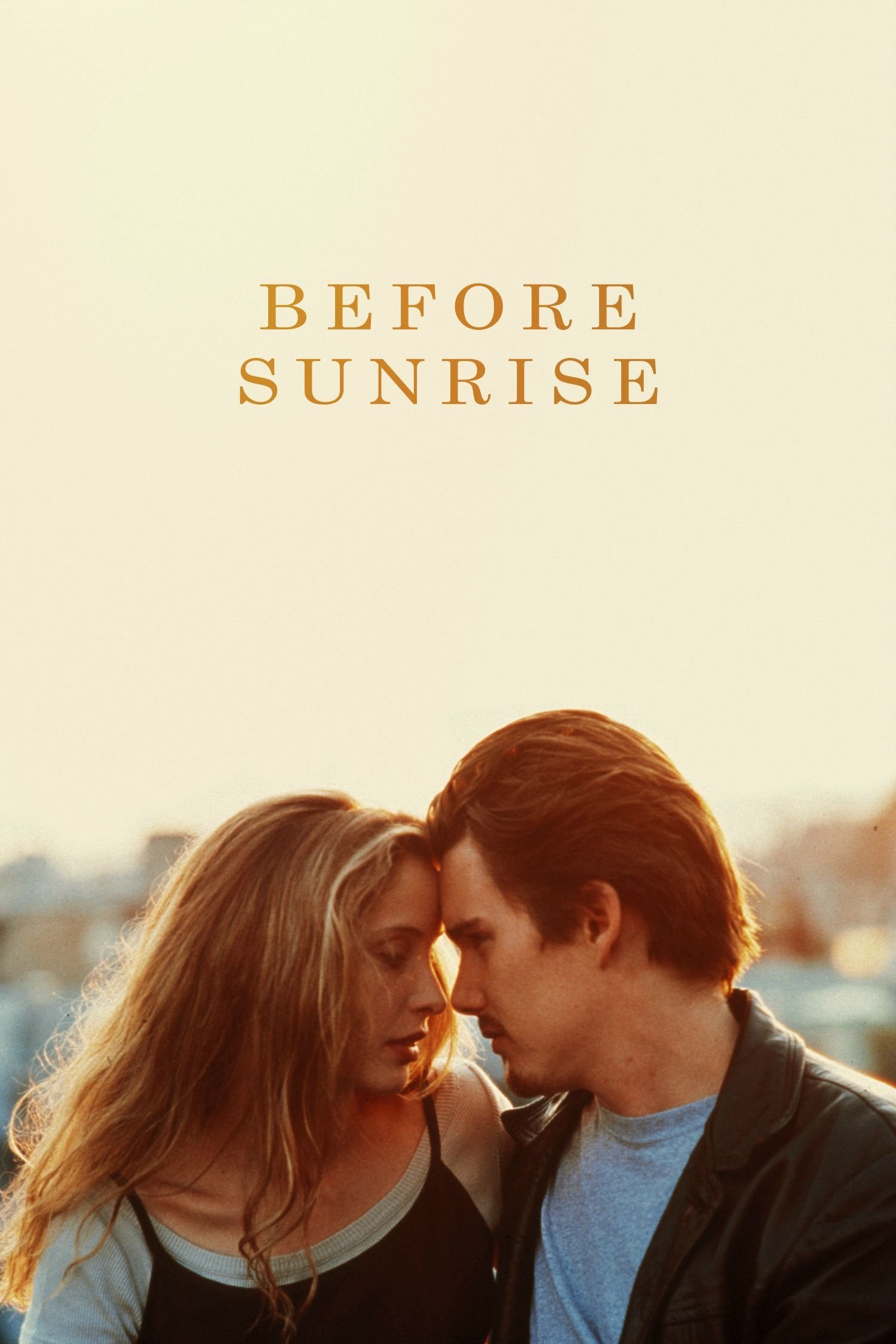
Is This Film Based on a True Story?
The first time I watched “Before Sunrise,” I felt swept up in the illusion that these characters and their encounters could have been documented episodes out of real life. But as I delved into its origins, I learned that the film is not a straightforward recounting of true events. Rather, it stands in that intriguing space of fiction woven from authentic emotion. “Before Sunrise” is not a literal retelling of actual events, yet its roots draw some inspiration from experiences and feelings grounded in reality. I’ve come to understand that while the story itself is crafted for the screen—making it technically fictional—some vital elements are touched by recollections of real encounters, particularly one recalled by director Richard Linklater. However, neither the events of the night nor the particular unfolding of the characters’ discussions happened as portrayed. For me, the relational dynamics and ambience of the film lean closer to inspired fiction than to fact, despite the suggestion that aspects originate from a real-life meeting.
The Real Events or Historical Inspirations
When I researched the origin story behind “Before Sunrise,” I was struck by how personal the film’s starting point was for Richard Linklater, its director and co-writer. He once recounted meeting a young woman named Amy Lehrhaupt during a night in Philadelphia in 1989. The conversation and shared connection between Linklater and Lehrhaupt reportedly shaped his idea for the film, planting the initial seed for what would become Jesse and Céline’s overnight wanderings in Vienna. According to interviews I’ve read with Linklater, he described this experience as an intense, fleeting connection—one that was never supposed to extend beyond their brief hours together. They reportedly kept in touch briefly, but, as often happens with chance encounters, their correspondence faded with time.
This singular night with Lehrhaupt didn’t translate directly into the film’s events or dialogue, but it did provide the emotional and conceptual inspiration. The film’s narrative isn’t sourced from a diary, transcript, or documented history. Instead, it’s the creative result of Linklater’s attempt to capture the ephemeral energy and promise felt during his own encounter. For me, the parallels are more thematic than factual—the idea of strangers meeting, baring their souls, and sharing a suspended night emerged from real feelings rather than an attempt to immortalize a specific timeline or sequence of actions. I’ve found that while the specifics—Vienna at night, the trains, the philosophical musings—are fictional, the heartbeat behind those details comes from something personally lived.
What makes the inspiration behind “Before Sunrise” even more complex is the eventual fate of Amy Lehrhaupt. Only after the film’s release did Linklater discover she had died in a motorcycle accident in 1994, before the film premiered. This knowledge adds a poignant layer to the film’s context, though it didn’t directly shape the script or filming process. No historical or literary documents serve as direct blueprints; this isn’t a case of adapting a prior work. Instead, I see “Before Sunrise” as a fusion of memory, imagination, and storytelling—a fictional narrative sparked by a real emotional moment but unbound by literal truth.
What Was Changed or Dramatized
In my exploration of the differences between inspiration and execution, I’m always fascinated by how filmmakers translate private moments into cinematic language. In the case of “Before Sunrise,” even though the genesis of the film traces back to Linklater’s own experience, the transformation from life to screen is significant. First, the entire setting is shifted. Linklater’s chance meeting occurred in Philadelphia, whereas in the movie, Jesse and Céline meet on a train and decide to venture through Vienna. This isn’t merely a change of backdrop—it sets a different cultural atmosphere, giving rise to the European openness and serendipity that colors the plot. For me, this shift is more than geographical; it changes the emotional texture of the film, wrapping the protagonists in the romance of a foreign city, suggesting discovery on multiple levels.
Beyond setting, the personalities, motivations, and backgrounds of Jesse and Céline are wholly invented. I’ve read interviews where Ethan Hawke and Julie Delpy, who play Jesse and Céline, described their deep involvement in shaping dialogue and character arcs. Their improvised exchanges and personal touches lend authenticity to the fictional scenario, but the conversations themselves are scripted, collaborative inventions—crafted for cinematic flow and philosophical resonance. Unlike Linklater’s real-life encounter, where records of the conversation are lost to memory, the film is meticulously designed to maintain engagement and thematic cohesion.
Time is another device altered for dramatic effect. The film unfolds minutely over the course of a single night, allowing viewers to feel as if they’re walking alongside the characters in real time. In reality, such memorable nights may be condensed, rushed, or less eventful. In the film, every moment crackles with significance, and serendipitous encounters with locals—fortune tellers, street poets, musicians—feel artfully placed, contributing to the larger narrative of discovery and intimacy. No accounts ever suggest that Linklater’s real-life inspiration encountered such episodes with Lehrhaupt. In my view, every scene, every spontaneous connection in the film, is designed to explore broader themes of transience and emotional possibility rather than to document a literal experience.
The conclusion is another crafted invention. The film’s ambiguous ending—will the lovers reunite, or will this night simply dissolve into memory?—serves a specific narrative purpose. Real life rarely wraps up with such open-ended, tantalizing uncertainty, but as a viewer, I became aware that this ambiguity is fundamentally cinematic. According to Linklater, he and Kim Krizan, his co-writer, crafted the story to mirror the sense of possibility and unfinished business felt in many real-life encounters. I’ve never seen any suggestion that there was an actual arrangement or promise between Linklater and Lehrhaupt that directly mirrors the film’s closing. The emotional authenticity is preserved, but the details are pure invention.
Historical Accuracy Overview
When I weigh the elements of fact and fiction in “Before Sunrise,” I see a film that was never intended as a factually accurate document. The movie isn’t grounded in verifiable chronicles, newspaper headlines, or biographies. It’s an artistic interpretation of a universal human experience: two strangers meeting and connecting, perhaps indefinitely changed by their brief intersection. From that perspective, the film’s historical reliability depends less on factual correspondence and more on emotional resonance.
I’ve read that many viewers come away believing the characters’ experiences to be plausible, even if they are unlikely. That plausibility is a testament to Linklater’s and Krizan’s talents as writers—and to the lived reality that inspired the film’s premise. Still, if I’m being precise about historical accuracy, the film does not portray identifiable real events, people, or conversations. Beyond the influence of Linklater’s night with Amy Lehrhaupt, there is no evidence of documented accuracy down to individual moments, street locations, or spoken words. Everything that happens in Vienna, from the philosophical conversations to the flirtatious dares and emotional revelations, arises from artistic creation and collaboration, not historical sources.
To my mind, what makes the film notable is the way it leverages real feelings and universal experiences, rather than reconstructing any actual historical meeting or relationship. The spirit of “what if”—the possibility that such a night could happen—is more historically accurate than the details of what unfolds. Other adaptations or films may cleave to diaries, memoirs, or court cases; “Before Sunrise” cleaves to emotional authenticity, but ultimately stands as a work of fiction with only a sliver of biographical starting point.
How Knowing the Facts Affects the Viewing Experience
For me, knowing that “Before Sunrise” was sparked by a night in Linklater’s life rather than being anchored in precise history changes how I interpret the film’s poignancy and realism. When I first watched the movie without that knowledge, I bought completely into its realism, marveling at how “real” the film felt—its flow, its languid pace, its seemingly unscripted nature. After researching the origins and understanding that the specific story is fictional, I now watch it as a cinematic thought experiment: What does ideal human connection look like when distilled through the lens of memory and creative revision?
I notice myself responding differently to Jesse and Céline’s interactions. Initially, I wondered if their philosophies, confessions, and tensions mirrored actual conversations between Linklater and Lehrhaupt. Upon realizing that the real-life encounter was far less documented and more inspirational than factual, I focus less on rooting the dialogue in history and more on how these characters offer archetypes of fleeting relational possibility. It heightens my appreciation for the craft involved in simulating raw intimacy and chance discovery, knowing that it’s all imagined from the ground up.
There’s also a bittersweet feeling knowing about Amy Lehrhaupt’s untimely death before she could see the film’s release. While her influence on the narrative is foundational, the knowledge that her fate diverged from any speculative “reunion” narrative adds a new layer of melancholy and gravity to my repeat viewings. Rather than treating the love story as one that could or did happen, I now perceive it as an exploration of the “roads not taken” and the “what might have been” that lingers after momentous encounters. I often find this awareness deepens the emotional impact of the film, even as it makes the characters’ night feel more like an emotional parable than a possibility bound to the real world.
Understanding the film’s origins, I’m less likely to seek literal correspondence and more likely to enjoy the emotional truth behind the fiction. I embrace the idea that art sometimes best captures the spirit of real moments by spinning them into something larger, something more poetic, and sometimes even more meaningful than their factual inspiration. For me, knowing the line between fact and fiction in “Before Sunrise” enriches the film’s thematic weight. It invites me to meditate on the ways chance, memory, and creativity can collide to create stories that, while not strictly true, feel universally honest.
After learning about the film’s origins, you may want to see how audiences and critics responded.
🎬 Check out today's best-selling movies on Amazon!
View Deals on Amazon