
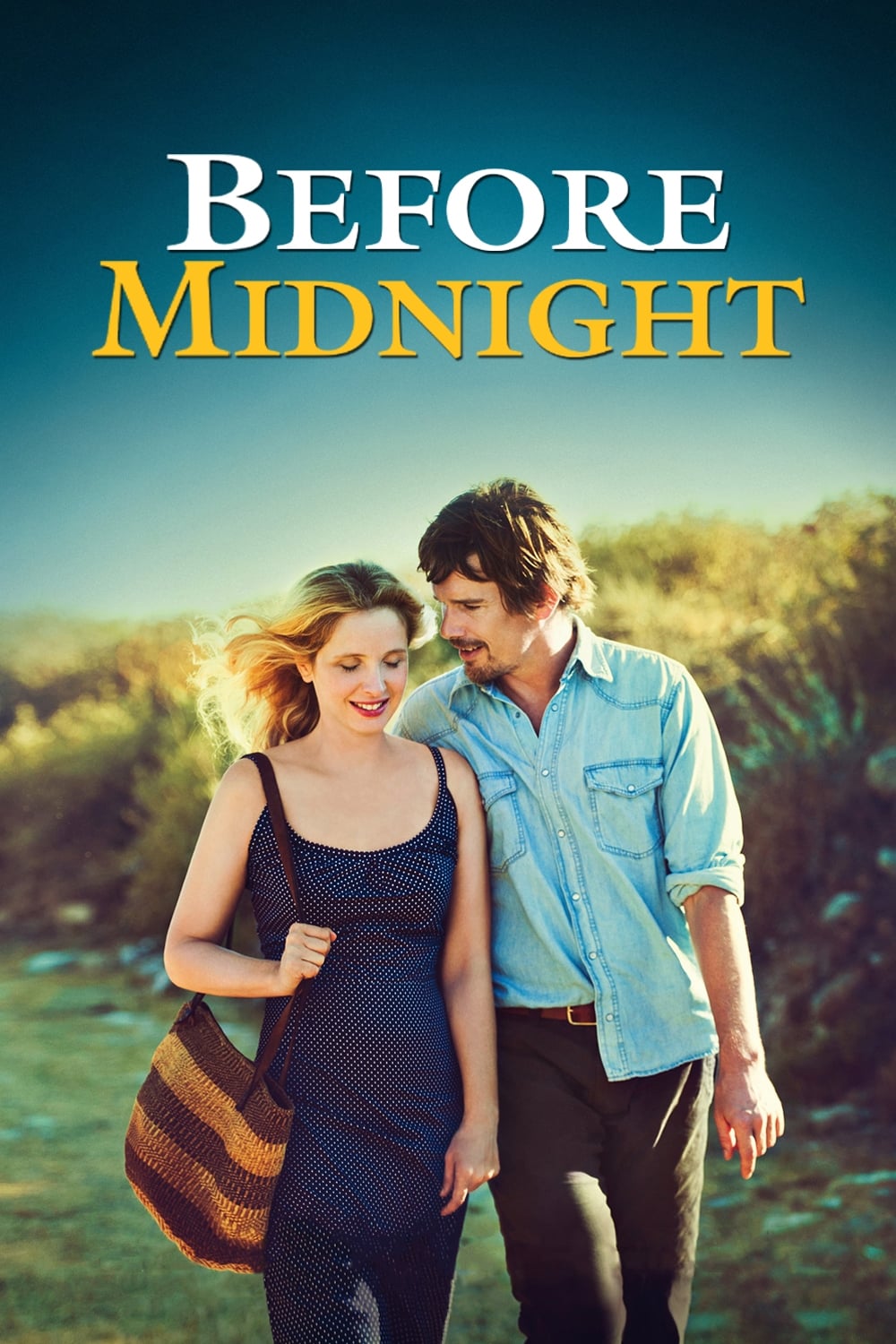
The Question of Truth Behind the Film
The first time I sat down to watch “Before Midnight,” I remember feeling as though I were intruding on an unguarded moment between two real people. There was a quality to the characters’ exchanges—a combination of candor, awkwardness, and tenderness—that made the line between reality and fiction seem unusually thin. This experience brought me to a recurring question: how much of what I saw on screen came from lived experience, and how much was invented for the sake of drama or structure? When I talk with fellow film enthusiasts, I notice how often “Is this based on a true story?” becomes the opening inquiry, as if authenticity enhances emotional engagement. I suppose we collectively yearn for art that mirrors real life, believing it somehow carries greater weight if it draws directly from truth. For me, discovering the factual origins—if any—behind a film like “Before Midnight” doesn’t merely satisfy curiosity; it reframes my relationship with what I’m seeing. There’s almost an expectation that a “true story” label will guarantee a certain substance or relevance, and when such a claim is missing, I find myself wondering what was left behind or quietly invented.
Historical Facts and Cinematic Interpretation
When I reflect on “Before Midnight” within the context of cinematic truth, I start by considering its genesis. As I understand it, the film is not an adaptation of verifiable events but arises from the creative interplay between Richard Linklater and actors Ethan Hawke and Julie Delpy. Their well-documented process of collaborative writing and improvisation fascinates me, because it blurs the line between lived and scripted experience. The couple at the heart of the story—Jesse and Celine—are not direct stand-ins for the creators themselves, yet I notice how the film borrows authentic emotional currents that feel deeply personal. Rather than referencing a specific historical incident, the movie becomes a kind of emotional compendium. I’m always struck by how, with such films, reality can be reconstructed through observation and conversation. The writers condense years of lived relationship dynamics into a single, sun-dappled day in Greece. I find that moments of conflict or warmth in the narrative aren’t just arbitrary; they echo the sort of real, complicated negotiations present in long-term relationships everywhere, but the timeline is necessarily compressed for dramatic clarity. Every glance or line of dialogue seems meticulously chosen, blending lived reality with the discipline of crafted storytelling. It creates the illusion of eavesdropping on real-life partners, though what I’m seeing is more like a theatrical mosaic assembled from many fragments of possible truth.
What Changes When Reality Is Shaped for Cinema
As I analyze the tension between authenticity and cinematic necessity in “Before Midnight,” I become acutely aware of the compromises required to translate experience onto the screen. There’s a distinct balancing act that shapes the film’s identity. I often think about the countless, uneventful hours that define real relationships—long silences, mundane tasks, non-sequiturs, repetitive arguments—which are rarely directly translated into a two-hour movie. The process of adaptation means sharpening and condensing these moments for narrative propulsion. Watching Linklater’s trilogy, especially the third installment, I notice a careful orchestration: conversations are simultaneously sprawling and focused, anxiety-laden conflicts are contained within single settings or scenes, and conversational threads loop back in organically satisfying ways. This isn’t how life unfurls in real time, yet the essence remains recognizable. I’m struck by how cinema, by necessity, omits, augments, or rearranges details to shape meaning or heighten emotion. Scenes in “Before Midnight” often carry a density of layered subtext; arguments that might unfold over months in reality play out in an afternoon. The constraints of the medium—time limits, audience attention, narrative arcs—require these choices. Although the characters feel genuine, I’m aware that their lives are shaped for maximum narrative elasticity, which often means privileging resonant, repeatable patterns of behavior over actual chronology.
Audience Expectations and the “True Story” Label
The presence or absence of a “based on a true story” label invariably alters how I approach a film. If I’m told in advance that what I’m watching is anchored in real events, my experience becomes filtered through a particular lens of expectation. I find myself searching for direct correspondences to headlines, historical timelines, or famous biographical details. It’s as if the emotional stakes are validated by external facts. With “Before Midnight,” I find that I enter the viewing experience with all the freedoms and ambiguities of fiction. Here, what matters most to me is the internal logic of the world: the rhythm of conversation, the plausibility of character reactions, and the complexity of emotion. There’s a certain liberation in watching a film that isn’t constrained by a specific historical narrative or predetermined outcome; it allows me to relate more universally, projecting my own experiences into the gaps. On the other hand, were the film overtly marketed as “true,” my engagement would shift—I might become more pragmatic, dissecting events for historical veracity or scouring performances for biographical parallels. I find that the lack of such a label in “Before Midnight” sharpens my sensitivity to the small, truthful moments embedded within fiction, rather than measuring them against a singular, outside reality.
Final Perspective on Fact vs Fiction
After immersing myself in what “Before Midnight” achieves by blurring the line between fact and fiction, I’m left pondering how my own knowledge—or lack thereof—shapes my reading of the film. If I’m conscious that I’m watching pure fiction, I grant myself license to be swept up by the artistry, to accept the dialogue and conflict as the work of invention, and to search for truth in feeling rather than fact. Yet when I discover that elements have roots in real observation or autobiography, I experience a deepening sense of connection: the narrative resonates as a collective history, not just one of the filmmaker or the actors but of anyone who has ever loved ambitiously, argued fiercely, or longed restlessly. It doesn’t necessarily change how much I value or enjoy the film, but it does adjust the coordinates of my interpretation. I might pay closer attention to nuance, searching for the seams between invention and confession, wondering where storytelling ends and testimony begins. This ongoing negotiation of fact and fabrication doesn’t diminish my experience; rather, it amplifies my awareness of cinema’s unique capacity to invent realities that are believable and, possibly, more emotionally true than even the strictest biographical retelling.
For additional context, you may also explore the film’s overview and how it was received by audiences and critics.
🎬 Check out today's best-selling movies on Amazon!
View Deals on Amazon