
Is This Film Based on a True Story?
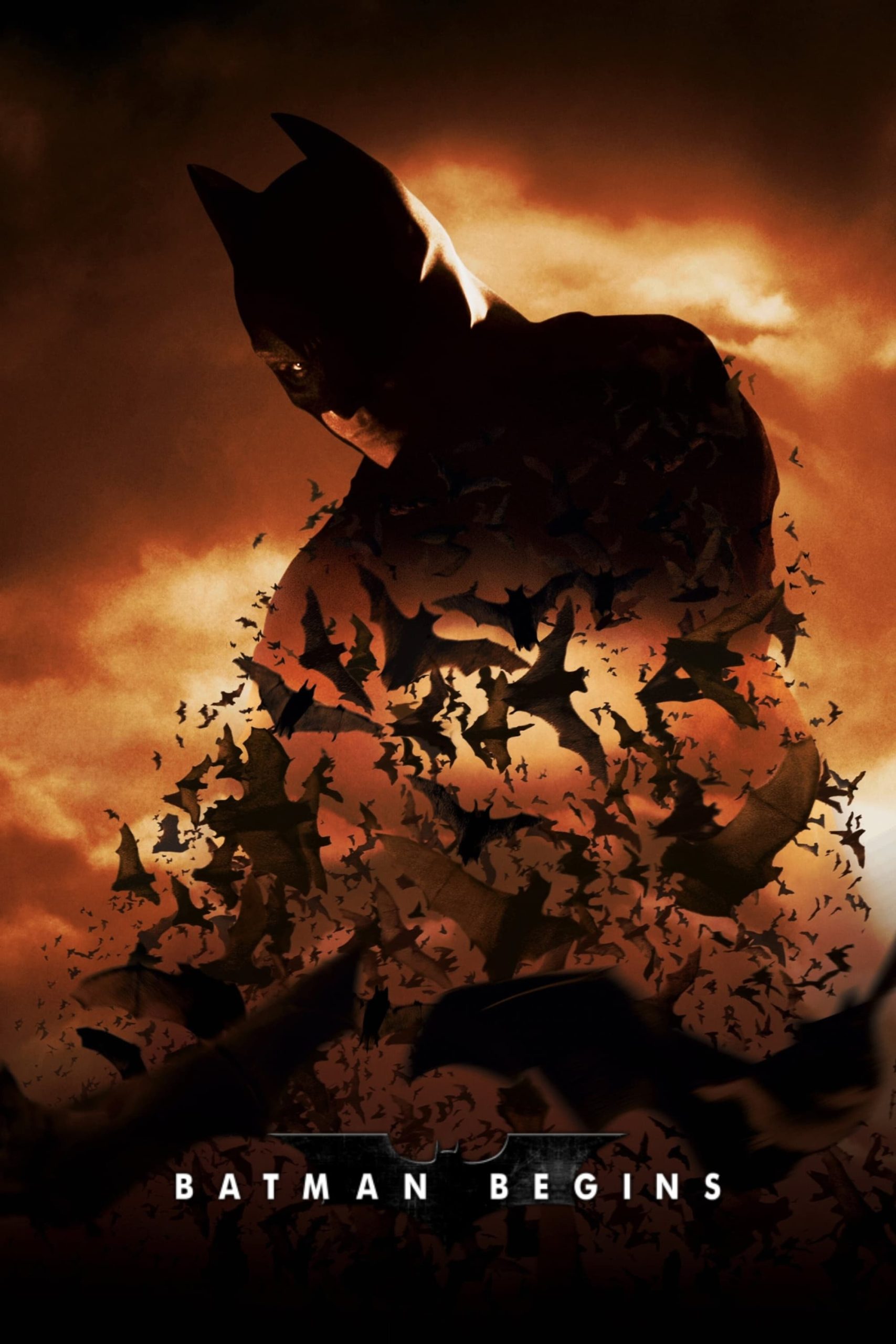
Almost immediately, when I reflect on watching “Batman Begins” for the first time, I recognize that it situates itself firmly within the realm of fiction. I would describe this film as entirely fictional in terms of real-world events and people. At no point did I feel like the Gotham of the screen was meant to reflect a real city on our map, nor that Bruce Wayne’s journey matched an individual’s lived experience. The world of Batman—his allies, his enemies, his gadgets, even his transformation—exists squarely in the imaginative universe created by comic book writers. While some aspects borrow psychological realism or thematic elements from broader human experience, I saw no moment where it could be mistaken for a dramatization of historical fact. Instead, “Batman Begins” represents a cinematic adaptation of the well-established Batman mythos from DC Comics, with not a single plotline or character drawn from the annals of actual history.
The Real Events or Historical Inspirations
As I delved into the background of “Batman Begins,” I found myself tracing the roots of Batman back to the creative team of Bob Kane and Bill Finger, who birthed the character in 1939 for Detective Comics. There weren’t real masked vigilantes patrolling city rooftops, but I’ve read that the creators drew loose inspiration from a blend of sources like pulp heroes (The Shadow, Zorro), detective fiction, and the noir films of earlier decades. Yet, in terms of literal real-world reference, the story and characters of “Batman Begins” are not based on any factual figures or events. What caught my attention, though, was the ways in which the film’s tone appeared inspired by the anxieties of modern urban environments—fear, corruption, the struggle for justice. When I watched the scenes of Gotham plagued by poverty, organized crime, and failing institutions, I could see echoes of real social concerns, yet all were filtered through the heightened lens of comic book fantasy. There is certainly a feeling of social realism; the idea of urban decay and the aspiration for reform is something I associate with American history, especially in large cities. But as far as factual documentation or direct historical precedent, “Batman Begins” employs none. The story remains a work of invention, albeit one that resonates with familiar cultural undercurrents.
What Was Changed or Dramatized
When I analyze how “Batman Begins” approaches storytelling, I find that most of its changes or dramatizations stem from adapting decades of comic book material rather than reshaping historical events. Specifically, director Christopher Nolan and screenwriter David S. Goyer synthesized elements from comic storylines like “Batman: Year One” by Frank Miller and David Mazzucchelli, “The Man Who Falls,” and other notable narratives. As I watched, it became clear they simplified and combined different origin tales to fit the cinematic format. Key features—such as Bruce Wayne’s training with the League of Shadows, the inclusion of Ra’s al Ghul as a mentor-turned-antagonist, and the thematic focus on fear—are drawn from the comics but reorganized for this standalone film.
In my examination, I see that no “Bruce Wayne” ever existed, so the journey of orphaned billionaire to caped crusader is a complete invention. The League of Shadows, as presented in the film, never existed as a real secret society. In fact, the specifics of Gotham’s infrastructure, crime syndicates, and even the character of Dr. Jonathan Crane (Scarecrow) are narrative constructs. I also recognize that many of Batman’s iconic gadgets—the Tumbler (a reinterpretation of the Batmobile), memory cloth cape, and fear-inducing toxins—are dramatic inventions showcasing an advanced or speculative level of technology that, while rooted in a semblance of plausibility, have no direct analog in real-world science. The Wayne family’s philanthropic legacy, the influential and corrupt Gotham elite, and Rachel Dawes (who never appeared in the comics prior to this film) are all implemented to give the story a personal and emotional resonance. I found these choices to be clear dramatizations designed to give the ethos of Batman a logical, modern grounding rather than reflect recorded history.
Where some might feel that the atmosphere, costuming, and visual style borrow from places like Chicago or New York, I see these as artistic choices intended to evoke timeless urban decay, not to recreate a specific historical setting. Character backgrounds, such as Thomas and Martha Wayne’s murder, are long-standing comic tropes rather than reworkings of real public figures. Even the film’s portrayal of societal collapse—induced by economic depression, corruption, and criminal power—serves as a dramatic device rooted in generic fears about urban life rather than any particular episode from history.
Historical Accuracy Overview
My exploration of the historical basis behind “Batman Begins” confirms for me that its faithfulness is to established comic lore, not to real-life events. Any accuracy I found lies in the internal consistency and realism Nolan and the filmmakers injected into the psychology and cityscape of Gotham. For example, mental health issues and the concept of vigilantism have roots in longstanding societal debates, and the narrative’s exploration of justice, law enforcement ethics, and social decay certainly touch on themes found in American history. However, when measured against historical records, every event, character, and major turning point in the film exists in the realm of fantasy.
I noticed that the closest the film comes to referencing real history is in its allegorical depiction of urban decline, organized crime, and the failure of public institutions. The mood and themes evoke the economic and societal challenges faced by cities in the 20th and 21st centuries, yet these are broad thematic parallels, not direct recreations. The weaponization of fear through Dr. Crane’s “fear toxin” has no historical precedent, and the League of Shadows’ plot to destroy Gotham does not correspond to any organization or event in reality. Even the technical details, such as the specifics of the Batmobile or Wayne Enterprises’ advanced weapon prototypes, reflect speculative fiction rather than present or historical technologies. Where Bruce Wayne’s commitment to self-sacrifice and dual identity are concerned, these are archetypal elements familiar from myth, literature, and psychology, but not verifiable biography. For all its gritty tone and sophisticated take on morality, I realized that “Batman Begins” stands apart from any direct historical record, with its accuracy being self-contained within the DC universe.
What I find particularly compelling is that Nolan’s approach to realism—grounding Batman’s journey in plausible motivation, trauma, and training—has led some viewers to wonder about the feasibility of a vigilante like Batman. Yet, from my understanding, no similar figure has appeared in real history. Any supposed “accuracy” lies in the film’s ability to make the impossible feel emotionally or thematically true, but not historically so.
How Knowing the Facts Affects the Viewing Experience
Learning that “Batman Begins” is wholly fictional, with roots in comic book storytelling rather than true crime or history, shapes how I approach the film. I never expect to spot references to real people or events when I watch it; instead, I look for what the film is communicating about justice, fear, and renewal through metaphor and larger-than-life characters. When I see Bruce Wayne struggling with loss, guilt, and the desire to create lasting change, I leave behind any search for historical accuracy and immerse myself in the archetypal journey. It’s a story about personal and societal transformation rather than a retelling of a historical event.
In my experience, recognizing the fictional status of the film actually enriches my appreciation of its creative ambition. Freed from the constraints of re-enacting fact, the filmmakers can combine elements from myth, psychology, and social commentary in bold, original ways. Whenever I recognize the influences—whether from classical hero’s journeys, urban legends, film noir, or social theory—I value the film on the level of imaginative engagement rather than factual reporting. This also means I am more attuned to the film’s metaphorical implications: the use of fear as both weapon and motivator, the moral ambiguity of vigilantism, the possibility of redemption in a corrupted world. I am not measuring performances or set-pieces against documentary standards; I am watching for the emotional and intellectual truth the film wants to convey through its own fictional logic.
This awareness also changes how I respond to the more fantastical or exaggerated elements: when Batman glides over the city, or a hallucination transforms a familiar landscape into nightmare, I am not searching for ways these might have occurred historically. Instead, I enjoy how they serve the story’s deeper purposes—exploring trauma, overcoming adversity, introducing hope. Gotham is not a real place for me; it is a narrative battleground for the human struggle with chaos and order. Recognizing this, I can appreciate the intricate interplay of genre, style, and theme without feeling disappointed by a lack of documentary evidence. For audiences seeking a true story, I would tell them not to expect historical revelations, but perhaps unexpected insight into the human condition through a fictional mask.
After learning about the film’s origins, you may want to see how audiences and critics responded.
🎬 Check out today's best-selling movies on Amazon!
View Deals on Amazon