
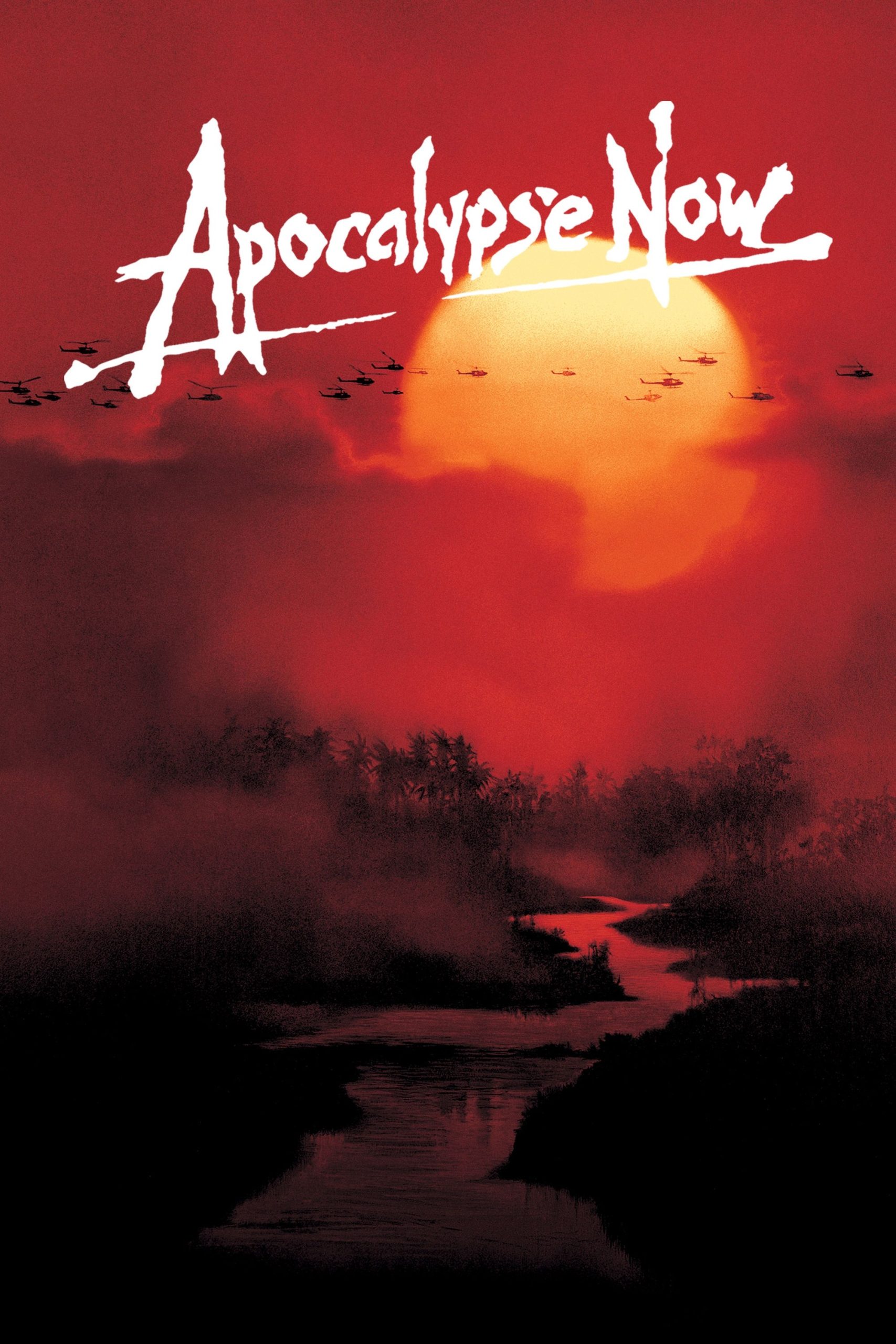
The Question of Truth Behind the Film
Whenever I watch Apocalypse Now, I find myself wrestling with the origins of its narrative. There’s a curious habit I notice—not just in myself but in most filmgoers—of being compelled to ask, “Did this really happen?” That question, simple on the surface, speaks volumes about how I process cinematic experiences. I’m aware that labeling something as “based on a true story” instantly shifts both my emotional investment and my analytical gaze. This label, frequently brandished in trailers and promotional material, brings an entire set of assumptions about accuracy and responsibility. If a film announces itself as grounded in historical events, I start scrutinizing what it shows differently, measuring each moment against my understanding of reality. In the context of Apocalypse Now, a film that’s perpetually hovering between the factual canvas of the Vietnam War and the surrealism of its own vision, this contrast becomes strikingly apparent. When I know that something unfolded in history, I tend to assign more gravity to the struggles depicted, while fictional elements seem to invite me into the artist’s imagination rather than the world’s documented pain or triumph. By distinguishing between truth and fabrication, I recognize that my questioning is not just about trivia. Instead, it serves as a navigation system, guiding how I relate to character motivations, narrative intensities, and thematic resonance. This fascination with what is “real” almost feels like a search for an anchor in the chaotic experience that Apocalypse Now deliberately throws me into.
Historical Facts and Cinematic Interpretation
As someone who often investigates origins before or after watching a historically situated film, I became particularly intrigued by how Apocalypse Now transforms its historical touchstones into something labyrinthine and hallucinatory. The film draws a frame around the Vietnam War, yet it doesn’t advocate for documentary precision. I notice almost immediately that the war, while never vague, becomes less a backdrop of events and more a landscape for human descent and existential questioning. This is where I see the creative engine revving: the plot adapts Joseph Conrad’s novella, “Heart of Darkness,” relocating its quest from colonial Africa to American-invaded Southeast Asia. In tracing this move, I realize Apocalypse Now doesn’t claim to transcribe fact; rather, it uses fragments of history—the broad strokes of the US military presence, the contradictory engagement with local cultures, the psychological toll on soldiers—as narrative clay to build its own structure.
For me, its vivid sequences, like the airborne assault to Wagner’s “Ride of the Valkyries” or the Do Lung bridge crossing shrouded in madness and flares, are not records of individual skirmishes but heightened, stylized renderings. I understand that these moments are reconfigurations, taking bits from documented incidents, military mythology, and postwar memoirs, then reshuffling them to serve character progression and mood. The character of Colonel Kurtz, for example, may echo real-life figures who went rogue or were rumored to operate outside conventional military codes, but I see him as an amalgam—distilled for effect rather than biographical fact. In reflecting on these choices, I find that my comprehension of the Vietnam War shifts: reality is there, but always through a lens bent for expression. This makes me question not only what is presented, but the boundaries of what constitutes “truth”—realizing that filmic truth often lies as much in evocation as in documentation.
What Changes When Reality Is Shaped for Cinema
One of the most compelling issues I encounter watching Apocalypse Now is the way reality is both honored and intentionally distorted for cinematic impact. I’ve spent time considering the practicalities behind this—how the method of translating history into cinema is never neutral. The nature of film demands choices: compression of time, invention of character arcs, and creation of composite events are all tools that filmmakers use to draw a coherent story from the sprawling, chaotic expanse of real life. For me, these alterations aren’t about dishonesty so much as they are about negotiation between authenticity and storytelling. They can create sharper drama or clarify the muddled ambiguities of real conflicts, but the cost is often a smoothing over—not of the complexities, but of the jagged randomness and unpredictability that actual history can have.
I have observed that Apocalypse Now takes these trade-offs further than many films. It embraces the surreal, at times detaching itself totally from verifiable chronology or geography. The landscape, both physical and psychological, is heightened for contradiction and disorientation. In doing this, the film, at least in my experience, moves the Vietnam War from a historical event to an existential voyage. The misalignments—military protocols subverted, timelines muddled, interactions staged more for symbolism than record—are less about deception and more about pulling me into a certain state of mind. This reshaping does occasionally give me pause. It raises questions: what aspects of the war am I encountering directly, and what has been transformed to make an allegory? The distinction, for me, is not always clear-cut, and the ambiguity itself sometimes becomes the point. Cinema, after all, relies on engaging the viewer with emotion and structure—tools that don’t always map neatly onto the unpredictable record of actual events.
Audience Expectations and the “True Story” Label
When I’m told that a narrative film is drawn from true events, my own engagement changes dramatically. I’ve noticed I become both more trusting and more skeptical—trusting that important truths are being displayed, but also hyper-alert for signs of exaggeration or manipulation. With Apocalypse Now, the absence of a straightforward “true story” label makes my critical orientation unique. The film neither claims to reenact specific events nor presents itself purely as fantasy, which thrusts me into a floating zone of interpretation. I’ve discussed this with fellow viewers and noticed a spectrum of reactions—some draw deep meanings about the Vietnam War from the film, others approach it as abstracted metaphor, largely disconnected from precise history.
For me, the difference between “presented as fact” and “inspired by real events” is fundamental. When I interpret a film as documentary-adjacent, I read its world as a reconstructed reality—each moment is, in my mind, a testimonial. In contrast, with Apocalypse Now, I find myself foregrounding the film’s artistry and metaphorical approach. This shifts my expectations entirely; instead of fact-checking the narrative, I search for what the exaggerations, surreal touches, and narrative digressions might signify. I consider what these choices suggest about war, authority, and alienation. The “truth” of the war, in my viewing, isn’t necessarily visible on the surface. It emerges from the way the film unsettles me, from the moral disorientation and psychological rupture it creates—emotions that may, paradoxically, map closer to what many veterans describe than a strict recitation of policy or battle reports ever could.
Final Perspective on Fact vs Fiction
After repeated encounters with Apocalypse Now, I’ve come to appreciate how my awareness of its mix of fact and fiction actively shapes my interaction with it. Knowing where the foundations of reality end and cinematic invention begins does not diminish my engagement, but it fundamentally colors my sense of what I am witnessing. The film becomes, for me, less a document of what happened than a meditation on the consequences and psychological states produced by a particular moment in history. My understanding is layered: the factual scaffolding of the Vietnam War sets up expectations—the uniforms, the names, the settings. Yet, the film’s liberties with place, time, and character compel me to read it on another, less literal plane.
I find it striking how my interpretive lens shifts: actual historical knowledge can provide nuance, but it also exposes the deliberate choreography of the piece. When fact is overtly fictionalized, it invites me to focus on symbolism, theme, and atmosphere rather than on surface accuracy. This is, to me, the invitation a film like Apocalypse Now extends—to enter into a psychological portrait rather than a historical chronicle. Rather than seeking confirmation of the world I know from newsreels or memoirs, I allow myself to explore what it might have felt like, through a mixture of fact, impression, and phantasmagoria. The movement between reality and fiction doesn’t flatten meaning; it thickens it, offering conflicting sensations of truth that seem to mirror the ambiguity of history itself.
For additional context, you may also explore the film’s overview and how it was received by audiences and critics.
🎬 Check out today's best-selling movies on Amazon!
View Deals on Amazon