
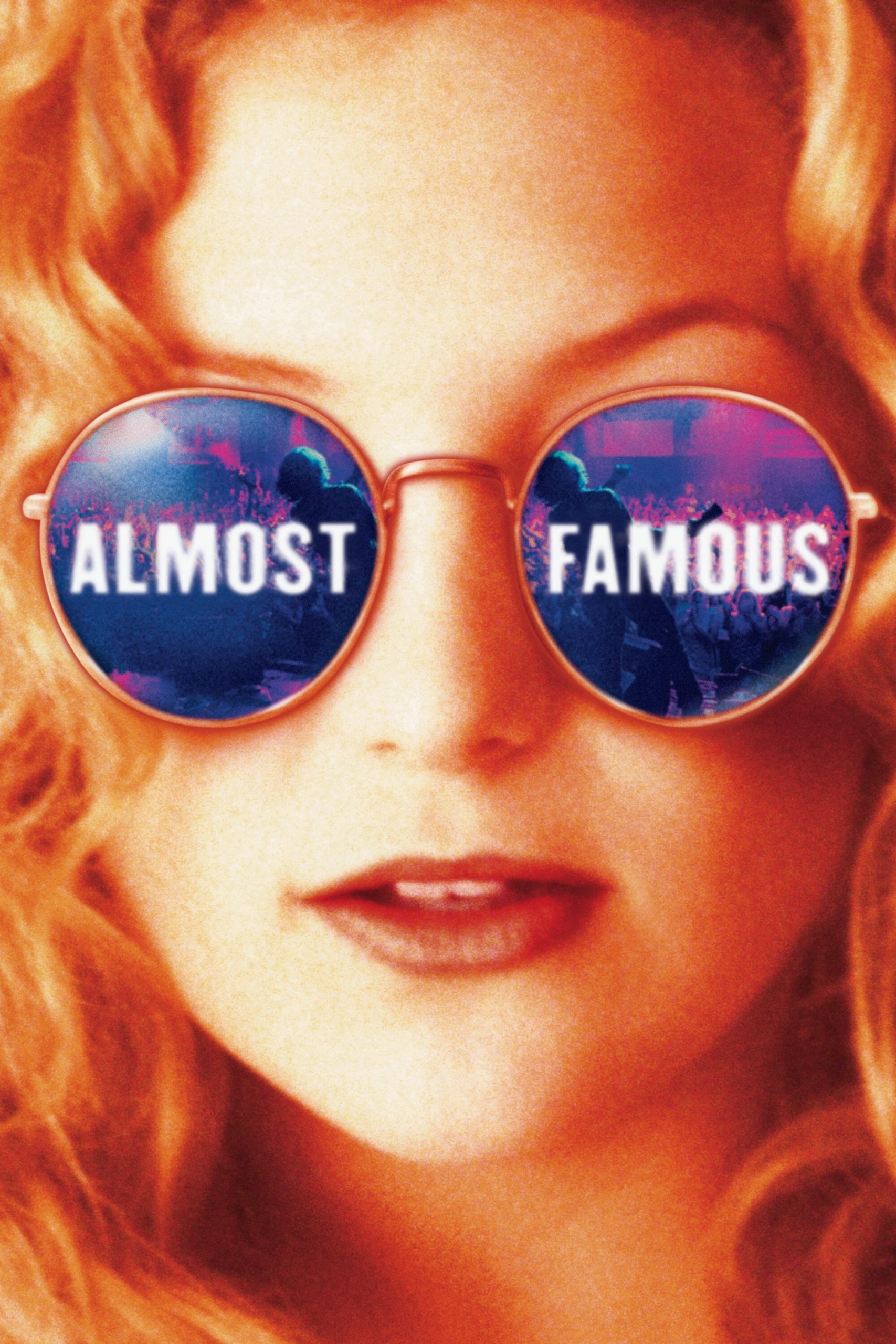
The Question of Truth Behind the Film
The first time I watched Almost Famous, I couldn’t help but feel an itch of curiosity—was all this really true? The lure of the “true story” label tugs at something very basic in me. There’s a kind of thrill in believing that what’s on the screen comes from genuine experience, that these characters once lived and breathed somewhere outside the camera’s frame. For me, a film based on real events carries a different weight than a purely imagined story; it changes how I relate to the characters, how I judge their actions, and even how I empathize with their struggles. When a movie hangs the phrase “inspired by real events” in front of me, I find myself searching for the seams—wondering what comes from lived experience and what has been conjured up for drama’s sake. This question isn’t just intellectual; it’s almost visceral. It shapes my willingness to suspend disbelief, and it colors my interpretation of what the film might mean about the world we actually live in. That urge to ask “Did it happen like that?” seems, to me, to reflect a deep-rooted desire to connect with stories on a level that reaches beyond fiction, especially when the subject matter flirts with the autobiographical or touches on real scenes from the cultural past.
Historical Facts and Cinematic Interpretation
When I consider Almost Famous, I’m always aware of how its story draws from Cameron Crowe’s own teenage years as a music journalist. But looking for historical accuracy scene by scene can feel futile. In my view, Crowe’s experiences become a kind of raw material, not a rulebook. What strikes me is how the film reshapes lived events into something more cohesive, more narratively satisfying. It doesn’t attempt to reproduce Crowe’s adolescence precisely; instead, it transforms a decade’s worth of memories and encounters into a single, tightly woven coming-of-age journey. I notice how characters, like the enigmatic Penny Lane or the ambitious William Miller, mash up real people, imagined personalities, and elements of myth. That blending isn’t accidental. I see it as an act of storytelling necessary for clarity: the messy, often ambiguous facts of history rarely present themselves in neat, act-structured arcs. Concert tours, band breakups, and first loves don’t resolve themselves with the tidy clarity that films demand. So, the movie compresses time, merges multiple figures into singular characters, and rearranges anecdotes for dramatic effect. My own sense of the real underlying the fiction comes partly from recognizing these liberties: I don’t look for literal truth so much as for a texture of authenticity, an emotional accuracy that’s separate from the factual one. That’s where, for me, cinematic interpretation steps in—turning memory into myth without necessarily sacrificing emotional honesty.
What Changes When Reality Is Shaped for Cinema
I’ve long been fascinated by the balancing act filmmakers engage in when bringing real lives to the screen. Watching Almost Famous, I sense the inevitable tug-of-war between what actually happened and what works in a movie. I notice moments when the narrative pace quickens, when characters seem to say exactly what the story needs at that precise instant—even if that clarity might not belong to real life. The practical trade-offs are everywhere: for example, the film’s semi-fictional band, Stillwater, embodies a whole era of rock-and-roll excess, even though no single band may have lived exactly as they do here. To me, this sort of condensation feels both necessary and effective, but it unmistakably changes the meaning of events on-screen. I find that with every detail refined to fit a profile or a story beat, something is inevitably lost—the idiosyncratic, the half-remembered, or the unfinished fragments of actual experience. On the other hand, the gains are obvious: the story becomes sharper, easier to follow, and more emotionally resonant for audiences who don’t share the filmmaker’s background. In my view, this process demands clear choices about which moments to preserve, which to stretch, and which to invent. The result is a cinematic experience that may draw from the well of history, but ultimately becomes its own thing, subject to the priorities of visual storytelling—mood, pacing, cohesion—over documented fact.
Audience Expectations and the “True Story” Label
As someone who spends a great deal of time with films that blend fact and fiction, I’m always struck by how much the “true story” label influences what viewers bring to the theater. For me, learning that Almost Famous is drawn from Cameron Crowe’s past doesn’t just serve as a marketing hook; it reframes everything I see on screen. I find myself searching intently for signs of authenticity, trying to parse which moments are distilled from real experience and which are pure invention. That instinct isn’t unique to me—audiences often seem to treat films with “true story” credentials as more authoritative or insightful, expecting them to illuminate actual history rather than simply entertain. Conversely, when a movie openly signals its fictional nature or is only “inspired by true events,” I notice that viewers—myself included—grant it much greater license to improvise, condense, and even rearrange reality. This shapes how I process the film’s emotional landscape. When I believe a scene or a character is historically rooted, I tend to judge their decisions and dilemmas more closely, sometimes with the hope of extracting lessons or truths that might apply to real life. But if the narrative leans into fiction, my focus shifts: I watch for artistry, allegory, or emotional truth, no longer feeling the need to compare every beat to a factual record.
This difference in expectation also impacts how I interpret the film’s themes. If I’m convinced the story is “true,” I’m more likely to see it as a documentary window into a particular cultural milieu—1970s rock music, in the case of Almost Famous—rather than as a more universal meditation on growing up or discovering identity. Yet, I also recognize that this can be a double-edged sword; too much emphasis on real events can even limit my appreciation for the qualities the film uses to communicate, whether that’s sharp dialogue, careful pacing, or visual storytelling. Ultimately, how a movie frames its relationship to truth subtly choreographs my emotional involvement; it can invite me to be a historian, a nostalgic, or a pure fantasist, sometimes all at once.
Final Perspective on Fact vs Fiction
Looking back on my experiences with Almost Famous, I don’t find myself craving exhaustive accuracy so much as a kind of emotional resonance. The act of knowing what is real or fictional in a film like this has, for me, a subtle but profound effect—not on whether I find the work compelling, but on the meanings I construct as I watch. My awareness of which parts of the film are pulled from Crowe’s reality and which are shaped for narrative purposes offers me a richer, more nuanced engagement with the story. It encourages me to move beyond a simple binary of “true” or “false,” and instead see the film as a creative document: a piece of personal reflection transformed into broadly accessible art.
If I’m conscious that some sequences are pure invention, it doesn’t make those scenes less impactful. Instead, it signals to me that the filmmaker is reaching for truths that might not fit neatly into any single documented moment. In fact, when I watch Almost Famous with this awareness, I find myself engaging less with individual facts and more with the larger truths woven throughout the film: what it means to be young and on the cusp of adulthood, the allure and cost of idolizing others, and the messy, exhilarating beauty of creative communities. Realizing that the narrative is built from selective memory and creative reimagining grants me permission to interpret the story both as Crowe’s lens on the past and as a more general meditation on coming of age under the glow of pop culture.
This dual awareness—of both fact and fiction—reshapes my analytical gaze. Rather than trying to disentangle the exact historical record, I look for the ways the film uses reality as a jumping-off point for thematic exploration. Is the tour bus journey perfectly accurate? Maybe not, but to me, it captures the spirit of an era, the specific pressures of music journalism, and the universal longing to belong somewhere just out of reach. In my analysis, the fusion of fact and fiction doesn’t diminish the film’s impact; it amplifies it by creating resonances that pure documentation might never achieve. I don’t experience a sense of betrayal when I learn that characters are composites, or events are rearranged; instead, I feel a greater intimacy with the film, as if I’m invited behind the curtain to glimpse both the personal memory and the storytelling craft at play.
What I take away, then, is not a single moral or absolute truth, but an expanded way of seeing both the movie and the experiences it evokes. The boundaries between fact and fiction, rather than erecting walls, become bridges—allowing me to explore the intentions and emotions of the storyteller, while still rooting myself in the cultural and historical currents that shaped the original events. In that light, Almost Famous becomes, for me, not just a story about rock music or adolescent discovery, but a meditation on the power and limitations of narrative itself—how every effort to remember, recount, or relive the past inevitably passes through the lens of invention. Knowing what is real and what is fictional most deeply influences not my judgment of the film, but the intensity and depth of my engagement with its world. That, to me, is the true legacy of cinema based on real experience: it invites us to live, just for a moment, within the beautiful uncertainty where memory ends and myth begins.
For additional context, you may also explore the film’s overview and how it was received by audiences and critics.
🎬 Check out today's best-selling movies on Amazon!
View Deals on Amazon