
Is This Film Based on a True Story?
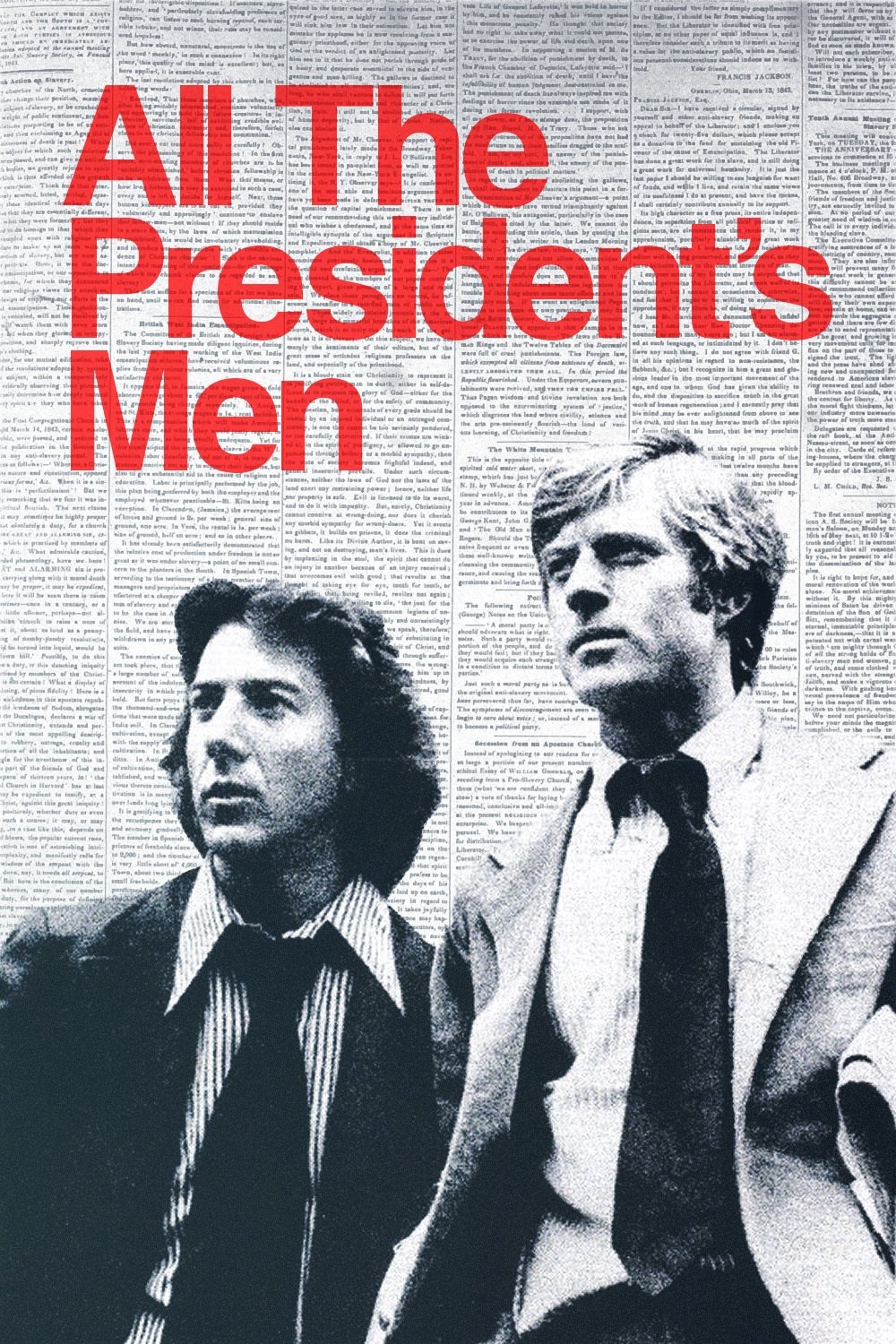
As soon as I sat down to watch All the President’s Men, I had an immediate sense that the world I was entering was not a work of pure imagination, but one firmly tethered to real historical events. I can say with confidence: this film is through-and-through based on true stories. It doesn’t dabble in composite characters or “inspired by” disclaimers; it pulls almost directly from the documented reporting by Bob Woodward and Carl Bernstein about the Watergate scandal. When I encountered the characters and their actions, it became apparent that I was witnessing a direct cinematic representation of the events that ultimately led to the resignation of a sitting U.S. president.
The Real Events or Historical Inspirations
From my research and personal observations, All the President’s Men draws its source almost verbatim from the investigative journalism of the Washington Post reporters Bob Woodward and Carl Bernstein. The film meticulously adapts their 1974 non-fiction book of the same title, recounting their deep dive into the Watergate break-in and the numerous links connecting the burglars to figures within the Nixon administration.
For me, the compelling weight of the story comes from knowing that each frame is a condensed echo of the reporters’ actual lived experience. There is a procedural authenticity that defines the film’s DNA; I could almost feel the crinkle of the newsprint and envision the back hallways and parking garages that became so essential to unraveling the scandal. The core of the movie is built upon real interviews, published articles, audiotaped conversations, court records, and verbatim quotes from real-life figures in Washington politics, from the now-iconic “Deep Throat” informant (later revealed to be Mark Felt) to editorial meetings with the Post’s leadership.
What gives the narrative its tensile strength, at least for me, is the direct linkage to documented fact. There is little creative latitude in the central arc: Woodward and Bernstein’s actual journalistic process—confirming sources, placing phone calls, knocking on doors, even encountering stone-faced refusals from reluctant witnesses. Every beat is sourced from the real tactics these journalists used, much of which can be cross-referenced in archival news stories and the original Watergate reporting housed at the Washington Post. Their process wasn’t recast as something more cinematic or bold, but instead, the filmmakers stayed very close to the subdued, incremental uncovering of the truth, which defined the actual reporting between 1972 and 1974.
I’ve always been fascinated by how the filmmakers leaned on congressional hearings, investigative documents, and the exact language used in major public revelations. When I read the opening sequences or recognize certain phone calls in the film, I can easily trace them back to meticulously cited articles of the era. It makes the viewing experience feel less like fiction and more like a lens trained on recent history, bringing the Watergate saga right into the nervous system of the audience.
What Was Changed or Dramatized
That being said, my experience analyzing adaptations of true stories attunes me to differences between reality and cinematic storytelling. All the President’s Men, while rooted in accuracy, certainly takes some license, mainly for the sake of pacing, cohesion, and emotional resonance. For example, I noticed that the portrayal of the reporting process is streamlined—days of digging and months of uncertainty are condensed into sequences that can play out in a few tense, gripping minutes. Conversations that may have evolved over repeated investigations or cautious deliberations are sometimes merged, with facts revealed more rapidly than they were in real life. This isn’t an unusual practice in dramatization, and here, it made the investigation comprehensible and compelling in a two-hour format, but I am aware that it shifts the sense of time compared to the painstaking week-to-week reality in the newsroom.
Another area where creative liberties surface is the film’s depiction of certain sources. I found the scenes involving “Deep Throat”—cloaked in shadow, accompanied by cryptic dialogue and meeting Woodward in parking garages—a bit heightened for dramatic effect. In real reporting, the gravity of these ambiguous conversations was certainly there, but their visual representation in the film relies on noir-inspired tension and moody lighting to convey the secrecy and risk. The identity of Deep Throat remained a closely held secret for decades, so the filmmakers had to navigate these exchanges using the information available at the time, melding fact with evocative imagery to maintain suspense and intrigue.
There is also a necessary simplification of newsroom dynamics and relationships. I’ve noticed that the film often focuses on Woodward and Bernstein as a two-man unit propelled by their editor, Ben Bradlee. In reality, the Watergate reporting involved a larger support network of reporters, editors, legal advisors, and researchers. While these supporting roles are glimpsed, many are subsumed into composite characters or are downplayed to keep the narrative tightly tethered to the main investigative duo. Some hesitations, internal debates, and editorial disagreements are shaped for clarity or impact, rather than mirrored exactly as they unfolded.
And, as often occurs in films based on recent history, the ending is somewhat abrupt. The narrative closes at a moment of journalistic success rather than following the story through Nixon’s full resignation or the lengthy legal proceedings. This truncation shifts the focus from the entire arc of Watergate to a celebration of the reportage that helped expose it, leaving the broader consequences implied rather than shown.
Historical Accuracy Overview
In taking a holistic view, I find All the President’s Men among the most rigorously accurate films derived from recent American history. The real faces, conversations, and chronologies emerge largely as they were, backed up by both the primary book source and extensive corroboration from other journalistic records. Side-by-side comparisons of the actual articles, the transcripts, and the filmed events show a remarkable degree of fidelity; the lines between “based on true story” and “documentary” are sometimes remarkably thin here.
However, there are places where I note significant departures for storytelling efficiency and cohesion. The interviews and revelations feel organic, but as I’ve touched on, the fusion and compression of time can sometimes give the investigation an almost breakneck pace, when the reality was much more incremental and fraught with uncertainty. As a researcher, I’m attuned to the ripple effect of such choices—over-shortening the dark nights of doubt or the repetitive tedium of confirming a single fact slightly alters the psychological palette of the journalistic ordeal.
The depiction of newsroom politics is another area where simplification occurs; the film distills the Washington Post down to a handful of resolute characters. While these figures, such as Ben Bradlee and managing editor Howard Simons, are very real and influential, they represent only the visible tip of the iceberg. Behind the scenes, I know from background reading that legal teams, additional fact-checkers, and late-night copy editors contributed vital backup, but such collective effort is difficult to dramatize meaningfully without diffusing the focus.
Where the film leans most into the cinematic is in its atmospheric choices. The shadowy meetings with Deep Throat, the echoing typewriter keys, and the ever-present threat of surveillance skillfully evoke the era’s paranoia, but are also visual constructs that highlight mood over minute-to-minute veracity. Still, having reviewed interviews with those actually involved—both journalists and subjects of the investigation—the consensus seems to be that the broad arc, the journalistic techniques, and the ethical quandaries are authentically mirrored. The errors that do appear are those required by format, not inattentive recreations.
How Knowing the Facts Affects the Viewing Experience
Delving into the background and recognizing just how tightly the script adheres to the historical record inevitably shapes the way I approach the film with each rewatch. There is a gravitas to the tension when I know these events didn’t need narrative embellishment to be compelling. The cool, methodical progress of the story, the incremental accumulation of details, and the ethical strain on the reporters all strike deeper chords because they reflect not only journalistic ideals, but lived reality. I find myself reflecting on the burden borne by real-world figures, knowing that they were navigating untested waters in real time, without the foresight afforded by hindsight or the protection of fiction.
By recognizing which elements have been condensed or dramatized—the shadowy meetings, the essentially “instantaneous” breakthroughs, the two-man focus—I’m able to bring a more nuanced understanding to the film’s portrayal of investigative journalism. It’s clear to me that the essential truth isn’t compromised, but my appreciation becomes layered; I see the creative decisions not as distortions, but as necessary compromises to maintain clarity and emotional engagement in a limited format. I often think about how the experience for audiences in 1976, many of whom had lived through the televised hearings and daily headlines, would differ from me watching now, armed with decades of retrospection.
There’s a unique kind of tension I feel knowing the depth of documentation behind each scene. Every phone call and half-closed door in the film is more than a story device—it’s a stand-in for actual risk, personal and professional, experienced by the real Woodward and Bernstein. This sense of authenticity enhances the stakes, pushing me to watch less as a detached viewer and more as someone parsing history in real time. The sense of anxiety, secrecy, and potential fallout becomes not only palpable, but relatable, because I know the outcomes truly impacted the highest echelons of government and journalism.
I also find that understanding the deeper complexities behind the Post’s newsroom makes me hyper-aware of how collaborative journalism works. I see the streamlined focus on two leads as both dramatic necessity and as a simplification; it prompts me to mentally reconstruct the broader ecosystem that supported them, from lawyers to desk editors. The resulting film is less about the infallible pursuit of truth by two great men, and more, for me, a meditation on method, diligence, and measured courage—qualities as essential today as they were during Watergate.
Ultimately, knowing the film’s fidelity to fact gives me not just a richer appreciation for the material, but a heightened sense of respect for the real people behind the story. It pushes me to think critically about how history is retold, what gets omitted for clarity, and how every adaptation—no matter how scrupulous—must balance literal truth against narrative coherence. My viewing shifts from simply witnessing drama to contemplating the living history just beneath the surface, inviting a deeper engagement with both the art and its origins.
After learning about the film’s origins, you may want to see how audiences and critics responded.
🎬 Check out today's best-selling movies on Amazon!
View Deals on Amazon