
Is This Film Based on a True Story?
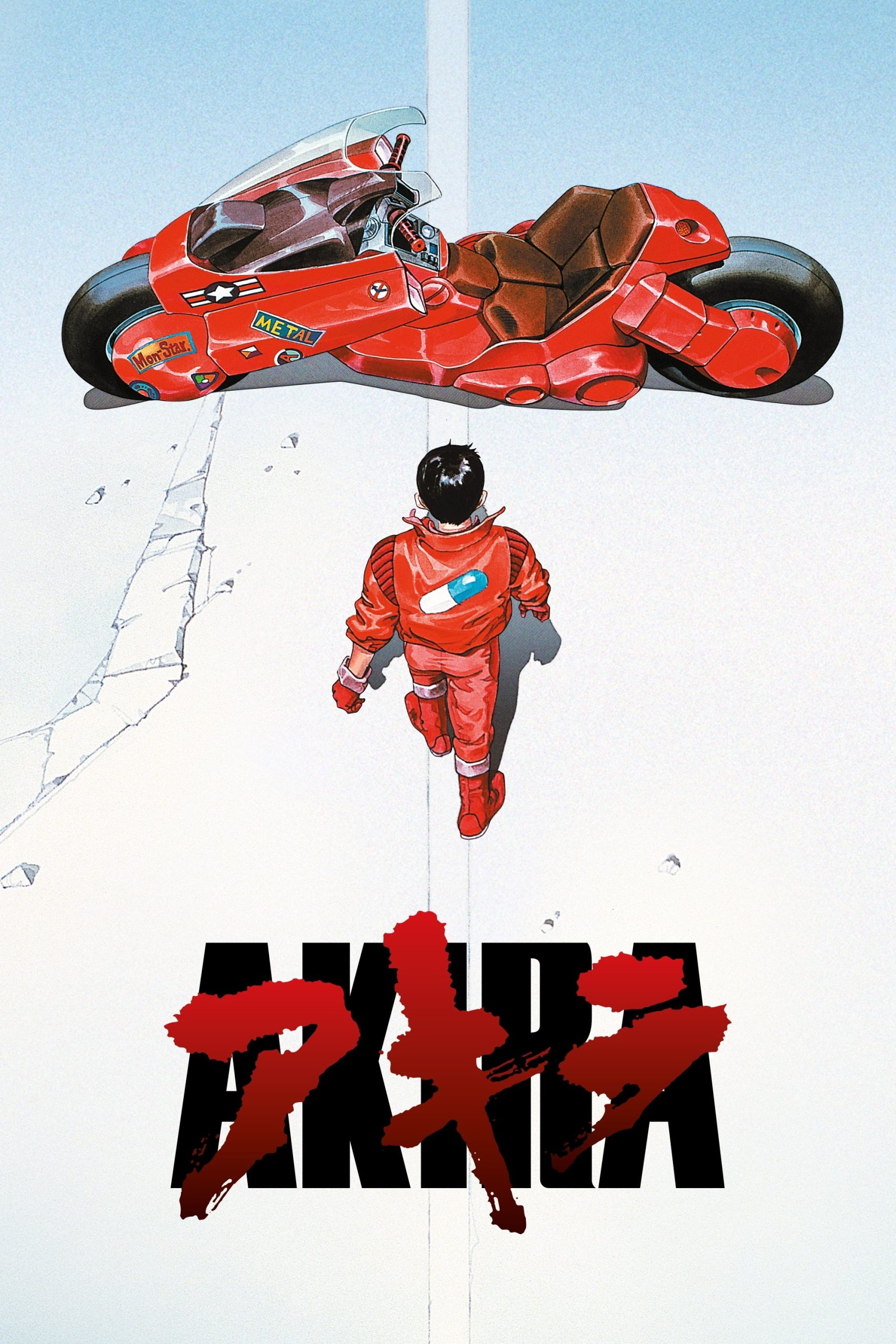
“Akira” (1988) is not based on a true story. The film is entirely fictional, originating from a manga series created by Katsuhiro Otomo, who also directed the film adaptation. Although the movie incorporates references to real historical and cultural themes present in Japan, particularly those related to postwar anxieties and nuclear devastation, none of its main plot events, settings, or characters are drawn from actual historical events or real people.
The Real Events or Historical Inspirations
While “Akira” does not adapt any particular true story, it draws inspiration from broad historical and sociopolitical realities facing Japan in the post-World War II era. The most significant influences include:
- Postwar Japan: The landscape and emotional tone of Neo-Tokyo are informed by Japan’s experience in the wake of World War II. The destruction depicted in the film echoes the devastation following the atomic bombings of Hiroshima and Nagasaki in 1945. The city’s reconstruction, unrest, and latent anxieties reflect the real urban and social transformation Japan underwent during the late 20th century.
- Cold War and Nuclear Fears: The film’s narrative is steeped in the global atmosphere of nuclear apprehension that characterized the Cold War era. The catastrophic explosion that destroys Tokyo at the movie’s beginning is visually and thematically similar to a nuclear detonation, invoking collective memories of nuclear trauma.
- Student Movements and Social Unrest: “Akira” portrays widespread protests, government crackdowns, and youth subcultures. These elements are reminiscent of actual student protests and left-wing movements in Japan during the 1960s and 1970s, including notable events such as the 1960 Anpo protests against the US-Japan Security Treaty and the activities of radical student groups.
- Urbanization and Technological Advancement: The futuristic setting of Neo-Tokyo comments on Japan’s rapid technological and economic growth in the latter half of the 20th century. Concerns about the social consequences of high-speed modernization are evident in the story’s depiction of urban sprawl, societal alienation, and governmental overreach.
- Manga Source Material: The film is directly adapted from Katsuhiro Otomo’s manga series “Akira,” serialized from 1982 to 1990. While the manga itself is not rooted in specific real-life events or individuals, it channels the sociocultural atmosphere of its time period.
What Was Changed or Dramatized
“Akira” operates entirely within a speculative fiction framework, meaning that much of its content is imagined or dramatically exaggerated for narrative effect. Key dramatizations and invented elements include:
- Fictional Setting: Neo-Tokyo is a wholly invented metropolis, built atop the ruins of a destroyed Tokyo. Neither the apocalyptic destruction nor the hyper-urbanized reconstruction depicted has an exact historical counterpart.
- Psychic Powers and Science Fiction Concepts: Central to the plot is the emergence of children with vast psychic abilities, leading to catastrophic events. No historical incidents or reliable records exist of such phenomena, which are included solely for storytelling purposes.
- Government Conspiracies and Secret Experiments: The film features clandestine military projects and genetic experiments leading to unintended disaster. While Japan’s history includes controversial scientific and military programs, the specific events in “Akira” are inventions for dramatic impact, not direct adaptations of real operations.
- Condensed Manga Plot: The movie covers only a portion of the original manga’s much broader narrative, condensing and altering plotlines and character arcs for cinematic pacing and clarity. Some characters and subplots from the manga were omitted or changed in the film.
- Visual Allegory: Many of the film’s most striking visual moments—such as citywide destruction and surreal psychic phenomena—are exaggerated or stylized to convey mood and theme, not to depict literal past events.
Historical Accuracy Overview
“Akira” does not strive for historical accuracy regarding specific real-world events. Its depiction of a catastrophic explosion in Tokyo, charismatic revolutionary movements, and dystopian governmental systems are not literal recreations of Japanese history. However, the film is widely acknowledged for its powerful evocation of genuine cultural and societal anxieties from the late 20th century.
Many of the film’s thematic elements—such as atomic fear, generational disillusionment, and rapid urbanization—align with historical realities or collective sentiments in Japan following World War II. Critics and scholars often highlight the authenticity of its mood, tone, and allegorical references, though the mechanics of its story remain within the realm of speculative fiction.
No characters, organizations, or incidents in “Akira” are based directly on factual accounts. The film’s science-fiction framework and narrative choices intentionally separate it from the realm of documentary or biographical storytelling, favoring metaphorical representation. Its portrayal of police, protestors, and institutional power sometimes draws loosely from real events but is dramatized for effect rather than accuracy.
How Knowing the Facts Affects the Viewing Experience
Understanding the factual origins—or in this case, the absence of direct factual origins—of “Akira” can provide valuable context for audiences. Recognizing that the film’s story is not based on actual events allows viewers to focus on its thematic and allegorical layers rather than searching for literal historical parallels.
For those informed about Japanese history, especially the postwar era and the decades of rapid change, the film’s setting and societal dynamics may resonate as familiar echoes rather than documentation. Elements such as government mistrust, mass demonstrations, and the threat of unstoppable destruction gain additional significance when viewed through the lens of Japan’s recent past, even while the core plot remains an imagined construct.
Viewers may also appreciate the film’s creative responses to collective anxieties, such as the psychic children symbolizing unforeseen consequences of progress or the powerful destructive forces representing nuclear trauma. In this way, knowledge of historical background enriches the experience by highlighting the layered symbolism and emotional authenticity of the film, rather than anchoring it to specific factual events.
Ultimately, understanding the origins of “Akira” positions it within the category of cultural commentary through fiction, making its vision of Neo-Tokyo both a unique story and a reflection of real-world anxieties prevalent during its creation.
After learning about the film’s origins, you may want to see how audiences and critics responded.
🎬 Check out today's best-selling movies on Amazon!
View Deals on Amazon