
Is This Film Based on a True Story?
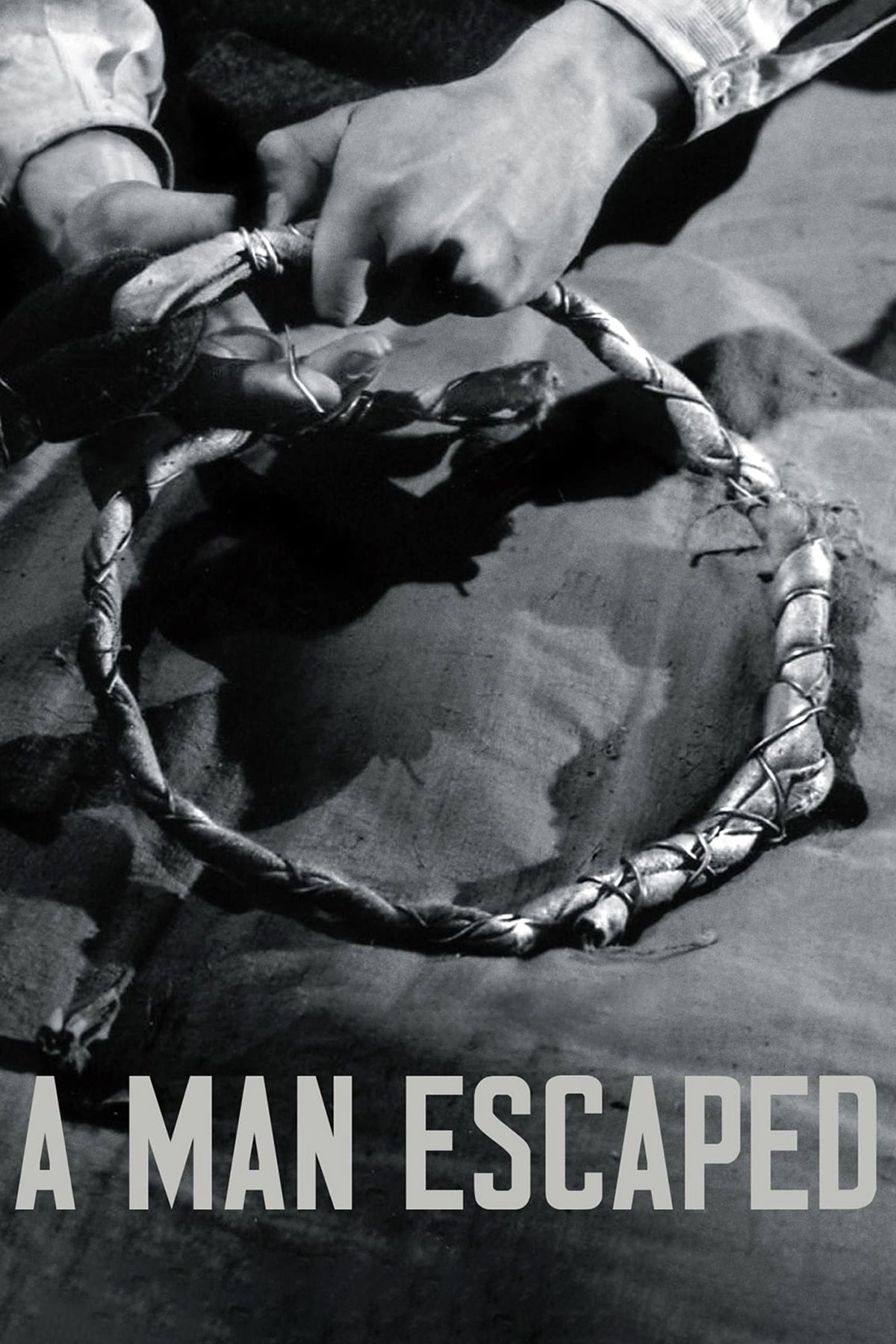
“A Man Escaped,” released in 1956, is based on true events. The film specifically draws from the real-life experiences of André Devigny, a French Resistance fighter during World War II. The story closely follows Devigny’s account of his escape from Montluc Prison, making the film a historically anchored portrayal rather than a fictional or loosely inspired narrative.
The Real Events or Historical Inspirations
The central inspiration for “A Man Escaped” is the memoir “Un condamné à mort s’est échappé” (“A Man Condemned to Death Has Escaped”) written by André Devigny. Devigny was a lieutenant in the French Army who joined the Resistance and was later arrested by the Gestapo in 1943. He was subsequently imprisoned in Montluc Prison in Lyon, France. Facing execution, Devigny planned and executed a daring escape, which became the primary source material for the film.
Director Robert Bresson acquired the rights to Devigny’s memoir, and with Devigny’s cooperation, based the screenplay almost entirely on the detailed, firsthand account of the escape. The film recreates many specifics: the setting of Montluc Prison, conditions of confinement, and the methods Devigny used to break free. While Devigny’s escape is the only such successful breakout documented from that prison during the German occupation, the broader context of French Resistance efforts and prisoner escapes during World War II serves as the historical backdrop.
Bresson, himself a former prisoner of war, aimed for a high degree of realism by consulting Devigny and referencing his notes and maps. In addition to personal testimony, Bresson investigated prison layouts and routines, reinforcing the factual basis of the depiction. The character of Fontaine in the film is directly modeled on Devigny.
What Was Changed or Dramatized
While “A Man Escaped” hews closely to André Devigny’s personal experience, several elements were altered or dramatized to suit narrative requirements and cinematic constraints:
- Names and Identities: The protagonist is named Fontaine in the film, rather than Devigny. Other minor characters are also composites or given pseudonyms.
- Character Relationships: Relationships between prisoners and guards, as well as between cellmates, are streamlined or condensed. Some personalities are amalgamations of several real individuals mentioned in Devigny’s memoir.
- Simplification of Events: The logistics of the escape, though meticulously recreated, are simplified for pacing. For example, certain repetitive actions are condensed into single scenes, and some details of how Devigny strategized with tools or adapted to obstacles are presented more efficiently in the film than in the memoir’s step-by-step narrative.
- Omitted Biographical Detail: The film focuses almost exclusively on the period of imprisonment and escape, leaving out biographical information about Devigny’s life prior to arrest and subsequent events following his liberation.
- Dramatic Tension: Some elements are heightened to sustain suspense, such as Fontaine’s uncertainty about the loyalty of fellow prisoner Jost. In reality, Devigny did harbor concerns, though the film increases ambiguity for dramatic effect.
Historical Accuracy Overview
Historical assessments of “A Man Escaped” generally recognize its substantial fidelity to the documented events of André Devigny’s escape. The methods of concealment, the improvised tools, and timing of the escape sequence align with Devigny’s own descriptions and official war records. The spatial arrangement of Montluc Prison and the procedures followed by both prisoners and guards are considered authentically rendered, thanks to Bresson’s sourcing and research.
However, the alteration of names and the creation of composite characters mean that supporting individuals are not always accurate representations of specific historical persons. The timeline and pacing, while accurate in order, are condensed in comparison to the actual durations described by Devigny. Certain psychological elements—Fontaine’s inner thoughts and moral dilemmas—are emphasized to reflect the introspective tone of the memoir, but reviewers note these are dramatized for the audience’s comprehension.
No substantial historical evidence suggests deviation from the basic facts of the escape, and the portrayal of the oppressive conditions at Montluc is supported by survivor testimonies and archival research regarding French Resistance prisoners held by the Gestapo. The choice to omit broader war context or subsequent outcomes focuses the narrative tightly on the experience of captivity and escape, reinforcing factual specificity at the expense of wider historical context.
How Knowing the Facts Affects the Viewing Experience
Understanding the factual origins of “A Man Escaped” allows viewers to approach the film with deeper appreciation for its realism and authenticity. Recognizing that the events are drawn directly from André Devigny’s own account encourages a reading of the film not just as a suspenseful escape drama, but as a record of individual resistance and survival during World War II.
Viewers informed about the true story may note the restraint in cinematic technique—such as naturalistic performances and the understated use of music—as reflective of a commitment to accuracy rather than artistic embellishment. The tension and procedural details gain added significance, knowing they are not simply constructed for entertainment but are based on actions that determined real-life outcomes.
Conversely, awareness of minor fictionalizations, such as altered names and condensed character arcs, supports a nuanced interpretation of the film’s depiction of solidarity, suspicion, and resourcefulness among prisoners. Rather than diminishing the emotional impact, understanding these creative choices can enhance appreciation for the film’s effort to convey a collective historical reality through a selective personal lens.
Finally, knowledge of the film’s documentary origins may influence audience expectations, inviting attention to the methods and mechanics of escape, and prompting viewers to reflect on the historical circumstances of occupied France and the experiences of resistance fighters. As a result, factual background enriches both the suspense and the ethical questions posed by the characters’ plight and actions.
🎬 Check out today's best-selling movies on Amazon!
View Deals on Amazon