
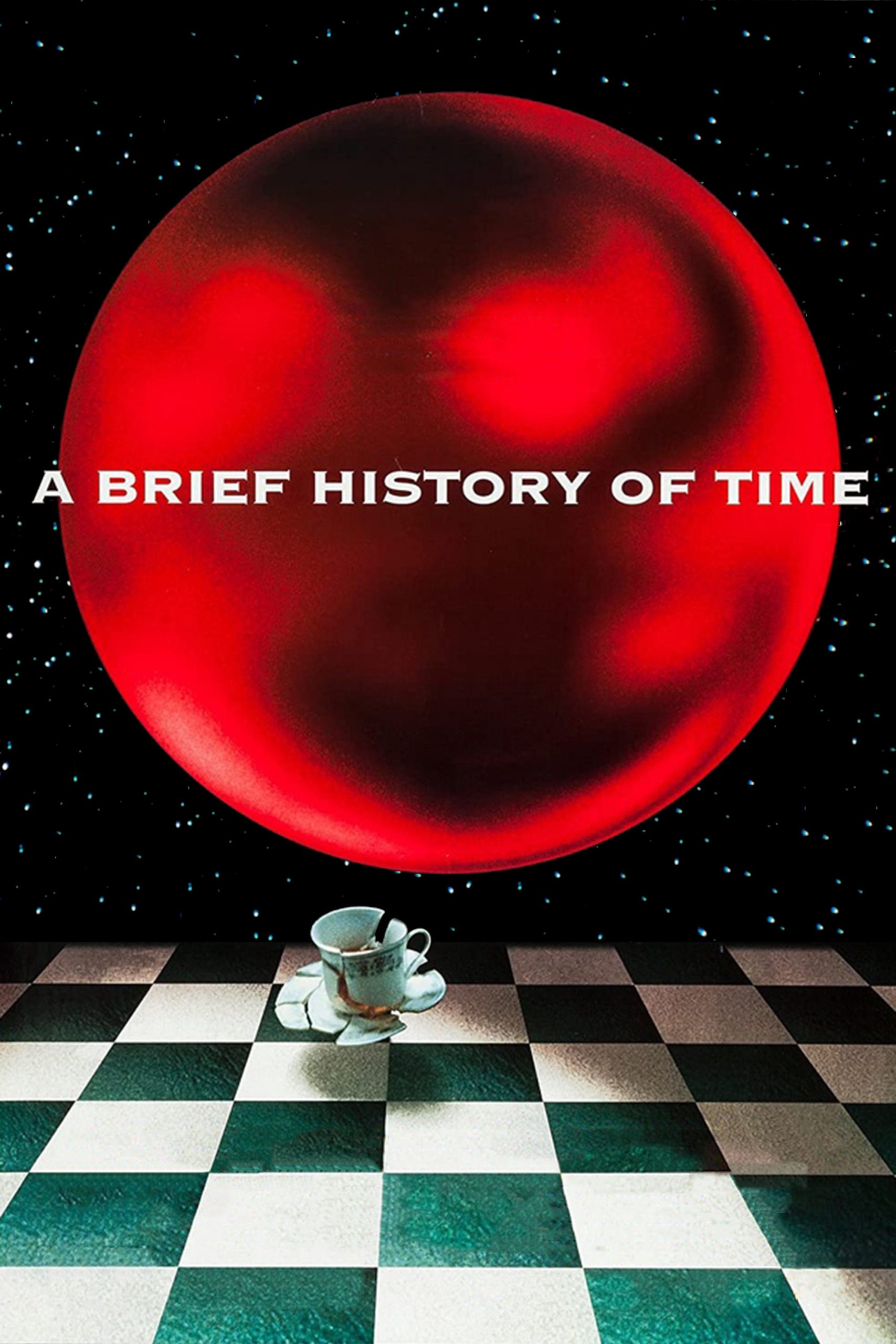
Is This Film Based on a True Story?
“A Brief History of Time” (1991) is based on real events and real people. The film is not fictional; it is a documentary that draws directly from the life and work of physicist Stephen Hawking, as well as his internationally renowned book of the same name. The events, interviews, and scientific explanations within the film are rooted in factual history and scientific research.
The Real Events or Historical Inspirations
The primary source material for “A Brief History of Time” is Stephen Hawking’s 1988 popular science book, “A Brief History of Time: From the Big Bang to Black Holes.” This book explores complex topics in cosmology, such as black holes, the nature of time, the origins and fate of the universe, and the laws of physics. The documentary also draws heavily on Hawking’s personal biography, including his experiences living with amyotrophic lateral sclerosis (ALS), his academic career at Cambridge, and his significant contributions to theoretical physics.
The film incorporates interviews with Stephen Hawking himself, as well as his family members, colleagues, and friends. These participants share personal stories, recollections, and perspectives on both his scientific legacy and daily life. Archival images, home videos, and dramatized reconstructions are also included to illustrate key episodes from Hawking’s life and scientific milestones.
Director Errol Morris, known for his distinctive documentary style, combines these biographical elements with explanations of scientific concepts, blending personal narrative with science communication. The documentary also incorporates direct quotations and insights from Hawking’s writings and lectures, using them as a narrative foundation and source of factual accuracy.
What Was Changed or Dramatized
While “A Brief History of Time” is a documentary, certain elements are shaped for dramatic and narrative effect. The following are notable aspects that differ from a purely straightforward historical record:
- Reenactments: The film includes dramatized reconstructions of moments from Hawking’s early life, such as his childhood and initial experiences with ALS. These scenes use actors and staged visuals to illustrate events for which archival footage does not exist, a common technique in documentary filmmaking to provide visual context and emotional resonance.
- Simplification of Scientific Content: To make complex ideas accessible to general audiences, some of Hawking’s scientific explanations are abbreviated or framed using analogies and visual aids, rather than presenting dense, technical details. This involves selecting certain theories and omitting others for clarity and pacing.
- Structure and Thematic Focus: The documentary interweaves Hawking’s scientific achievements with his personal story, often using thematic juxtapositions to highlight connections between his work and his experiences with disability. This approach, while rooted in real events, involves editorial choices about what to emphasize and how to present Hawking’s journey thematically.
It is important to note that, as a documentary, the film does not fabricate events or invent fictional characters. All interviewees are real individuals associated with Hawking, and the science is presented in accordance with established research, albeit with some necessary simplifications.
Historical Accuracy Overview
When considering the historical accuracy of “A Brief History of Time,” the majority of its content aligns closely with established facts and documented history:
- Biographical Details: Descriptions of Stephen Hawking’s diagnosis with ALS, his academic background at Oxford and Cambridge, and his rise to prominence in the scientific community are grounded in verifiable records and personal testimonies.
- Scientific Content: The documentary faithfully presents Hawking’s work on black holes, cosmology, quantum mechanics, and the nature of time. While some of these theories have evolved with new findings since 1991, the explanations given in the film reflect the current understanding at the time of release.
- Personal Perspectives: Interviews with Hawking’s relatives, colleagues, and caregivers provide authentic first-hand accounts, corroborated by other sources such as biographies and scientific profiles.
- Dramatic Elements: Dramatizations and reenactments are based on actual events but may be condensed or stylized for cinematic reasons. These sequences are not intended to mislead but to visually represent periods of Hawking’s early life for which no photographs or video exist.
Overall, “A Brief History of Time” is regarded by historians of science and film scholars as a reliable and informative account of Stephen Hawking’s life and achievements during the period in question. The documentary does not introduce major fictional elements or speculative events.
How Knowing the Facts Affects the Viewing Experience
Understanding the factual basis of “A Brief History of Time” can profoundly shape audience expectations and interpretations. Recognizing that the film features direct input from Stephen Hawking and those who knew him provides credibility and emotional resonance to the narrative. Audiences can trust that the milestones depicted—both scientific and personal—reflect reality rather than fictional invention.
For viewers interested in the history of science, knowing that the documentary traces real advances in theoretical physics allows for a deeper appreciation of both the complexity of Hawking’s work and the significance of his public communication efforts. The film functions not only as a portrait of a scientist but also as an accessible introduction to the scientific concepts that defined late 20th-century cosmology.
Moreover, awareness of which elements have been dramatized or stylized encourages viewers to distinguish between factual reconstruction and narrative embellishment. Reenacted sequences should be seen as illustrative rather than literal documentation. However, these segments are still rooted in Hawking’s biography, lending them authenticity even as they employ dramatic presentation.
For those familiar with Hawking’s life from biographies, news reports, or his own writings, the film offers a visual and auditory dimension to his story, reinforcing established facts while making the abstract more tangible. For new audiences, knowing that the film is based on true events can prompt further exploration of Hawking’s book, scientific papers, or related documentaries.
In summary, “A Brief History of Time” offers a factual, evidence-based depiction of Stephen Hawking’s life and theories, shaped by documentary conventions but anchored in real events and scholarship. Being aware of this factual foundation enhances viewers’ understanding of the film and ultimately strengthens its value as a historical and educational resource.
🎬 Check out today's best-selling movies on Amazon!
View Deals on Amazon