
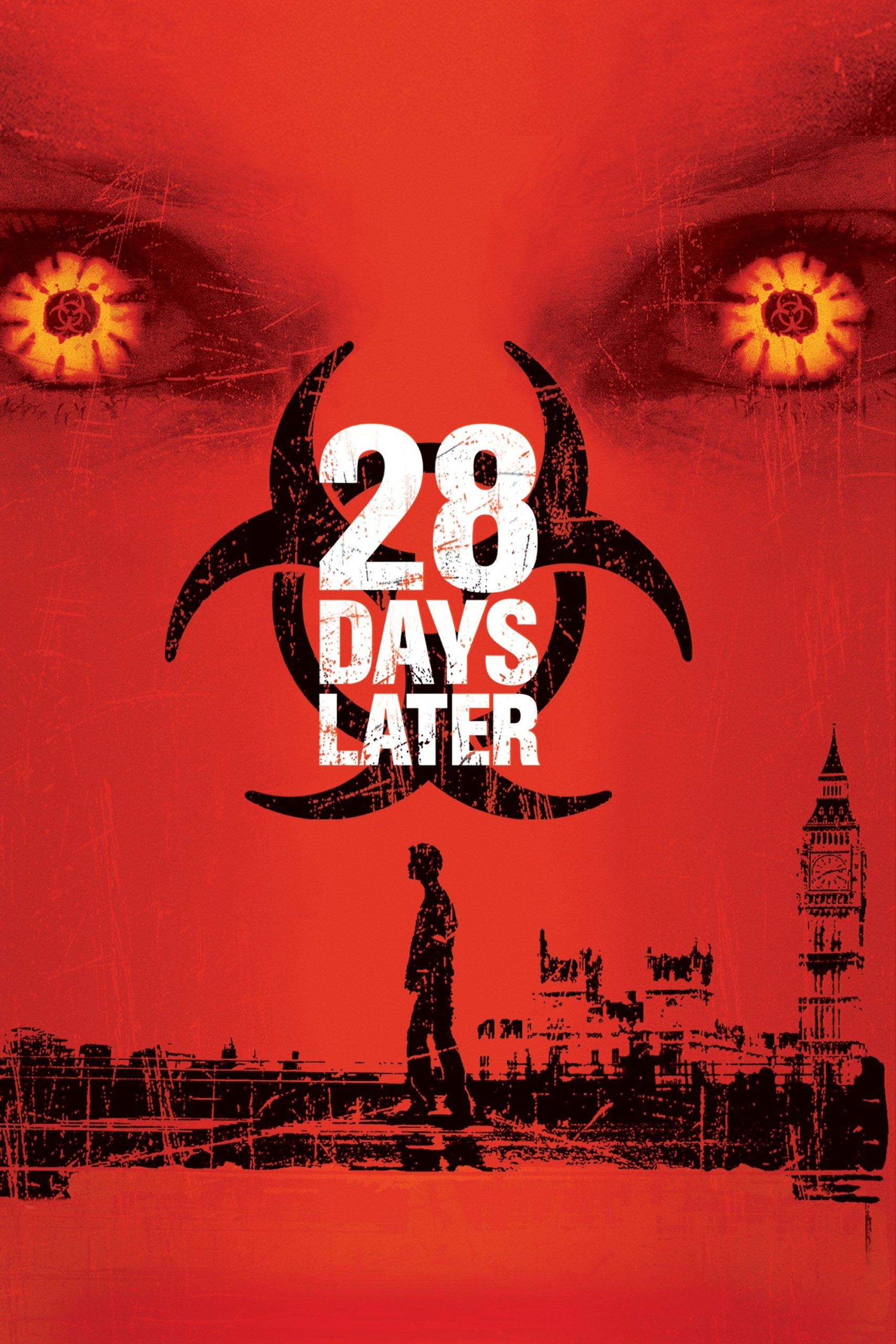
The Question of Truth Behind the Film
Films set in worlds upended by disaster, like “28 Days Later” (2002), invariably prompt audiences to ask whether what unfolds on screen draws from actual events or is born entirely from imagination. This question reflects a deep-seated curiosity about the connection between storytelling and reality. When viewers wonder if a film is based on a true story, they are often seeking grounding—a way to situate themselves within the narrative by understanding its relationship to factual events. Underlying this impulse is the assumption that stories marked as “true” carry a different kind of emotional and intellectual weight. The notion that a film recreates, rather than invents, its subject matter can result in heightened engagement, as audiences approach it with the intention of learning about the world, not just escaping it. This desire for authenticity can shape expectations regarding accuracy, tone, and even the plausibility of the events depicted. Conversely, the absence of such a label may incline viewers to treat the film as a metaphorical or speculative exercise, freeing it from the constraints typically associated with historical retellings. The recurring question about a film’s factual basis highlights the cultural significance attributed to authenticity, as well as a belief that stories are more resonant when they are, at least partially, true.
Historical Facts and Cinematic Interpretation
“28 Days Later” is structured as a post-apocalyptic horror film set in a contemporary version of Britain ravaged by a devastating viral outbreak. While its plot is not based on any single historical event or documented outbreak, the narrative is deeply rooted in collective anxieties that surface repeatedly in recent history. The fear of rapidly spreading disease has been foregrounded by outbreaks such as Ebola, SARS, and Mad Cow Disease, all topics of intense public discourse in the years preceding the film’s release. Filmmakers did not directly translate any specific outbreak to the screen, but instead drew inspiration from the atmosphere of uncertainty and unease that surrounded these real health crises. For instance, the depiction of viral transmission, marked by moments of panic, institutional collapse, and mass evacuation, mirrors news coverage and governmental responses seen in genuine pandemics, albeit with dramatic exaggeration. Scientific language, such as references to virology and quarantine, ground the narrative in recognizable procedures and fears, even though the “Rage” virus itself is entirely fictional. Cinematic interpretation thus revolves around abstraction and condensation; the broad realities of epidemic response, civil unrest, and societal fragility are reimagined and heightened, reshaping events for immediate and concentrated dramatic impact. The filmmakers leverage visual iconography—deserted London streets, hazmat suits, television broadcasts—to conjure a sense of plausibility, evoking the emotional truth of collective crisis without anchoring the film to a verifiable sequence of events.
What Changes When Reality Is Shaped for Cinema
As elements drawn from the real world are translated into cinematic language, a number of trade-offs become inevitable. The complexity of societal response to epidemic events is often reduced in order to maintain narrative momentum and clarity. In “28 Days Later,” the rapid disintegration of order transpires over a matter of days, encapsulating what, in genuine outbreaks, might unfold over weeks, months, or years. This compression serves a dual purpose: it fosters rising tension and heightens dramatic stakes, even as it distances the story from the gradual, contingency-laden pace of actual events. Further, behavior patterns and ethical debates present in real responses to contagion—political deliberation, logistical failures, evolving scientific understanding—are selectively depicted or amalgamated into composite characters and moments. Scientific accuracy also yields to dramatic necessity; the mechanics of the “Rage” virus are simplified, emphasizing immediate and visual transformation to reinforce the film’s kinetic horror, instead of exploring plausible epidemiology. The choices in costuming, cityscapes, and news media embedded throughout the film function as shorthand, cultivating a familiar atmosphere, but leaving aside less visually evocative realities such as bureaucracy or routine public health communication. This deliberate shaping amplifies emotional engagement and situational urgency, often at the expense of granular or ambiguous truths, illustrating the general pattern by which cinema privileges coherent, persuasive arcs over comprehensive reenactment.
Audience Expectations and the “True Story” Label
The presentation of a film as factual, suggested by phrases like “based on real events,” actively frames how audiences process and interpret what they see. When viewers believe that they are witnessing representations of true events, they may approach the film with an analytical mindset, scrutinizing details for documentary accuracy, or searching for larger lessons about human nature or history. A film like “28 Days Later,” absent such a label, invites engagement primarily through speculative empathy and symbolic resonance, rather than as a direct conduit to factual events. The absence of a claim to truthfulness directs attention to thematic exploration: viewers are free to interpret the narrative as a meditation on fear, survival, or community, rather than as a dramatized account of something that actually occurred. For some, this can reduce the burden of expectation around realism; for others, it may circumscribe the emotional reach of the film, presenting it as entertainment or allegory rather than testimony. Yet, the strategic invocation of real-world issues—broadcast montages, scientific terminology—can blur these boundaries, momentarily suspending disbelief and fostering identification with the characters’ predicament. This response highlights the spectrum of reception that exists between fact-based and fictional films. When stories hover somewhere between reality and invention, audiences may experience a fluctuating sense of immersion, guided in part by the cues furnished by the filmmakers and the cultural context surrounding the film’s release.
Final Perspective on Fact vs Fiction
Ultimately, the distinction between fact and fiction in films such as “28 Days Later” can play a significant role in shaping interpretation, even when the narrative is not strictly tethered to history. Awareness of what has been invented versus what is rooted in real experience can color how audiences assign meaning and emotional weight to a story. For some viewers, recognizing the film as a creative amplification of contemporary fears—rather than a literal retelling of past events—facilitates a focus on metaphor and atmosphere, allowing for a flexible engagement with the story’s ideas. For others, apparent authenticity in the depiction of crisis can foster empathy and reflection, regardless of whether the scenario is actually possible. The process of adaptation, wherein fragments of reality are heightened, compressed, or recombined for cinematic effect, underscores the dynamic relationship between storytelling and truth. Rather than establishing a binary distinction, the interplay between factuality and invention enriches the interpretive experience, allowing audiences to navigate the narrative according to their own curiosity, expectations, and need for relevance. In this way, knowledge of a film’s relationship to real events informs but does not dictate the range of meanings available to its audience, emphasizing the enduring potential of cinema to both reflect and reimagine the world.
🎬 Check out today's best-selling movies on Amazon!
View Deals on Amazon