
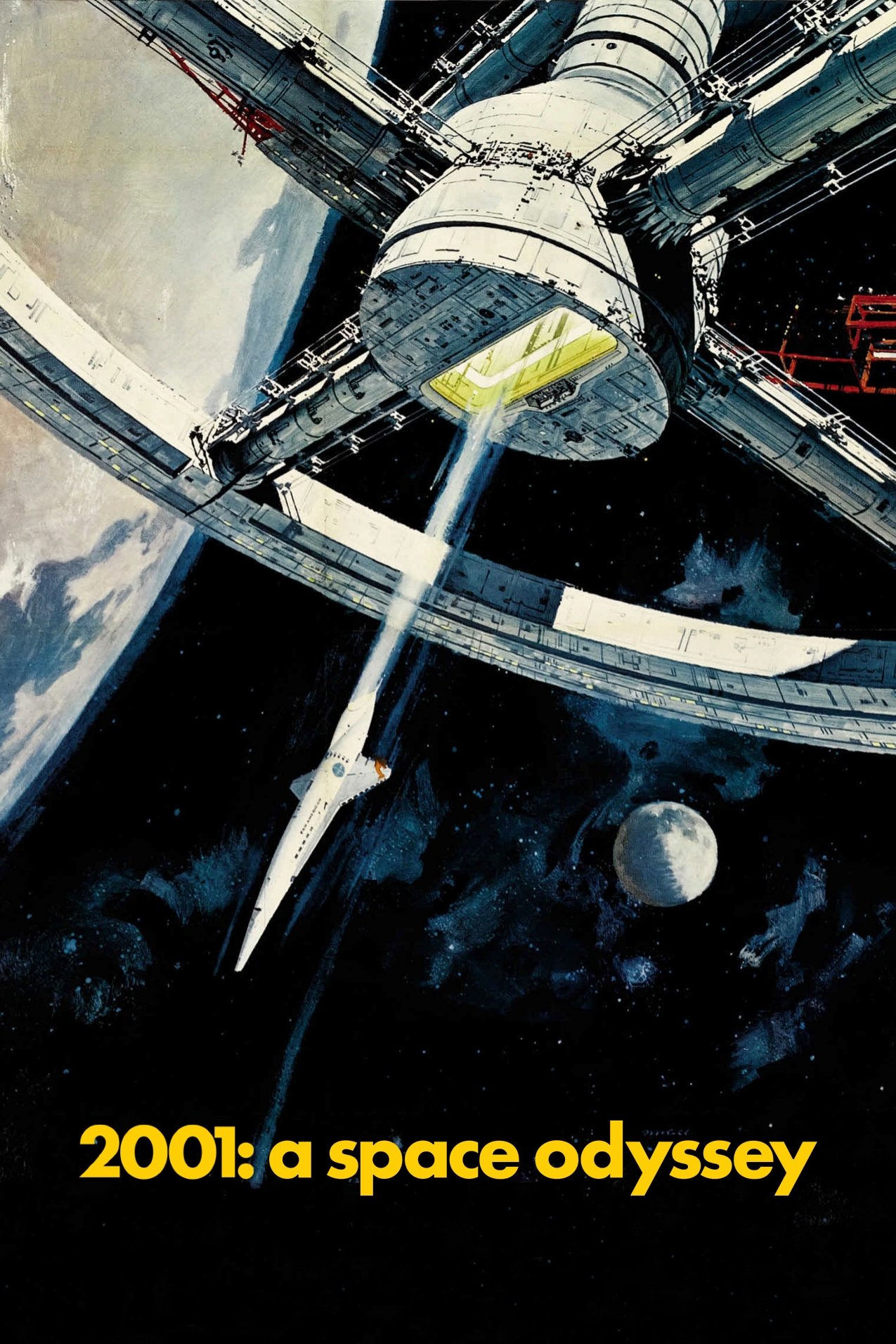
Is This Film Based on a True Story?
2001: A Space Odyssey is not based on real events or a true story. The film, released in 1968 and directed by Stanley Kubrick, is a work of science fiction that presents a speculative vision of humanity’s evolutionary future and space exploration. While the narrative incorporates scientific concepts and imagines plausible technologies, it is entirely fictional and does not purport to depict actual occurrences or individuals.
The Real Events or Historical Inspirations
The foundation of 2001: A Space Odyssey is derived from the collaborative work of filmmaker Stanley Kubrick and science fiction author Arthur C. Clarke. The film was developed in tandem with Clarke’s novel of the same name, but neither version is rooted in real-life events, people, or existing historical documents. The primary inspiration was Clarke’s earlier short story “The Sentinel,” which explores the concept of extraterrestrial influence on humanity’s development.
Although the film is a product of fiction, it draws upon the scientific understanding and technological aspirations of its time. During the 1960s, the United States and the Soviet Union were heavily investing in space exploration, culminating in the Apollo missions and eventual lunar landing in 1969. The film’s depiction of space travel, satellites, and life aboard spacecraft was influenced by ongoing conversations with NASA experts, scientists, and aerospace engineers. Technical advisors working on the project included individuals affiliated with space and aeronautics, ensuring a degree of plausibility in the representation of future technologies. Kubrick and Clarke consulted scientific literature and experts like Frederick I. Ordway III, a NASA scientist, to envision possible advancements such as artificial intelligence, space stations, and long-distance spaceflight.
Moreover, the film’s philosophical themes regarding human evolution, technology, and extraterrestrial life parallel ongoing debates in anthropology, evolutionary biology, and cosmology. However, these themes serve more as intellectual inspiration than representations of particular real-world discoveries or events.
What Was Changed or Dramatized
The development of 2001: A Space Odyssey involved significant dramatic embellishment and artistic invention. Virtually all characters, events, and settings are original creations, constructed to support the film’s speculative narrative. Throughout the film, several key elements have been fictionalized or exaggerated for dramatic effect:
- Extraterrestrial Monoliths: The movie’s central plot device is an alien monolith that influences humanity’s evolution and technological progress. There is no evidence, either archaeological or scientific, to support the idea that extraterrestrial entities have intervened in human development as depicted in the film.
- Artificial Intelligence: The film’s HAL 9000, an advanced AI with human-like reasoning and self-preservation instincts, is far ahead of the real-world capabilities of computers in the 1960s or even today. The development, autonomy, and dramatic malfunction of HAL are speculative and devised to explore conceptual questions about trust and consciousness in machines.
- Space Travel: The film depicts routine commercial flights to space, a permanent space station with artificial gravity, and manned missions to Jupiter. As of the film’s release and well into subsequent decades, such achievements remained out of reach for humanity. The scale and sophistication of technology shown greatly surpass what existed in the 1960s space programs.
- Stargate Sequence: The psychedelic and visually elaborate “stargate” sequence at the film’s climax, along with the transformation of astronaut Dave Bowman, introduces highly imaginative and abstract elements. These are intended to be metaphoric or symbolic rather than literal representations of any known scientific phenomenon.
- Non-Human Intervention in Human Evolution: The suggestion that an advanced alien intelligence has guided or spurred hominid evolution is not supported by scientific evidence and serves as a narrative device originating from Clarke’s fiction.
Historical Accuracy Overview
2001: A Space Odyssey is recognized for its attention to scientific detail within the framework of speculative fiction, especially regarding space physics and the depiction of orbital mechanics. Kubrick’s production team consulted experts to create plausible visualizations of space travel, including the effects of weightlessness, the design of spacecraft interiors, and the appearance of floating objects in zero gravity. Many professionals in the aerospace field have commended the film’s technical accuracy in portraying silent motion in space, gradual acceleration and deceleration, and artificial gravity through centripetal force, as seen in the rotating space station.
However, the primary narrative elements—the existence of advanced extraterrestrials, the sudden leap in intelligence spurred by alien artifacts, the sentient HAL 9000 AI, and the specifics of interplanetary travel—are fictional and not supported by any historical record or empirical evidence. The film extrapolates from mid-20th-century technological trends but projects them into an imagined future that remains unrealized. For instance, passenger flights to the Moon and regular manned missions to Jupiter are not part of actual human space history.
In summary, technical details regarding vehicles, space stations, and orbital mechanics are depicted with much greater attempt at verisimilitude compared to other films of the era. The broader plot and philosophical themes, however, are speculative and intentionally ambiguous, drawing on creative conjecture rather than historical fact.
How Knowing the Facts Affects the Viewing Experience
Understanding the factual and fictional roots of 2001: A Space Odyssey can shape an audience’s approach to the film. Those familiar with the history of space exploration, artificial intelligence, and evolutionary science may recognize the film’s reliance on contemporary knowledge of the 1960s and its projection of possible futures. This awareness can deepen appreciation for the film’s technical achievements as well as its imaginative reach, highlighting how it anticipated or diverged from later scientific developments.
Recognizing that the story is not based on real events helps set appropriate expectations regarding plausibility and prompts viewers to focus on the speculative, philosophical, and metaphorical aspects of the narrative. Rather than interpreting the plot points as predictions of technological or scientific progress, audiences may better appreciate the film as a meditation on humanity’s place in the universe, the potential of technology, and the enduring mysteries surrounding life beyond Earth.
The knowledge that no actual monoliths, alien encounters, or comparable breakthroughs in artificial intelligence have occurred underscores the film’s role as a visionary work of speculative fiction. As such, it invites reflection more than literal belief, fostering a sense of wonder and inquiry rather than a retelling of historical fact. In summary, knowing the distinctions between factual foundations and imaginative storytelling helps viewers engage with the film on its intended terms—as an influential piece of science fiction art that explores questions about human destiny, technological evolution, and the unknown frontiers of space.
🎬 Check out today's best-selling movies on Amazon!
View Deals on Amazon